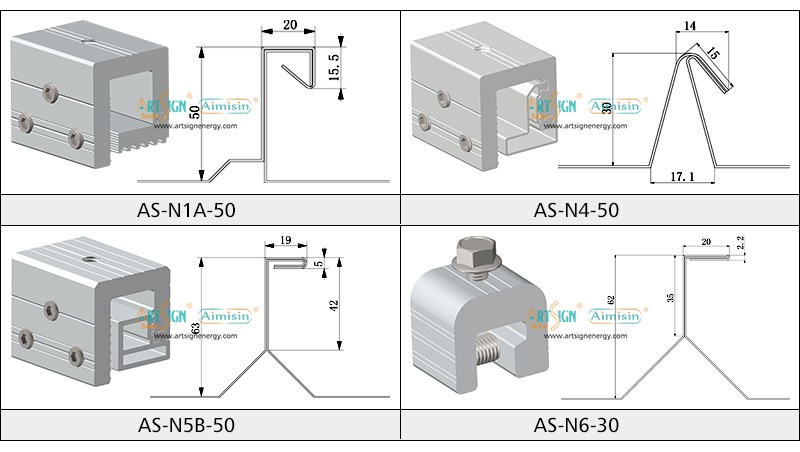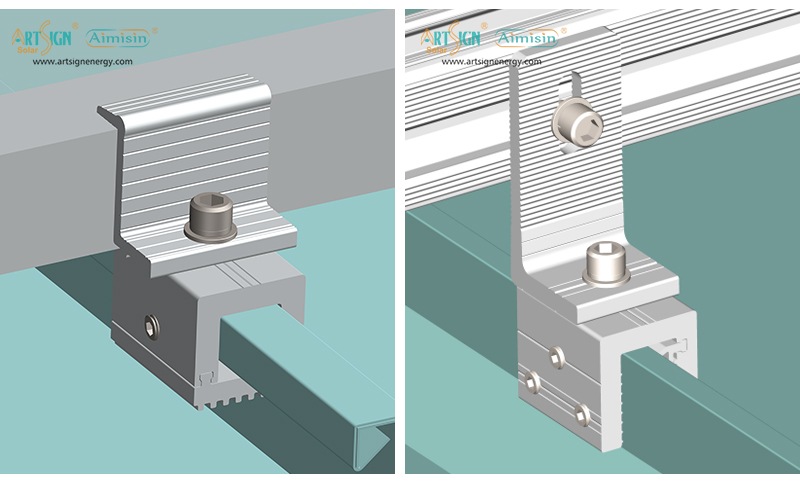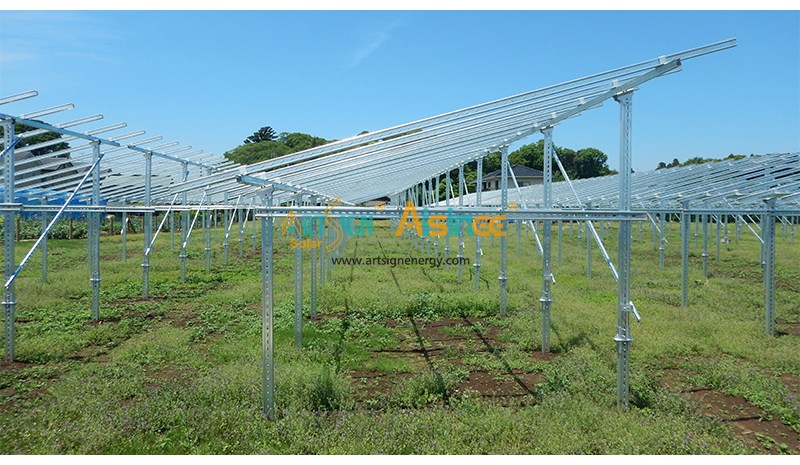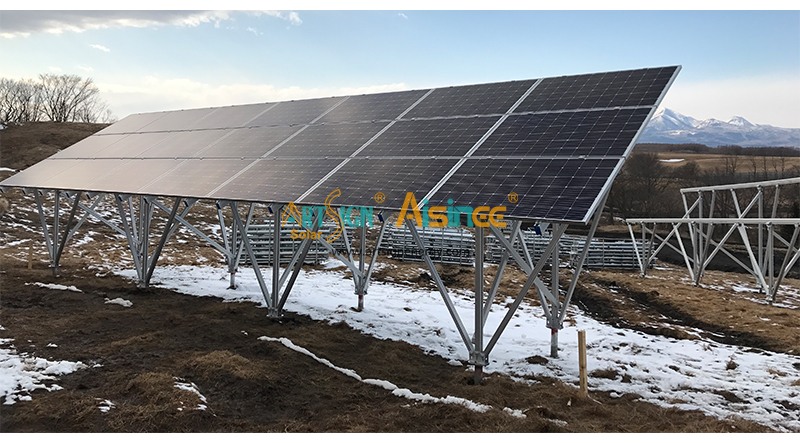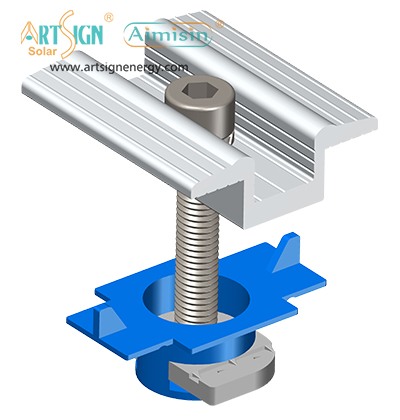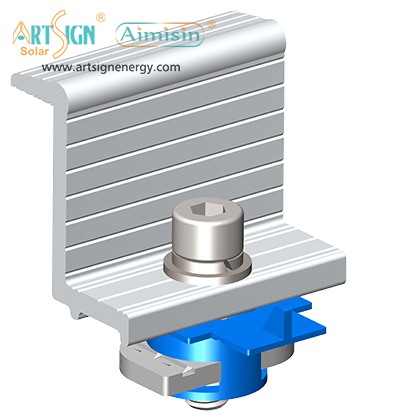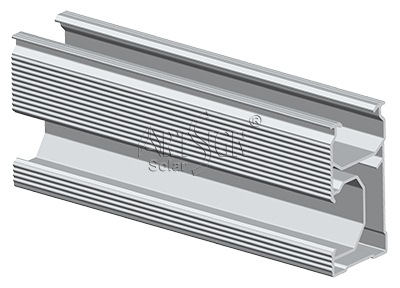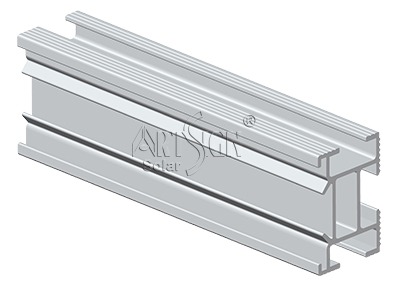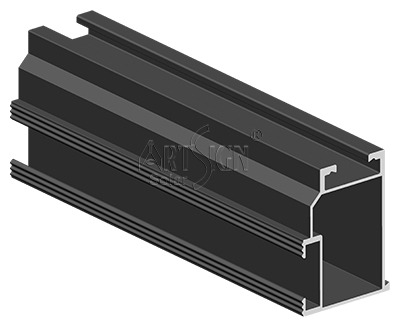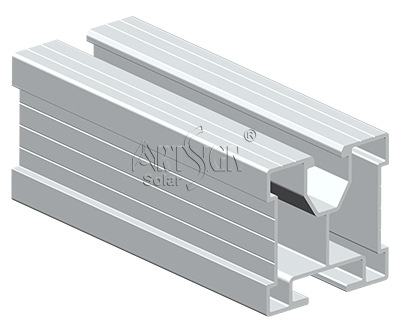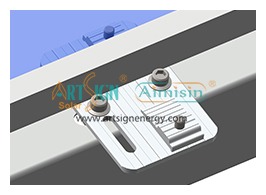
UI SOLAR Mid Clamp With Grounding Pin

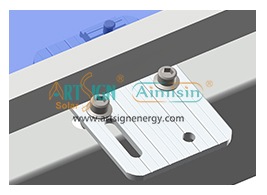
UI SOLAR has made changes to our old mid clamp , which reduces material and also guarantees quality and strength.

Some customer like the clamp with grounding pins,it also can be do .

It is more convenient for solar panels to conduct electricity.


UI SOLAR supply with better strength clamp and better price.


Continue
UISolar Carport, a Nice Choice for Cars

The COVID-19 pandemic has significantly impacted all aspects of life around the world.

Hope you all safe and well.


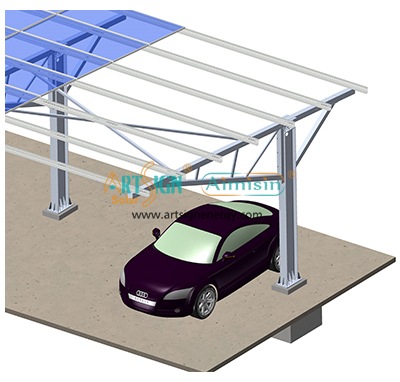
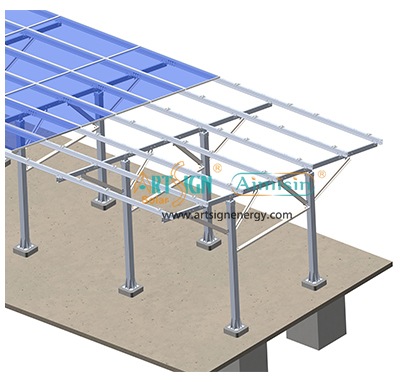
Recently, we have updated carport design and lower the price.

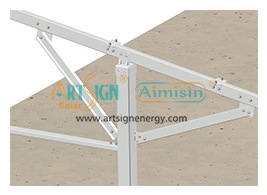
Using aluminum as main material can anti-corrosion well and stainless steel makes sure the intensity.

Also solar carport with functions of parking, producing power provides better users experience.


Click Here for More Details!


solar carport

Continue
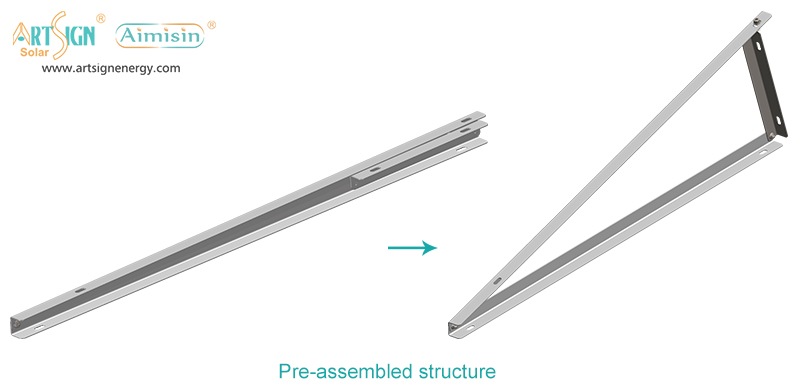
UISOLAR new triangle mount

UISOLAR new triangle mount

We have one new triangle mounting bracket for flat tin roof and flat concrete roof.

Our previous type triangle mount, like the new one,  also can be customized per customers’ need to make it to be adjustable or fixed triangle system.

For new type, it save material cost and keep the same strength needed.

So this new type is very popular in many countries, like South America, South Asia and so on.

At the same time, it is more suitable for keep them in stock.

2 sets per module, no need to consider how many pieces per line, so many clients buy this new type a lot QTY.

They can sell to installer easier.

Most important, the cost is less than previous type.

Maybe you can have a try this one if you are looking forwarder triangle mounting brackets.

triangle mounting bracket

Continue
UISOLAR'S new clamping hook

These days,  many countries are lockdown by COVID 19, the markets are low all over the world.

But we UISOLAR are still trying to do our best to be great.

Our clamp hook are getting popular these days, especially at South Asia, Africa and so on.

It is low-cost and easy for installation.

By using clamping hook, we can save the rail cost, so the cost will be low.

And only mid clamp, end clamp plus clamping hook, so it is easier when we do installation.

At the same time, the most important advantage is you can no need to drill holes on your roof by using clamp hook.

In this way, you can do not worry about Water leakage problem on your roof.

Below is our clamp hook detail for your reference.

clamp hook manufacturer


Continue
Update of global PV market in 2023

In 2022, after the high price of energy brought by the Russian-Uzbekistan war, the attention of countries to renewable energy has been greatly increased, and the photovoltaic market has therefore flourished. In 2022, the global module demand will reach as high as 280GW, with an amazing growth rate of 56.5% compared with 2021. In 2023, with the continuous promotion of energy transformation in various countries, InfoLink estimates that global demand will grow by 21.6% to 338GW.

The growth rate of the global market in 2023 will be lower than that of last year. In addition to the relatively high base period, the reason why the global photovoltaic market in 2022 can achieve more than expected growth is largely due to the impact of the Russian-Uzbekistan war and soaring energy prices, which have greatly stimulated the demand for renewable energy. If there is no similar sudden major impact this year, it may be difficult to achieve the same growth rate as last year; Looking closely at the markets of various countries, we can find that many countries with large market scale are facing policy difficulties this year, such as the United States' Xinjiang Act and India's BCD tariff, which lead to poor import conditions, and Brazil's start to impose grid usage fees on small distributed projects. The policy changes will make it difficult for the growth of the global photovoltaic market in 2023 to maintain the growth rate of last year. On the whole, even if the growth rate is lower than that of last year, it is still expected that the overall market demand will grow by about 60GW in 2023, and if countries can break through the policy restrictions, the demand will have the opportunity to grow further. Under optimistic conditions, it is expected that the global demand will have the opportunity to grow to 398GW.

Compared with the growth of the demand side, the overall supply chain capacity expansion is relatively significant. In 2022, there was a serious shortage of silicon materials. At the beginning of the year, the total capacity was only 294GW. Compared with the demand of 280GW, there was a serious shortage of silicon materials. The shortage of silicon materials also made the overall supply chain price at a high level last year; However, by the fourth quarter of 2022, the large-scale production expansion plans of silicon material manufacturers have been implemented in succession, and the capacity will exceed 500GW by the end of 2022. The large volume of silicon material output has also made the overall supply chain price significantly loose at the end of last year. The price of silicon material and silicon wafer has dropped far more than expected, and the component price has also dropped from 0.265USD/W (2 RMB/W) at the beginning of November 2022 to 0.235USD/W (1.8 RMB/W) in the middle of January 2023.

According to the current production expansion plan, the overall supply chain will be in a situation of overcapacity in 2023, and the total capacity of each link will exceed 800GW by the end of 2023. The capacity of the first-tier manufacturers alone will be sufficient to meet the demand. The increase in concentration may lead to the difficulty of the second-tier and third-tier manufacturers in maintaining market share in the off-season, and the competition among manufacturers will become increasingly fierce, and the vertical integration layout of leading enterprises The overseas production expansion plan will also significantly affect the competition pattern. While the production of silicon material to components is expanded in a large amount, it should also be noted that the supply of auxiliary materials such as quartz crucibles used in the long crystal link and POE adhesive film for double-sided components may not be able to keep up with such a large-scale increase in production during the peak demand season, resulting in a temporary shortage.

Subdivide the changes in demand in each quarter. Europe and China in the first quarter are both traditional off-season, especially in the European market at the end of last year, due to the accumulation of inventory, the pulling power has been significantly weakened, and the impact may continue until the beginning of this year; India, which was affected by the local fiscal year in the past and would pull a large amount of goods at the beginning of the year, also suffered from the rapid shrinkage of the market due to the BCD tariff, which made the global market relatively cold in the first quarter; 2At the beginning of the third quarter, with the continuous decline of supply chain prices, it is expected that demand will gradually pick up. Until the end of the year, China will have another large-scale grid connection tide due to the decline of component prices, driving the demand in the fourth quarter to the peak of the whole year.

In terms of price changes, although manufacturers may cause short-term price fluctuations by adjusting the operating rate, the annual price trend still shows a significant decline due to the impact of oversupply. InfoLink estimates that the average component price in 2023 will be about 0.214 USD/W (1.673 RMB/W), a significant decline compared with the average of 0.266 USD/W (1.929 RMB/W) in 2022. Last year, many large projects were restrained by high prices, and manufacturers chose to postpone the installation schedule. The centralized installation in the United States decreased by about 37% compared with 2021, and the ground-based rush to install at the end of the year in China was not as obvious as before; In 2023, with the overall supply chain price falling, the delayed projects will start construction in succession this year, and stimulate the centralized market that performed relatively weak last year, further boosting the overall demand.

Compared with the oversupply in 2022, the photovoltaic industry will gradually turn into oversupply in 2023, which will drive the price down and facilitate the short-term expansion of demand. On the whole, we will remain optimistic about the market next year, but there are still many uncertain factors. In terms of policy, such as India and the United States, we must find solutions to the contradiction between protecting local capacity and developing the market; The European market may also face the impact of overall economic changes on demand next year, and the measures proposed for forced labor may also affect the development of PV in the future; The unsealing of China's epidemic situation and the change of the industrial competition pattern may cause short-term significant changes in supply. In the long run, the market size will continue to grow with the promotion of energy transformation by governments and the approaching of policy objectives.

Continue
What are the precautions for installing a photovoltaic roof power station?

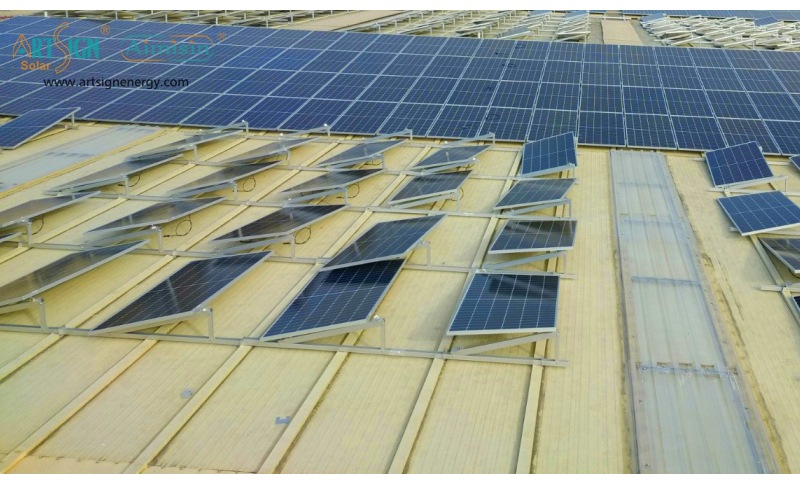
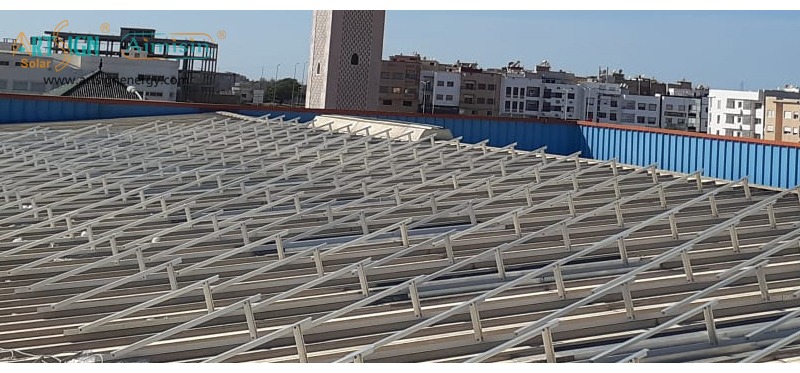
There are three main types of roofs in rural areas: color steel tile roofs, brick and tile structure roofs, and flat concrete roofs. There are great differences in these three types of roof structures. Even with the same area, the way to install photovoltaic power generation systems is also different. Today we will talk about the issues that should be paid attention to when installing photovoltaic power stations on color steel roofs:

1. Investigate the site selection of the roof photovoltaic array: (1) Roof structure (fixed brackets to ensure waterproof). (2) Purlin spacing, direction, dimension distance. (3) Roof structure and component arrangement. (4) Avoid shadow occlusion.

2. Do a good job of waterproofing: When installing a photovoltaic system, first of all, ensure that it is installed under the condition of avoiding damage to the roof. The roof with a waterproof layer needs to avoid punching holes, and the color steel roof needs to use waterproof glue or rubber pads for punching holes.

3. Placement of length and width of components: During installation, the length and width of the components are determined according to the roof area. When the long side of the components is perpendicular to the keel, the cost of the bracket is saved. When installing, reserve the width of the wiring trough.

4. Colored steel roof load: In general, the installation of photovoltaic power generation equipment on the steel structure workshop will increase the weight by 15 kg per square meter. The roofs of large commercial enterprises generally have the drawings of the original design institute. If we can obtain the drawings before the inspection, we can Learn more about roof structure and electrical structure distribution. Check whether the roof load meets the installation requirements through the drawings, check the design value of the dead load in the architectural design description, and determine whether other loads are added in addition to the roof's own weight, such as pipes, hanging equipment, roof attachments, etc., and determine the dead load Whether there is a margin to install photovoltaic power plants.

Continue
What Can We Benefit from Solar Ballasted Mounting Structure?

With the development of technology, many solar mounting structure have been created. Solar ballast mounts, a type of mount that can be installed on the ground or roof, have won a lot of popularity among residential and commercial users.

There are several benefits to using a ballasted solar system instead of traditional roof racking. A ballasted system offers:

No penetrations onto the installation site: ballasted mounts do not require roof or ground penetrations as the traditional solar mounting system, which uses the concrete block to hold the structure.

Flexible positioning: the non-fixed nature of the ballast system also makes it easy to move when needed. Its simple to remove panels from their clamps, take weights out of their ballasts, and shift racking mounts without too much hassle.

Smoother installation: it's also often faster and cheaper for solar contractors to ballast solar panels rather than set them on traditional residential mounts. Because of their size and shape, mounts are easily stacked, reducing shipping costs and transit time to get them to the site. Once on site, most ballast systems are unloaded from the pallet and ready to use without pre-installation and setup. This all creates a simpler experience for solar contractors and can lead to faster uptime.

Taking into account the advantages and needs of the market, UISOLAR offers many different kinds of solar ballasted mounting. We have the regular aluminum ballasted mount, adjustable ballasted mount, U shape ballasted mounting, and steel ballasted mount. Feel free to contact us for any further details!

Continue
What is the installation method of photovoltaic roof power station?

With all kinds of roofs, is every roof power station the same? Today, let's learn about the installation method of photovoltaic roof power station.


1. Concrete foundation installation: 

(1) According to the construction method, it can be divided into: prefabricated cement foundation and direct pouring foundation. 

(2) According to its size, it can be divided into: independent base foundation and composite base foundation. 

(3) The scope of use in distributed photovoltaic power plants: concrete flat roof.


Advantages: strong bearing capacity, good flood and wind resistance, reliable force, no damage to the cement roof, good strength, high precision, simple and convenient construction, and does not require large construction equipment.


Disadvantages: Increase the load on the roof, require a large amount of reinforced concrete, a lot of labor, a long construction period, and a high overall cost.


2. Fixture installation: The material can be divided into aluminum profile, hot-dip galvanized steel, aluminum alloy, stainless steel, etc. It is mainly used in color steel tile roofs and glazed tile sloping roofs.

Features: light weight, low cost, high reliability, easy installation.

Continue
Are Roof Mounted Solar Panels Worth It?

As solar energy continues to gain popularity, one of the most common questions from homeowners and businesses is whether roof mounted solar panels are worth the investment. Rooftops are often the most convenient and cost-effective location for solar installations, but it’s important to weigh both the advantages and potential limitations before making a decision.

roof mounted solar

The biggest advantage of roof mounted solar panels is space efficiency. Roofs provide a large, often underutilized surface that is already exposed to sunlight throughout the day. By using this existing space, property owners avoid taking up valuable ground area that could otherwise be used for gardens, driveways, or recreational purposes.

Another factor is cost-effectiveness. Roof installations generally require fewer materials compared to ground mounted systems, which need additional framing and foundations. This often results in lower upfront costs. Additionally, roof mounted solar systems can improve property value, as buyers increasingly look for energy-efficient and environmentally friendly homes.

From a performance perspective, roofs can offer excellent sunlight exposure. When panels are installed at the right tilt and orientation, they can capture maximum energy during peak hours. Professional mounting systems help position the panels at angles that optimize efficiency and reduce shading issues.

However, there are some considerations. Roof condition is a critical factor—if the roof is old or needs repairs, it is usually recommended to address those issues before installation. Weight is another concern, as solar panels and mounting hardware add load to the roof structure. Using high-quality, lightweight mounting brackets reduces this risk while ensuring stability.

Maintenance access can also be more challenging on rooftops compared to ground mounted systems. This is why the design of the mounting system is so important. Well-engineered systems make installation and maintenance safer and easier. Companies like SIC Solar, which manufactures and sells photovoltaic mounting brackets, focus on providing durable and adaptable roof mounting solutions that balance safety, reliability, and ease of installation.

Despite these considerations, roof mounted solar panels remain a worthwhile investment for most property owners. They offer long-term savings on electricity bills, reduce dependence on the grid, and contribute to a cleaner environment. With the right roof condition and high-quality mounting systems, a rooftop solar array can serve as a sustainable energy solution for decades.

Continue
Can I Mount Solar Panels Vertically?

When thinking about solar energy, most people picture panels installed at an angle on rooftops or ground-mounted frames, positioned to capture the maximum sunlight throughout the day. But what about vertical installation? Can solar panels be mounted vertically, and if so, what are the advantages and trade-offs?

The short answer is yes—solar panels can be mounted vertically. This setup is less common than traditional angled installations but is becoming more popular in specific scenarios. Vertical mounting involves positioning panels upright, either on building facades, fences, or specially designed vertical racking systems.

vertical mounted solar panels

One of the main benefits of vertical solar panels is their space efficiency. For properties with limited roof or ground space, vertical installation allows panels to be placed on unused surfaces, such as the sides of buildings or along property boundaries. This approach is particularly useful in urban environments where rooftops may be shaded or cluttered with HVAC equipment.

Another advantage is self-cleaning potential. Panels installed vertically accumulate less dust, debris, and snow compared to panels laid flat or at shallow angles. Rainwater naturally washes the surface, reducing the need for frequent cleaning and lowering maintenance costs.

From an energy production perspective, vertical panels are most effective when facing east and west. This allows them to capture sunlight during the morning and late afternoon hours, aligning well with peak electricity demand times. However, compared to south-facing tilted panels (in the northern hemisphere), vertical panels generally generate less overall energy across the year because they receive less direct midday sunlight.

Vertical installations can also enhance aesthetic and architectural integration. Building-integrated photovoltaics (BIPV), for example, use vertical solar panels as part of the exterior façade, blending energy production with modern design. This approach not only reduces energy bills but also contributes to sustainable building certifications.

The success of vertical solar projects relies heavily on the strength and adaptability of mounting systems. Panels need to be securely fixed to withstand wind loads and weather impacts. Companies like SIC Solar, which specializes in producing and selling photovoltaic mounting brackets, provide solutions that support vertical applications while ensuring durability and safety. Their systems are designed to handle structural challenges while offering flexibility for different site conditions.

While vertical solar panels may not always be the most efficient option in terms of maximum energy output, they offer unique benefits that make them suitable for specific situations. Whether on building facades, fences, or creative architectural designs, vertical mounting expands the possibilities of where solar power can be harnessed.

Continue
Home Archives