Maximize Your Flat Roof Yield Introducing Our East-West Solution | Art Sign

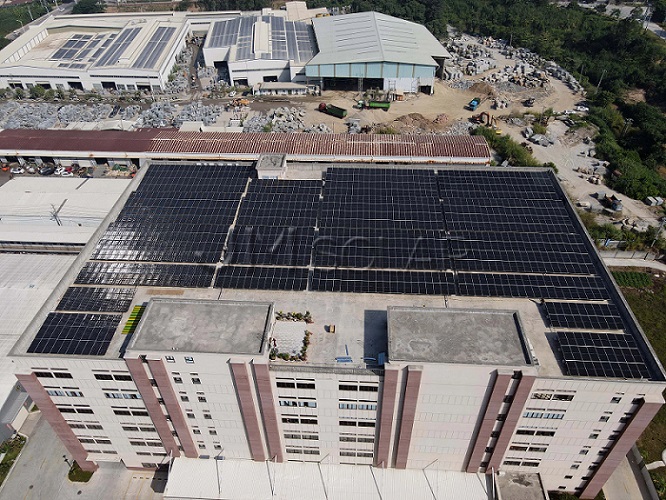
Traditional south-facing mounts take up a ton of space and might not be the best fit for your energy needs throughout the whole day. That's where our East-West Solution steps in to completely change the game!


This solar mounting system is an absolute winner for almost any large, flat surface. Think about your next project: commercial buildings, industrial warehouses or public infrastructure, The solution is suitable for all of these locations.


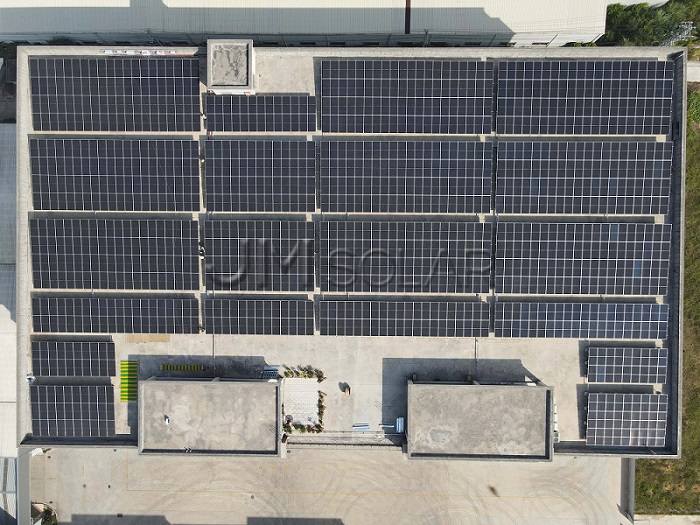
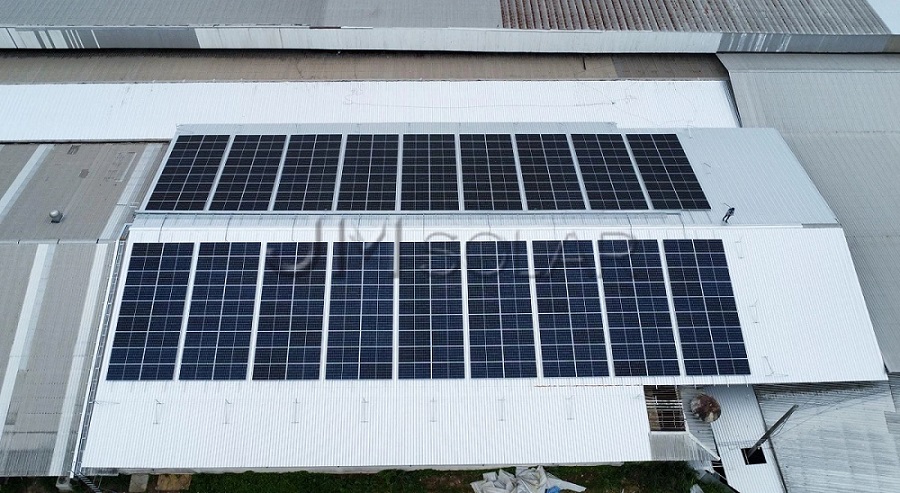
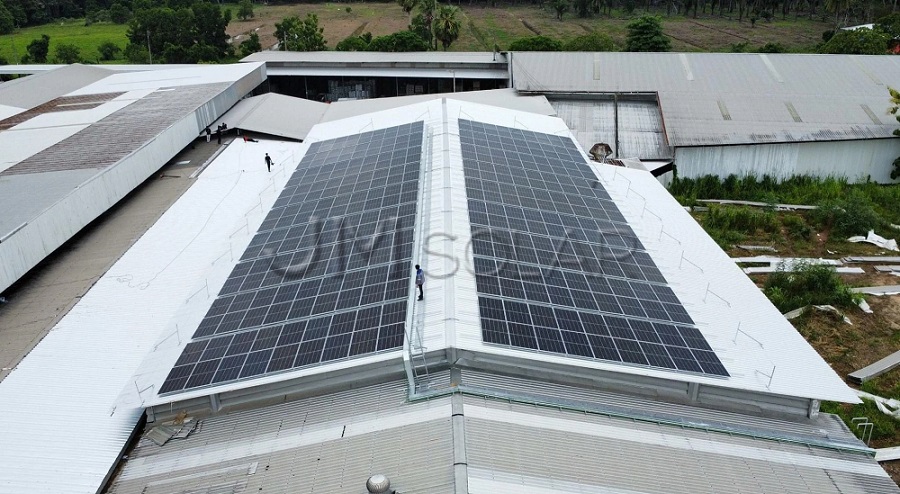
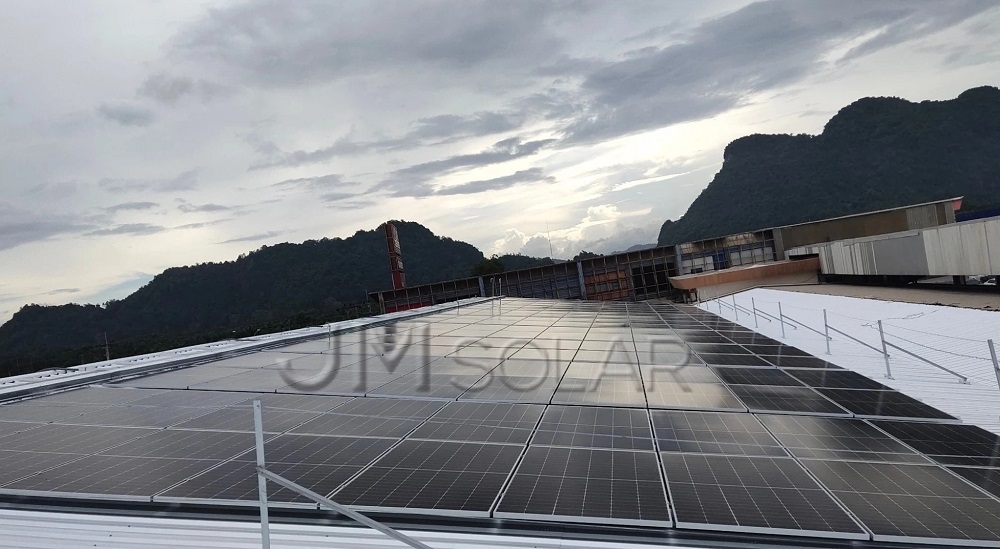
How does it work? Instead of aiming modules purely south, our mount arranges panels back-to-back in an East-West configuration. With a fixed 10° inclination angle, you can fit way more modules onto the same roof area, increasing the overall energy you generate during the key morning and afternoon hours!


east-west solution


We build these mounts to be tough. Made from AL6005-T5 aluminum alloy, they fight off corrosion and stand up to harsh weather.
When it comes to putting this system down, we make it simple, fast, and secure. We give you full control by offering two options, making installation flexible and efficient on any flat roof: Ballast or Anchor
Easy Ballast: For lighter wind areas, you can use a simple ballasted solution without drilling any holes in the roof! This streamlines the installation process, protects the roof's integrity.


solar mounting system


Rock-Solid Anchor: For high-wind areas or when using wider modules, the anchor bolt fixing is your best choice for secure, permanent mounting.


flat roof


So, why Art Sign? Because we are a specialized manufacturing factory with almost 20 years of experience! We don't just assemble parts; we have a development team that designs and rigorously tests every product. Our focus is on strict quality control and reliable engineering. When you choose our solar mounts, you’re not just buying metal; you’re investing in two decades of expertise that ensures your project performs perfectly.


For any inquiry for solar mounting system, please contact us, E-mail: sales@artsign.net.cn, Whatsapp / Wechat / Skype: +86 18030235875, thank you.

Continue
Got a Tin Roof? This Non-Penetrating Clamp Is Your Choice | ArtSign

If you’ve ever had the headache of installing solar panels on a metal standing seam roof, you know the biggest worry is the same for everyone: leaks. Once you start drilling holes, it can ruin the waterproof seal.


At Art Sign , we recommend you a aluminum clamp for your metal roof, no penetrating!

With almost 20 years of experience in this line, we’ve pretty much seen (and solved) every mounting problem out there. We don't just sell mounting hardware; we're a factory with the engineering brains to back it up. That's why we’re so excited to show off one of our best solutions for tin standing seam roofs: our Aluminum Seam Clamp!


This clamp’s advantage is non-penetrating. It works by literally grabbing onto the seams of your metal roof—no drills, no sealants, no guesswork needed! This means:
Water proof: No hole on the roof, no water leaks.

High durability: We make this of high-strength AL6005-T5 Aluminum. It can handle serious weather, from heavy snow to strong winds. You’re guaranteed a long, reliable run for your PV system.


Non-Penetrating Clamp

The clamp is highly pre-assembled, which can significantly reduce installation time. And the product is specifically designed for particular roof types, the design ensures a perfect fit and optimal load distribution, guaranteeing a stable, secure, and precise installation.


standing seam roof


The clamp can be attached directly to rails or used in conjunction with L-feet.


solar mounting


Remember, we're not just a production line; we're a design powerhouse. Our team has the engineering design capability that comes with 20years of focusing on solar mounting. If your project has a weird or unique roof structure, or if you need something nobody else offers, we can customize and develop the exact solution you need.

For any inquiry for solar mounting system, please contact us, E-mail: sales@artsign.net.cn, Whatsapp / Wechat / Skype: +86 18030235875, thank you.


Continue
Smart Charging Meets Solar and Storage A New Era of EV Infrastructure

As electric mobility surges worldwide, the EV charging landscape is evolving fast — shifting from traditional power solutions to intelligent, sustainable, and energy-flexible systems. 🚗⚡

The latest trend combines smart charging with solar energy ☀️ and battery storage 🔋, creating cleaner, more resilient power networks that shape the future of green transportation. 

🌱 Accelerating the Energy Transition

Traditional EV chargers often rely on complex grid connections and long installation timelines. 

🌞⚡In contrast, smart charging systems with solar + storage integration can operate semi-independently from the grid — reducing peak loads, speeding up installation, and maximizing renewable power use. 

These hybrid systems store solar energy during the day ☀️ and release it during high-demand hours 🌙, balancing the grid and cutting operational costs. 💰

🔋 Battery-Buffered Charging: A Smarter Path Forward

A new generation of battery-buffered ultra-rapid chargers is reshaping the market.

Instead of waiting 3–6 years for utility upgrades, these systems can be deployed in as little as 1–2 years. ⏱️

By integrating on-site energy storage, they deliver high-power, stable charging even in locations with limited grid capacity.

Cannon 300 — FES Power’s Answer to the Future

FES Power’s Cannon 300 redefines what “smart charging” means.

It combines ultra-rapid performance, renewable readiness, and modular scalability, making it ideal for modern EV hubs, fleets, and highway stations. 🏙️🚚

Key Highlights:

🔌 Up to 600 kW ultra-fast output, supporting 600 A liquid-cooled and 250 A air-cooled dispensers.

🔋 Built-in LiFePO₄ battery (150–260 kWh) for flexible and stable energy use.

☀️ PV integration with MPPT function — directly utilizes solar power.

🌐 Smart communication: Ethernet, 4G/LTE, Wi-Fi, and OCPP 1.6J/2.0.

❄️ Operates from -25 °C to 55 °C, low noise (<45 dB Eco mode).

🧠 Works in grid-tied or off-grid mode for full deployment flexibility.

🌍 Building a Cleaner, Smarter Future

By integrating solar energy, storage systems, and smart control, Cannon 300 enables faster, cheaper, and greener charging infrastructure. 💡

It’s not just a charging station — it’s a complete energy ecosystem built for the new era of e-mobility. 🚘🌱

FES Power — Empowering the Future of Energy Transition

🔗 www.fespower.com

Continue
How Is Smart Connectivity Transforming EV Charging?

As the electric vehicle (EV) industry accelerates, the evolution of charging technology has moved beyond simple power delivery. Today, the future lies in intelligent, connected, and platform-based EV charging solutions. But what does that really mean — and how is it transforming the way we charge our vehicles? 

🤖 How Does Intelligence Make EV Charging Smarter?

Artificial intelligence (AI) and smart algorithms are becoming the brain of EV charging networks. They analyze usage data, predict demand, and balance grid loads in real time. For fleet operators and public charging networks, this means optimized energy distribution and reduced operating costs.

💡 FES Power’s intelligent DC fast chargers come equipped with smart load management and dynamic power allocation — ensuring each vehicle gets the right charge at the right time. Whether in cities, highways, or fleet depots, our chargers adapt intelligently to energy needs and grid conditions.

🌐 Why Is Connectivity So Important for EV Charging?

Connectivity is no longer optional — it’s essential. Through IoT (Internet of Things) integration, charging stations communicate seamlessly with vehicles, users, and management systems. Remote monitoring, predictive maintenance, and user-friendly mobile apps all rely on this digital backbone.

📱 With FES Power’s networked chargers, operators can monitor performance, update firmware remotely, and even provide real-time data to drivers — ensuring reliability and transparency across every charging session.

🧩 What Does Platformization Mean in the EV Ecosystem?

Platformization brings together various elements — vehicles, chargers, payment systems, and data analytics — into a single digital ecosystem. Instead of standalone stations, the industry is moving toward integrated energy and data platforms that create long-term value.

⚙️ FES Power’s open platform supports OCPP protocol and connects easily with third-party systems, enabling scalability and interoperability. From billing systems to smart grids, our chargers are built for a future-proof EV infrastructure.

🚀 What’s Next for the Future of EV Charging?

As EV adoption grows globally, the convergence of intelligence, connectivity, and platformization will define the next phase of energy innovation. FES Power continues to lead this transformation — delivering reliable, efficient, and intelligent charging solutions that empower both users and operators.

🌿 The journey to smarter, greener mobility starts here.

🔗 Explore our latest charging technologies at www.fespower.com

Continue
Is the Global EV Charging Infrastructure Entering an Acceleration Phase?

As electric vehicles (EVs) continue to surge worldwide, the global charging infrastructure is clearly entering an accelerated phase of development. Recent reports show that the number of public charging points has grown by more than 45% year-on-year — one of the fastest expansions in clean mobility history. This momentum reflects not only the rise of EV adoption but also the urgent need for smarter, faster, and more reliable charging networks.

🌍 Why Is This Acceleration Happening?

Several factors are driving this global growth:

⭐️Government incentives and policies in key regions such as Europe, China, and North America are supporting large-scale charger deployment.

⭐️Private investment is increasing as energy and tech companies recognize the long-term potential of EV charging.

⭐️Consumers’ trust in EVs continues to strengthen with improved battery range and lower ownership costs.

Together, these trends are turning EV charging from a niche service into a critical part of the global energy ecosystem.

⚙️ What Challenges Still Exist?

While expansion is rapid, challenges remain. In many regions, charging accessibility and grid capacity are not yet balanced with growing demand. Compatibility between different systems and charging standards also poses barriers to seamless EV travel. Building a network that is fast, accessible, and intelligent is now the next frontier.

🔋 How FES Power Is Powering the Transition

At FES Power, we are helping shape the next phase of global charging infrastructure with our smart and high-efficiency EV chargers.

Our solutions feature:

⭐️Fast-charging capability for both commercial and public applications

⭐️Dynamic load balancing and OCPP protocol for intelligent management

⭐️Integration with renewable energy systems to enhance sustainability

Whether for urban areas, highways, or fleet operations, FES Power’s chargers deliver reliable, scalable, and eco-friendly performance that meets the pace of global EV growth.

🌱 Looking Ahead

The world’s shift toward a zero-emission future depends on how fast charging infrastructure can evolve. As more nations commit to electrification, partnerships between innovators, policymakers, and energy providers will determine the speed of this transformation.

At FES Power, we are ready to drive that change — faster, smarter, and greener.

👉 Visit us at www.fescharging.com

 to learn more about our solutions.

Continue
Swap or Charge? Finding the Smart Balance for the Future EV Infrastructure

❓Why Is the Industry Talking About “Swap vs. Charge”?

As electric vehicle (EV) adoption accelerates, the competition between battery swapping and fast charging has become a key topic in the EV ecosystem. Battery swapping offers rapid energy replenishment within minutes, while fast charging continues to evolve toward higher power and smarter management. Instead of a simple “either-or,” the industry is now moving toward a hybrid strategy—a layout that integrates both charging and swapping to meet diverse mobility demands.

🤔What Are the Core Advantages of a Mixed Layout?

A hybrid model allows cities and operators to balance speed, cost, and flexibility. In urban centers with high EV density, swap stations ensure rapid turnover for taxis and fleets. Meanwhile, fast-charging stations—especially DC chargers and solar-storage-integrated systems—serve private users and long-distance drivers. This approach optimizes energy use, reduces grid pressure, and enhances user accessibility.

🧾How Does FES Power Support the Mixed-Energy Transition?

FES Power offers a full spectrum of charging solutions that perfectly fit the hybrid deployment model.

⭐️Portable chargers (3.5–7 kW) provide flexibility for personal and emergency use.

⭐️Wall-mounted AC chargers (7–22 kW) enable convenient home or workplace charging.

⭐️DC fast chargers (120–160 kW) ensure quick energy replenishment for commercial use.

⭐️Solar-storage superchargers (150–480 kW) integrate renewable power for sustainable operations.

⭐️Mobile power units (46–60 kW) deliver on-demand backup energy for swap or event sites.

Together, these solutions empower operators to design customized, efficient energy networks that combine both charging and swapping advantages.

⁉️Can Hybrid Layouts Ease Infrastructure Pressure?

Yes. A combined system reduces the strain on the grid by distributing energy loads. Swap stations can serve fleet vehicles during peak hours, while FES Power’s fast chargers can operate during off-peak times with intelligent scheduling. The integration of energy storage also allows renewable generation to play a larger role in charging networks, supporting stable power delivery and cost optimization.

🌍What Will the Future of EV Energy Networks Look Like?

In the next few years, we’ll see more co-located swap and charging hubs, especially near logistics centers, highways, and urban transportation corridors. The winners will be those who create flexible, scalable, and data-driven infrastructure ecosystems—exactly the direction FES Power is advancing toward.

By combining smart charging technology, modular design, and clean energy integration, FES Power is helping global partners build the next generation of hybrid EV infrastructure—where swapping and charging coexist, complement, and accelerate the journey to full electrification.Please click https://www.fescharging.com/ to learn more.

Continue
The Reliability Crisis in EV Charging

As electric vehicles (EVs) surge in popularity, drivers expect charging to be as simple and seamless as refueling a gas car. Yet, recent studies reveal a worrying fact — nearly 30% of EV charging attempts end in failure. From unresponsive chargers to broken connectors and unstable networks, reliability has become the biggest pain point for the EV ecosystem.

🤔What’s Causing the Charging Failure Rate to Stay So High?

Despite rapid infrastructure expansion, system stability hasn’t kept pace. Common failure reasons include:

🔷Software communication errors between chargers and vehicles

🔷Hardware degradation due to poor maintenance or harsh weather

🔷Payment and network connection issues disrupting transactions

🔷Overloaded power circuits during peak usage

These failures not only frustrate users but also slow down the transition to electric mobility. When charging becomes unpredictable, consumer confidence suffers — and that’s a problem for everyone in the EV chain.

🧾How Can Portable Charging Devices Offer a Reliable Backup?

In response to the growing concern over unreliable public chargers, portable charging solutions are emerging as a flexible and dependable alternative.

FES Power’s Portable EV Charger Series (EP01 / EP02) provides drivers with a safe, mobile, and convenient charging option — ensuring that “charging anxiety” never stands in the way of your journey.

⁉️What Makes the FES Power Portable EV Charger Different?

⭐️Reliable Safety Protection:

Type A 30mA + 6mA DC leakage protection, with multiple hardware and software safeguards against overcurrent, overheating, short circuits, and surges.

⭐️Flexible and Convenient Design:

Portable or wall-mounted installation, IP65 waterproof and IK08 impact-resistant, suitable for home, office, or outdoor use.

⭐️Smart Charging Features:

Adjustable charging current and scheduled charging based on off-peak electricity prices — making every charge both smarter and cheaper.

⭐️High Compatibility:

Supports Type 2 (EU) connectors, compatible with most EVs.

⭐️Power Options:

EP01/EP02-S16: 3.5kW / 16A

EP01/EP02-S32: 7kW / 32A

Standard 5-meter cable (customizable).

Compact yet powerful, the EP02 model even includes a 3.5-inch OLED display for real-time charging data and status monitoring.

🔬Are Portable Chargers the Future of Reliable EV Charging?

While large-scale public infrastructure remains vital, the future of EV charging will likely blend fixed and mobile solutions. Portable chargers like FES Power’s EP series offer users peace of mind, flexibility, and independence — ensuring energy is always within reach, even when public chargers fail.

As the industry strives to fix network reliability, portable chargers represent a bridge toward true charging freedom — anytime, anywhere.

👉 Learn more about FES Power’s Portable EV Charger solutions:

🌐 www.fescharging.com

Continue
JinMega Agriculture Solar Mounting Systems Collection

1. Unlocking the Future of Agrivoltaics

Agri-PV is more than a technology — it is a revolution in land use. By combining solar energy with agriculture, JinMega’s systems enable farmers to “Harvest the Sun Twice”, maximizing farmland productivity and creating sustainable value. 


Core Benefits for Agriculture:

Efficient Land Use - Solar panels and crops share the same land, increasing output without extra acreage.

Reduced Energy Costs - Power irrigation, greenhouses, and equipment with clean solar energy, lowering long-term costs.

Crop Protection - Panels shield crops from hail, frost, drought, and excessive heat, stabilizing yields.

Livestock Well-being - Provides shade for animals, reduces heat stress, and promotes healthier breeding environments.


2. Empowering Agriculture with a Full Spectrum of Agrivoltaic Solutions

JinMega not only offer a single, standardized product. Instead, it provides a portfolio of adaptable systems tailored to crops, terrain, and climate conditions. These four core solutions are the foundation of our mission: Harvest the Sun, Twice as Much. 


3. Innovation in Action: Four Signature Agrivoltaic Systems

3.1 Fixed Agrivoltaic Mounting System 


Built with Zn-Al-Mg steel, this system combines durability with lightweight design, delivering strong resistance to wind and snow while ensuring long-term reliability. Its flexible configuration adapts to crop shading needs and agricultural machinery, making it suitable for diverse farming environments. 


- Two-Step Fast Installation

With its factory pre-assembled design, the system enables two efficient installation options that reduce labor needs by 30%. 

Unfold the pre assembled structure, quickly pull up the mounting, and gradually complete the top installation part or install all solar module, components, and other structures on the ground before pulling them up. 


Customized Design for Every Farm

Whether blueberry fields in Japan or strawberry farms across Asia, JinMega offers tailored shading ratios (60%–70% transmittance) to optimize growth conditions while ensuring maximum power generation. This flexibility allows farmers to adapt solar designs to specific crop needs, increasing both crop quality and project returns.


3.2 Fixed Adjustable Agrivoltaic Mounting System 


This system empowers farmers to adapt solar structures seasonally—maximizing power generation while providing crops with the right amount of sunlight. Made of high-strength, corrosion-resistant materials, it ensures long-term stability even in high-humidity environments, reducing maintenance costs. 


Enhanced Details for Precision Agriculture

Through an innovative manual adjustment mechanism, farmers can rotate and fix panel angles quickly using circular tightening bolts. By adjusting tilt angles to match crop light saturation, the system can boost annual power generation by 5%–8%, improving both profitability and ecological benefits. 


3.3 Elevated Agrivoltaic Mounting System 

The Elevated Agrivoltaic System provides an innovative solution for dual land use, lifting PV modules 2.5–3.5 meters above ground. Made from AL6005-T5 and SUS304 stainless steel, it withstands extreme conditions like heavy snow and typhoons. 


- Application Scenarios at a Glance

The system features quick angle adjustments from 0°to 30°, allowing seasonal tilt optimization. With row spacing adjustable between 6–20 meters, it ensures sufficient light transmission for crops and easy access for agricultural machinery.

·Fixed Mounting Layout – Ideal for consistent conditions.

·Adjustable Mounting Layout – Flexible design for crop-specific needs.


3.4 Vertical Mounting System 

JinMega’s Vertical Mounting System revolutionizes solar farming by optimizing land use while seamlessly integrating with different industries. Designed for versatility, it performs exceptionally well in agrivoltaics, high-latitude regions, and challenging terrains—delivering maximum returns on both land and energy.


- Valuable Power from Existing Spaces

Efficient Land Use – Vertical design reduces land occupation and maximizes farmland utility while leveraging electricity price differentials.

Harnessing Reflected Light – Captures ground-reflected and diffused light for higher energy yield.

Superior Maintenance – Naturally minimizes snow and rain coverage, lowering O&M costs. 


- Versatile Application Scenarios

·Adaptable row spacing (6–20m) and customizable orientation.

·Supports single or multi-row installations.

·Can be adapted into solar-powered fences with mesh to prevent animal intrusion.


4. From Concept to Field: Real-World Applications

JinMega’s four core agrivoltaic solutions are not just innovative designs - they are real-world answers to the challenges of modern agriculture. By aligning energy generation with farming operations, each system unlocks unique benefits across diverse environments and agricultural models.


Vertical Mounting System – Standout Applications

(1) Agrivoltaic Farming Sites

Vertical mounting systems are designed to maximize land-use efficiency. By aligning PV panels vertically, farmland remains fully operational while solar power generation runs in parallel. This setup is particularly beneficial for low-stature crops under 1 meter.

Note: Not recommended for tall-stemmed crops like corn.


(2) Livestock Applications

In ranching operations, vertical mounting provides consistent clean energy during peak hours in the morning and evening. This ensures the daily power demand of livestock facilities is met, while surplus electricity increases overall ranch income. Additionally, vertical panels can act as natural barriers, improving land management.


(3) High-Latitude & Heavy Snow Regions

In snowy and high-latitude regions, vertical installations offer exceptional resilience. The upright angle reduces snow accumulation and maximizes exposure to diffused sunlight, maintaining stable power output throughout the year. This makes it a perfect solution for regions like Northern Europe, Japan, and North America.


(4) Highway Corridors & Wasteland Utilization

When installed alongside highways or in otherwise underutilized land, vertical mounting systems serve a dual purpose:

·Functioning as solar-powered fences, improving safety and aesthetics.

·Turning unused corridors and wasteland into productive renewable energy assets.


- Fixed Agrivoltaic System in Action 

Best for farms that prioritize low-cost, stable solar integration with crops like berries and specialty fruits.


- Adjustable Fixed System in Action 

Ideal for seasonal optimization, balancing solar generation with crop light needs to boost yields.


- Elevated Agrivoltaic System in Action 

Perfect for large-scale farms with machinery access, enabling true dual land use for crops, livestock, and solar.


5. Driving the Future of Smart Agriculture

JinMega’s Agrivoltaic Systems are designed to unlock the full potential of dual land use. From vertical innovations that redefine space utilization to elevated solutions enabling seamless farming operations, our portfolio empowers farmers, ranchers, and communities to achieve profitable agriculture and clean energy growth at the same time. 

We are also excited to announce our participation in J AGRI TOKYO 2025, taking place on October 1–3, 2025 in Japan. Stay tuned and meet us at the exhibition to discover the future of agricultural solar solutions. Discover how JinMega can transform your land into a sustainable powerhouse of food and energy. Visit us at www.jinmegasolar.com


Continue
Can Solar Panels Be Mounted on a Wall?

When most people think of solar panels, they imagine them installed on a rooftop or ground-mounted in open fields. However, wall-mounted solar panels are becoming an increasingly popular alternative for homeowners and businesses with limited roof space or specific architectural preferences. The concept of vertical solar installations is simple yet practical: instead of laying panels flat or tilted on a roof, they are mounted directly onto a wall, typically facing south in the Northern Hemisphere to capture maximum sunlight.

Yes, solar panels can be mounted on a wall, and in some cases, it’s an excellent option. Wall-mounted systems can be installed on residential, commercial, or even industrial buildings where roof access is difficult or where aesthetics and design integration are important. These installations make use of the building’s façade, offering both energy generation and a modern visual appeal.

solar panel wall mounting

One of the key advantages of wall-mounted panels is space optimization. For buildings with small or shaded roofs, the walls can provide an untapped surface for solar generation. Vertical panels can also perform better during winter months when the sun is lower in the sky, as they receive more direct sunlight compared to panels laid flat on roofs. Additionally, wall-mounted solar systems are often easier to clean and maintain since they are more accessible and less likely to accumulate dust or debris.

However, wall mounting requires specialized racking systems designed to securely hold panels in a vertical position and withstand wind loads and temperature fluctuations. The mounting brackets must be durable, corrosion-resistant, and capable of maintaining structural integrity for decades. That’s why choosing a high-quality solar mounting supplier is essential.

Companies like SIC Solar, a professional manufacturer of photovoltaic mounting systems, provide reliable and adaptable mounting solutions for various solar applications — including wall-mounted designs. Their aluminum and stainless-steel brackets are engineered for strength and durability, ensuring panels stay safely attached even under challenging environmental conditions. SIC Solar’s expertise in structural design allows installers to confidently mount solar panels on walls without compromising efficiency or aesthetics.

While wall-mounted solar panels may not produce as much energy as roof-mounted systems due to their vertical orientation, they can still make a meaningful contribution to overall energy needs. Combining wall-mounted and rooftop systems is a practical approach for maximizing solar potential, especially in dense urban areas or buildings with multiple facades exposed to sunlight.

Wall-mounted solar systems represent an innovative way to make the most of available space and design flexibility. With advanced mounting technologies from trusted manufacturers like SIC Solar, vertical solar panels are no longer a niche idea but a practical solution for sustainable energy generation on almost any building.

Continue
Do All Solar Panels Use MC4 Connectors?

When installing a solar power system, one of the most important but often overlooked components is the connector — the small yet essential part that links solar panels together to form an electrical circuit. Among the various types of connectors available, MC4 connectors are by far the most common. But do all solar panels use them?

mc4 solar cable connectors

The short answer is yes, most modern solar panels today use MC4 connectors, but not every system necessarily does. MC4, short for Multi-Contact, 4 millimeters, was developed to standardize solar connections and make installation faster and safer. These connectors are designed to snap together securely while maintaining a watertight and dustproof seal, ensuring reliable performance in outdoor environments.

MC4 connectors are now the industry standard for residential, commercial, and utility-scale solar installations. They allow for quick plug-and-play connections between panels, reducing installation time and minimizing the risk of wiring errors. They are also compatible with most inverter and combiner box systems, making them highly versatile.

However, some older solar panels or custom-built systems may still use other types of connectors, such as MC3 or proprietary designs from specific manufacturers. In these cases, adapters are sometimes required to connect older panels to modern equipment. It’s always essential to ensure that connectors are compatible in terms of voltage, current rating, and polarity to avoid performance issues or safety hazards.

Beyond electrical compatibility, proper cable management and mounting systems also contribute to a stable and long-lasting solar setup. Companies like SIC Solar, a professional manufacturer and supplier of photovoltaic mounting systems, design structural components that work seamlessly with panels using MC4 connections. Their durable brackets, clamps, and cable management accessories help keep wiring secure, organized, and protected from environmental stress.

One of the biggest advantages of MC4 connectors is their weather resistance. They are designed to withstand harsh outdoor conditions — from intense sunlight to heavy rain — while maintaining a solid electrical connection. The connectors feature locking mechanisms that prevent accidental disconnection, providing safety and peace of mind for installers and system owners alike.

In large solar arrays, MC4 connectors also make maintenance easier. If a single panel needs replacement, technicians can quickly disconnect and reconnect panels without rewiring the entire system.

While not all solar panels in existence use MC4 connectors, the vast majority of new installations do. Their reliability, safety, and ease of use have made them the global standard for solar electrical connections, helping ensure efficient performance alongside quality mounting solutions from companies such as SIC Solar.

Continue
Home Archives