What is a Solar Canopy?

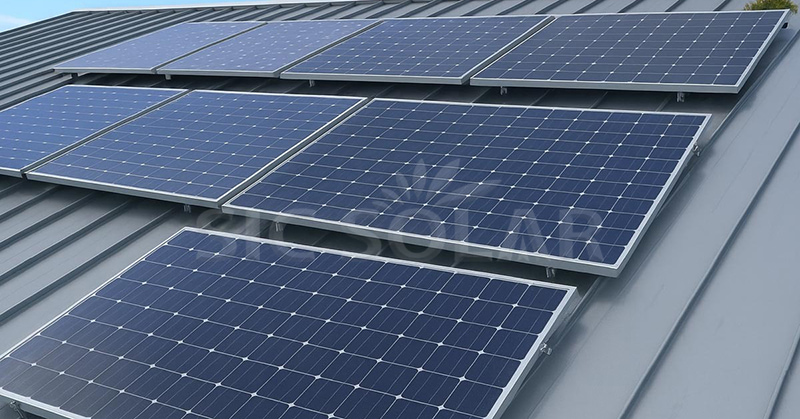
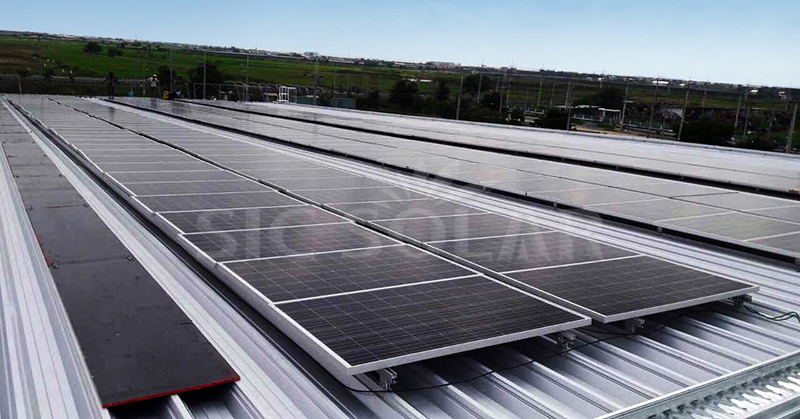
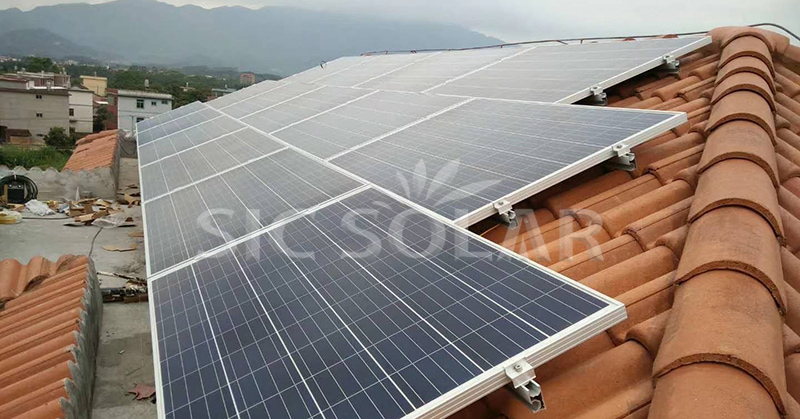
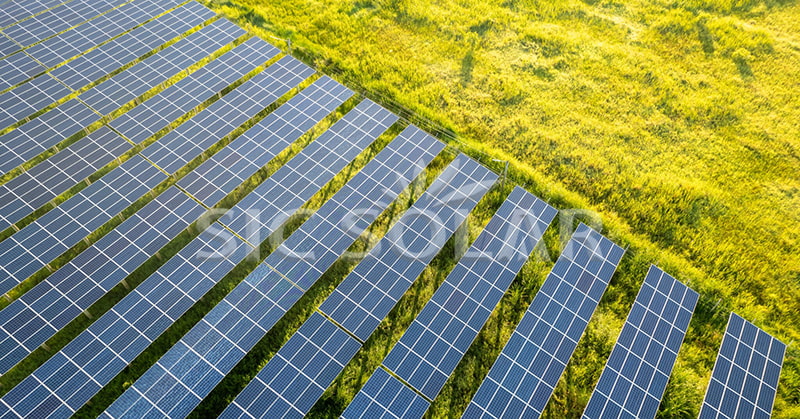
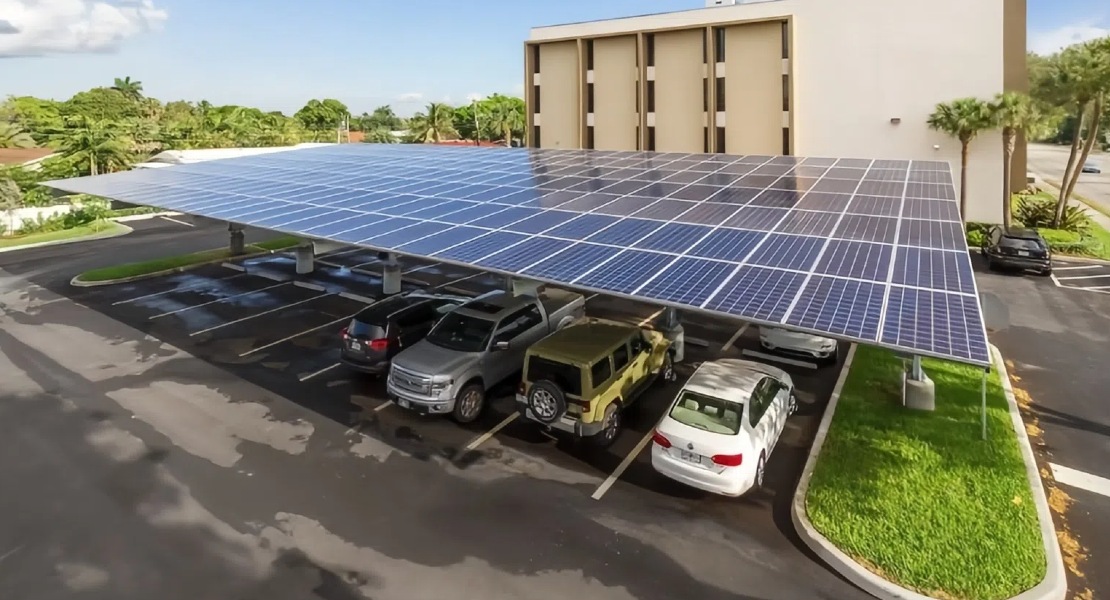
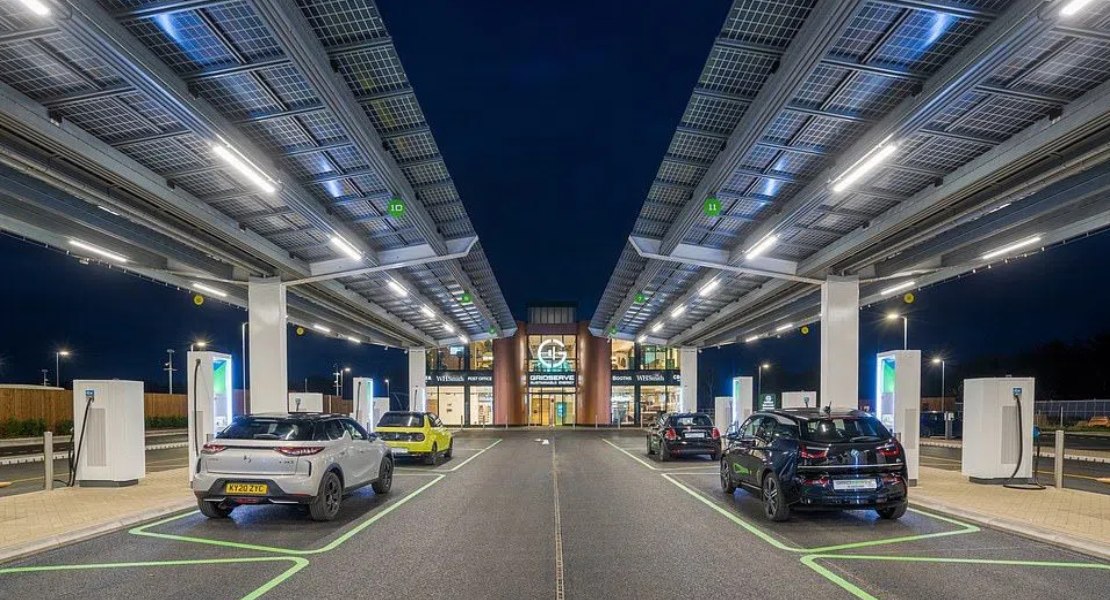
A solar canopy is a raised structure that supports solar panels, usually installed over open areas like parking spaces. In comparison to the rooftop solar setups, this setup will generate shaded spaces down the ground, and clean energy above. It converts virgin land to energy-generating property.

There is increasing demand in the need of both efficient and sustainable infrastructure. That's why many businesses are turning to solar panel parking lots —a strategic way to achieve clean energy goals without sacrificing space.

Why Use a Solar Canopy?

Installing a solar canopy is a practical step toward energy independence. It serves two purposes at once: creating power and shelter offering. This dual functionality makes it an ideal solution for commercial, industrial, and municipal properties.

Key Benefits:

  • Maximizes energy production without taking up extra space
  • Keeps vehicles protected from UV, rain, and snow
  • Reduces heat absorption in parking areas
  • Helps organizations meet renewable energy targets

These canopies are often seen in solar panel parking lots , where they help cut energy costs and improve site utility.


The Rise of Solar Panel Parking Lots

Solar panel parking lots are becoming essential in the shift toward green infrastructure. They offer an eco-friendly use of space, turning standard parking lots into power stations.

Systems like these are especially useful in cities and corporate campuses where roof space may be limited. A high-quality solar canopy improves efficiency, requires little maintenance, and boosts the property's value.


Why Professionals Choose Corigy?

Trusted by industry experts, Corigy provides cutting-edge solar mounting systems. Their modern cantilever solar canopy models offer superior durability and sleek aesthetics. Designed for various site needs, they make it easy for professionals to scale solar projects without extra land or complexity.

From engineering to execution, Corigy helps clients get the most out of every square foot.


Future-Ready and Functional

A solar canopy is not just a trend—it's a long-term solution. As energy prices continue increasing together with an increased demand of sustainability, the system is characterized by a high ROI. Adoption is even cheaper because there are many government programs that ask tax credits or incentives.

By investing in a solar canopy, businesses not only save money but also show commitment to a cleaner future.

FAQs

Q1. What is the main purpose of a solar canopy?

A solar canopy is designed to generate solar energy while providing covered shelter, mainly in parking lots or open spaces.

Q2. How efficient are solar panel parking lots?

Solar panel parking lots are highly efficient, especially when placed in areas with high sun exposure. They provide dependable electricity besides enhancing utilization of space.

Q3. Can I install a solar canopy in an existing parking lot?

Yes. A solar canopy can be added over existing parking structures with minimal disruption to daily use.

Q4. Is maintenance required for a solar canopy?

It does not require a lot of maintenance. Systems are maintained at the highest levels of performance through occasional cleaning as well as periodic inspections.

Q5. What is the reason behind companies buying solar canopies?

They supply clean power, minimize the energy cost, protect vehicles, and brand the environment well.


Continue
Advantages of Hydrogen Bikes

    Compared with traditional bicycles and electric bicycles, hydrogen bicycles have many significant advantages, which are mainly reflected in environmental protection, endurance and convenience of use, as follows:

1. Environmental protection and zero emission

    Hydrogen bicycles are powered by hydrogen fuel cells, which only emit water vapor when working, and are completely free of pollutants such as carbon dioxide and nitrogen oxides. They are far more air-friendly and environmentally friendly than fuel vehicles, and are also better than some electric vehicles that rely on thermal power generation for charging.

2. Long battery life

    A tank of hydrogen (usually a few dozen grams) can support a hydrogen-powered bicycle to travel 50-100 kilometers. The range is far longer than that of ordinary electric bicycles (usually 30-70 kilometers), and is close to or exceeds that of some fuel-assisted bicycles, which can meet the needs of medium and long-distance travel.

3. Fast hydrogenation speed

    It only takes 3 to 5 minutes to refill hydrogen, which is comparable to the refueling speed of a fuel vehicle and much faster than the several hours of charging time for an electric bicycle. This greatly reduces waiting time and improves usage efficiency.

4. Lightweight and flexible structure

    The weight of the hydrogen fuel cell system and hydrogen storage tank is relatively controllable, and the weight of the entire vehicle is usually lighter than that of an electric vehicle equipped with a large-capacity battery, making it more labor-saving to ride and easier to carry.

5. Stable low temperature performance

    Hydrogen fuel cells can still work normally in low temperature environments (such as -20℃), while the endurance of traditional lithium battery electric vehicles will be greatly reduced in low temperatures. Therefore, hydrogen bicycles are more practical in cold areas.

6. Low reliance on energy supplements

    Hydrogen can be produced in a variety of ways (such as electrolysis of water, industrial by-product hydrogen, etc.). If the hydrogen refueling station network is gradually improved in the future, its energy replenishment flexibility will be better than electric vehicles that rely on power grid charging.

    However, the popularization of hydrogen-powered bicycles currently still faces problems such as insufficient hydrogen refueling station facilities and high costs of hydrogen storage tanks. But in the long run, its advantages in environmental protection and endurance make it one of the important options for future green travel.

Continue
Comparison of Hydrogen Fuel Cell Power Systems and Hydrogen Internal Combustion Engines

    The basic principle of hydrogen fuel cells is to convert the chemical energy found in fuel into electrical energy through electrochemical reactions.The working principle of a hydrogen fuel cell involves hydrogen being broken down into electrons and hydrogen ions (protons) by a catalyst (platinum) in the fuel cell's anode. Protons pass through the Proton Exchange Membrane to the cathode, where they react with oxygen to form water and heat. The corresponding electrons flow from the anode to the cathode through an external circuit, generating electrical energy.The structure of hydrogen fuel cell stacks primarily consists of bipolar plates, membrane electrodes (proton exchange membrane coated with catalyst layer), gas diffusion layers, insulating plates, etc. Then, based on the stack, additional systems such as the air system, hydrogen system, electronic and electrical system, and water-thermal management system are integrated to form a hydrogen fuel cell power system, which is essentially a hydrogen fuel cell engine.

    Hydrogen internal combustion engines obtain power by burning hydrogen, and this type of engine, like conventional fuel engines, operates on four strokes: intake, compression, power, and exhaust, with hydrogen replacing conventional fuels.Taking the Cummins engine as an example, the structure of the hydrogen internal combustion engine is essentially similar to that of a natural gas engine, which includes components such as the cylinder block, crankshaft, cylinder head, ignition system, and mounting parts; parts of hydrogen internal combustion engines and diesel engines are also partly interchangeable, such as cylinder blocks, crankshafts, supports, flywheel housings, and other mounting components. The high degree of similarity and interchangeability of these components can utilize the economic advantages of Cummins hydrogen internal combustion engines, enhance equipment reliability, and provide crucial support in the industry's transition to low-carbon practices.

    The similarities between both require hydrogen and oxygen to participate in the reaction; All fuel storage units and hydrogen storage tanks are required; can power the vehicle. The difference is that the two generate energy in different ways, which also leads to a significant difference in efficiency, so fuel cell vehicles will have more mileage under the same hydrogen consumption; The way engines are built is also completely different; Fuel cells are more environmentally friendly than hydrogen combustion engines. In addition, there is no difference in the speed of energy release, and both internal combustion engines and fuel cells can achieve short-term high-power output.
    Compared with the two routes, the advantages of hydrogen fuel cells are high conversion efficiency, low pollution emissions, and high degree of commercial application, especially in terms of conversion efficiency, the thermal efficiency of hydrogen fuel engines is difficult to exceed 45%, while the conversion efficiency of hydrogen fuel cells can reach more than 60%.
    The advantages of hydrogen fuel engines are low cost (about 10% of fuel cells), low requirements for the purity of hydrogen, and the ability to be retrofitted with existing fuel engines. In addition, hydrogen internal combustion engines are more suitable for use in commercial vehicles such as medium- and heavy-duty trucks due to their higher output efficiency under high load conditions.

Continue
Hydrogen Energy The Rising Star of Future Energy​

Amid the dual pressures of global energy transition and environmental protection, hydrogen energy has emerged as a clean, efficient, and renewable energy source, capturing the attention of nations and industries worldwide.


Hydrogen energy is highly regarded due to its unique advantages. First,it boasts an exceptionally high energy density. With a combustion heat value of approximately 33.3 kWh per kilogram, hydrogen far surpasses traditional gasoline and diesel. This means hat, at the same weight, hydrogen delivers significantly more energy, enhancing overall efficiency. In the transportation sector, hydrogen fuel cell vehicles (HFCVs) benefit from long driving ranges and rapid refueling, making them a viable alternative to conventional internal combustion engine vehicles and reducing reliance on fossil fuels.


​​Second, hydrogen is a clean, zero-emission energy source. When combusted, it produces only water, emitting no CO₂ or harmful pollutants, thereby contributing to carbon reduction and improved air quality. In the context of global climate change mitigation, hydrogen energy plays a crucial role in achieving carbon peak and neutrality targets.

Moreover, hydrogen is renewable. It can be produced via water electrolysis or other renewable energy sources (such as solar and wind power), enabling a sustainable energy cycle.​

Hydrogen energy has broad applications, spanning transportation, power generation, and industrial uses.


Transportation:

Hydrogen fuel cell vehicles (HFCVs) represent a major application, offering ​​Zero emissions, extended range, and fast refueling compared to traditional vehicles. Several countries have already established hydrogen production facilities and pipeline networks to support this sector.

Power Generation:

Hydrogen serves as an energy storage medium and a grid-balancing resource. Excess renewable electricity can be converted into hydrogen via electrolysis and stored; when demand rises, hydrogen can be reconverted into electricity, enhancing grid stability and renewable energy utilization.

Industrial Use:

Hydrogen is widely used in chemical synthesis, metal refining, welding, and electronics manufacturing. It also functions as a coolant and reducing agent in industrial processes. While hydrogen applications in industry are already mature, ongoing technological advancements and cost reductions are expected to expand its role further.


As hydrogen production technologies evolve, this versatile energy carrier is poised to become a cornerstone of the sustainable energy future.

Continue
​​The Rise of Cathode-Sealed Air-Cooled Fuel Cell Stacks​

The "Blowout" of Cathode-Closed Air-Cooled Stacks is Coming With the gradual expansion of low-power application scenarios such as tourist buses, forklifts, unmanned aerial vehicles (UAVs), and two-wheeled vehicles, air-cooled stacks have slowly entered the vision of mainstream fuel cell applications. Cathode-closed air-cooled stacks, with their advantages of good environmental adaptability, durability, and simple maintenance, have attracted much attention in the air-cooled fuel cell technology route and become a hot spot of pursuit. 


Technical Characteristics and Application Status of Cathode-Closed Air-Cooled Stacks

Air-cooled stacks can be divided into two categories according to their structural characteristics: cathode-open and cathode-closed. Among them, the open cathode air-cooled stack: the cathode is directly exposed to the environment, and ambient air is introduced into the stack through devices such as fans. The air serves both as a source of reaction gas and as a heat dissipation medium.


The cathode-closed air-cooled stack is characterized by the fact that the cathode is not in direct contact with the environment, and air supply and heat dissipation are carried out separately. A dedicated air supply system, such as a blower or air compressor, is usually required to provide the oxygen needed for the reaction, and an independent heat dissipation system is used to remove the heat generated during the operation of the stack.


Compared with open cathode air-cooled stacks, cathode-closed air-cooled stacks are less affected by environmental factors (such as temperature, humidity, and air quality) due to the independent air supply and heat dissipation. Moreover, they can to a certain extent avoid the adverse impact of polluted air on the service life of fuel cells, resulting in better durability and longer service life.


"The performance of cathode-closed air-cooled stacks largely depends on the design of gas channels and manifolds to uniformly distribute the supplied air," said a technical director of a domestic stack enterprise. Cathode-closed air-cooled stacks require complex air supply subsystems, which may include compressors, humidifiers, air filters, etc. This also makes them relatively less affected by surrounding environmental conditions, especially temperature and humidity. 


Of course, the advantages of cathode-closed air-cooled stacks are based on their relatively complex structure, which also leads to their relatively higher cost compared with open cathode air-cooled stacks. As Gaogong Hydrogen Power learned in the survey, as of June 2025, under the premise of bulk procurement, the price of open cathode air-cooled fuel cells is generally more than 4,000 RMB/kW, and the price of cathode-closed air-cooled systems is at least 30% higher than the former.


At this stage, cathode-closed air-cooled stacks are suitable for high-power density applications (greater than 1A/cm²). The application scenarios require sufficient space for fuel cell auxiliary systems (cooling, air supply, and pretreatment subsystems), with a typical power range between 2 kW and 100 kW.


Overall, at this stage, as the fuel cell industry gradually expands from high-power water-cooled stack systems used in commercial vehicles and passenger cars to small and medium-power air-cooled stack systems such as UAVs, forklifts, and two-wheeled vehicles, the market expansion of closed air-cooled fuel cells has just begun. Whether it can seize more market share with its own advantages remains to be seen. From the perspective of future technological development trends, future research on closed air-cooled stacks needs to focus on minimizing support systems to reduce the complexity, parasitic load, and floor space of the overall system, as well as conducting system management and control to achieve optimal performance.


Continue
Project Update | Metal Roof Solar System in Zhangzhou, Fujian

We’re excited to share another successful project delivery by JinMega — a 473.06kW distributed PV project for Shanfeng in Zhangzhou. Fujian. From initial site entry on May 8 to grid connection on May 29, the project set a new internal benchmark for delivery speed — reflecting JinMega’s strong project execution capabilities.


This system adopts JinMega’s metal roof mounting solution, designed for high performance and long-term reliability on metal rooftops. Our mounting structures offer:


·Fast Installation:  Pre-assembled components reduce on-site labor time

·Strong Compatibility:  Fits various metal roof profiles

·Corrosion Resistance:  Engineered for coastal and industrial environments


With a balance of efficiency, strength, and simplicity, JinMega's mounting systems empower rooftop solar deployment across industrial and commercial sectors.

Looking to power your rooftops with speed and stability? Explore our Metal Roof Mounting Series — engineered for performance, built for results, please click here.


Continue
Project Update | Rooftop Solar System in Xiamen, Fujian

We’re proud to share the completion of a new 400kW rooftop PV project in Xiang’an, Xiamen. From contract signing at the end of April to grid connection on May 29, this project set a new internal record for JinMega—just 21 days from initial site entry to final commissioning. 


Designed with our ballast-based mounting system using concrete blocks, the installation delivers both structural stability and efficiency, perfectly suited for flat industrial rooftops where penetration is not permitted. The solution ensures ease of installation, minimized roof load, and long-term durability, even under coastal climate conditions. 

Looking for more high-performance rooftop solar solutions? Explore our latest systems here


Continue
Balcony Solar Mount Maximize Energy with a Smart Installation

Imagine that you're sipping coffee on your balcony while an invisible power station silently offsets your electricity bill. No yard, no roof access, no problem. This isn't sci-fi—it's the reality of modern balcony solar mount technology. For millions in apartments, condos, and urban homes, these ingenious systems are rewriting the rules of energy independence. Let's explore how you can tap into this revolution.

balcony solar mount

Why Your Balcony is a Secret Solar Powerhouse

Forget sprawling backyards. Balconies are the unsung heroes of urban solar:

  • Space Genius: Transform 10 sq ft into an energy generator.
  • Plug-&-Play Magic: Most systems connect like appliances—no electrician needed.
  • Instant ROI: Slash 10-30% off your electricity bill immediately.
  • Eco-Warrior Status: A single 600W reduces setup CO2 by ~1 ton annually—equivalent to planting 23 trees.

*"My landlord said 'no' to roof panels but didn't blink at my balcony setup. Now I save $45/month!" – Raj T., Toronto*

How Balcony Solar Mounts Actually Work

Unlike clunky rooftop rigs, a balcony solar mount system uses sleek, aerodynamic frames that clamp onto railings or bolt discreetly to walls. Solar panels feed power through a "plug-in solar device" (micro-inverter) directly into any outdoor outlet. The best part? Most regions waive permits for systems under 800W—though always verify local rules!

7 Benefits That'll Make You Rethink Your Balcony

  1. Rooftop? Not Required: High-rises, rented spaces, or historical homes—your balcony qualifies.
  2. Move-Friendly Power: Relocating? Unplug and take your investment with you.
  3. DIY Delight: Install most kits in <2 hours with basic tools (wrench, screwdriver).
  4. Storm-Proof Security: Modern mounts withstand 80+ mph winds when properly installed.
  5. Hidden Inflation Shield: Lock in energy costs as utility rates climb.
  6. Community Catalyst: Your often setup inspires neighbors (like Maria's Barcelona building with 27 solar balconies!).
  7. Stealth Aesthetics: Low-profile designs blend seamlessly with urban landscapes.

Your Pre-Installation Checklist: 5 Non-Negotiables

1. Structural Safety Scan:

  • Concrete balconies = ideal.
  • Wooden railings? Reinforce with horizontal braces.
  • Avoid cantilevered balconies without engineer approval.

2. Sunlight Forensics:

  • Use a free app like Sun Surveyor for 3-day light mapping.
  • South/West-facing? Gold standard. North-facing? Not hopeless—special mounts can optimize.
  • Watch for "solar thieves": AC units, seasonal shadows from buildings.

3. Regulatory Radar:

  • HOAs: Frame it as a "temporary balcony appliance."
  • Landlords: Highlight UL-certified safety and reversibility.
  • Utilities: Some require notification (rarely permits) for grid-tied systems.

4. Gear Quality Audit:

  • Avoid flimsy mounts: They risk panels becoming airborne debris.
  • Seek aircraft-grade aluminum frames with anti-corrosion coating.
  • Ensure IEC 61215 certification for panels and UL 1741 for inverters.

5. Future-Proofing:

  • Leave room for 1-2 extra panels.
  • Choose adjustable-angle mounts for seasonal optimization.

The Installation Lowdown: Simpler Than Assembling IKEA Furniture

Modern balcony solar mount kits prioritize user experience:

Step 1: Secure the Frame

  • Railing mounts: Tension clamps grip without drilling (perfect for renters!).
  • Wall mounts: Use corrosion-proof anchors for permanent setups.

Step 2: Panel Attachment

  • Slide panels into channels—tool-free systems exist!
  • Angle at 30°-40° (ideal for snow shedding and winter sun).

Step 3: Plug & Profit

  • Connect the micro-inverter to the outdoor outlet.
  • Download a monitoring app to track real-time savings.

Pro Tip: Cloudy climate? Opt for monocrystalline panels—they outperform in low light.

balcony solar mounting kit

Why Mount Quality is Your Silent Check

A cheap balcony solar mount risks thousands in damage. A premium mount? It's the invisible workhorse ensuring:

  • Safety: Certified wind/load ratings prevent disasters.
  • Longevity: Rust-proof materials survive coastal air and snow.
  • Efficiency: Precision angles boost energy harvest by 15-25%.

After stress-testing 12+ systems, I consistently recommend the Corigy Balcony Mounting Kit . Its German-engineered tension clamps and tool-free tilt adjustments solve 90% of urban solar headaches—making it a top choice for hassle-free energy harvesting.

Beyond Savings: The Ripple Effect You Create

When you install a balcony solar mount, you join a global movement:

  • Policy Change: Berlin now subsidizes balcony solar. Your adoption fuels local advocacy.
  • Grid Relief: Distributed solar reduces neighborhood blackout risks during heatwaves.
  • Value Boost: Studies show solar-equipped rentals command 3.5% higher prices.

Busting 4 Persistent Solar Myths

Myth 1: "Balcony systems don't generate meaningful power." Reality: A 600W setup (2-3 panels) powers refrigerators + laptops + LED lighting daily.


Myth 2: "Winter production tanks to zero." Reality: Snow reflects light! Panels often over perform in cold, sunny conditions.


Myth 3: "Installation requires an electrician." Reality: UL-certified plug-in systems are DIY-safe (always follow manuals!).


Myth 4: "Panels damage railings." Reality: Proper mounts distribute weight evenly—often <5 lbs per clamp.

Maintenance Made Mindless

  • Monthly: Wipe panels with 1:3 vinegar-water solution (5 mins max).
  • Seasonally: Adjust tilt—steeper in winter, flatter in summer.
  • Annually: Check bolt tightness and corrosion points.

Your Action Plan: From Dream to Kilowatts

  1. Calculate Needs: Track your kWh usage (check utility bills).
  2. Start Small: A single 300W panel kit tests viability.
  3. Gear Up: Prioritize mounts with >10-year warranties.
  4. Install Smart: Morning = best time for shadow-free setup.

"I started with one panel. Within a year, my whole building had them. Management even installed communal charging ports!" – Diego M., Mexico City

image of balcony solar mount

The Future is Balcony-Bright

Innovations are accelerating:

  • Integrated Solar Railings: Panels built into balcony structures (2025 launch).
  • AI Optimizers: Auto-tilting mounts that track sun via smartphone.
  • Community Virtual Plants: Pool balcony-generated credits with neighbors.

Conclusion

Let's be real: the energy revolution isn't just happening on sprawling suburban rooftops anymore. It's unfolding quietly on city balconies, high-rise terraces, and rented patios—anywhere someone dares to reimagine "home" as something more resilient. A balcony solar mount isn't just hardware; it's a key to energy democracy.

Think about what you've gained by considering this:

  • Freedom from Limits: No yard? Renting? Your balcony is now a viable power source.
  • Tangible Control: Slash bills now while hedging against future rate hikes.
  • Quiet Impact: That humble panel outside your window? It's actively shrinking your carbon footprint with every sunset.
Continue
How to install Solar Panel Mounting Brackets?

Getting solar panel mounting brackets right isn't glamorous work, but it's the most important part of your solar project. Get this wrong and you could end up with a rooftop breakdown, wobbly panels or worst still a leakage. This guide correctly peels off all the complications and provides you a clear realistic step-by-step path whether you are installing it on a suburban roof or on a business site.

Why Bracket Installation Can't Be Rushed

Imagine your solar array as a tree. The panels are the leaves, the rails are the branches—but the solar panel mounting brackets are the roots. If they're weak, the whole system fails. Here's why pros never cut corners:

  • Leak-free : improper seal of holes in roofs is an open invitation to water damages.
  • The lifetime of brackets : low-end brackets rust; high-end ones last between 25 years and above.
  • Efficiency : Unbalanced brackets will create an imbalanced tension in the panels reducing the amount of energy created.

Pro Tip : For tricky roofs (like tile or metal), skip “universal” brackets. Use specialized kits (like Corigy ’s tile hooks) to prevent cracks and leaks.

Your Toolkit: What You Really Need

Don't start without these:

  • Brackets & Rails : Must match your roof type (shingle/tile/metal/flat).
  • Lag Bolts : Stainless steel only—no substitutions! Torque
  • Wrench : The hero of this story. Guessing = failing.
  • Laser Level & Tape : Precision is non-negotiable.
  • Roof Sealant : Butyl tape or polyurethane. Waterproof every penetration.
  • Stud Finder: Rafter detection saves disasters. glasses. Never skip this.

Pre-Installation: Your Secret Weapon

1. Roof Health Check:

  • Inspect for rot, soft spots, or old leaks. Fix before drilling.
  • Verify load capacity (get an engineer's report for older buildings).

2. Smart Layout Planning:

  • Mark rafter centers with chalk lines.
  • Avoid vents, pipes, and weak zones.
  • Space solar panel mounting brackets 4-6 feet apart (follow rail specs).

3. Material Audit:

  • Check grades of confirm bolt and bracket load rating.
  • Look at corrosion-defeating lays (anodized aluminum takes the prize).

Installation: Simple Steps for Perfect Brackets

Step 1: Marking & Leveling

  • Find rafters : Use your stud finder, mark centers clearly.
  • Snap chalk lines : Follow rafter paths exactly.
  • Bracket spacing : Mark positions every 4-6 feet along lines.
  • Laser-check : Ensure <1/8” deviation over 20 ft. Crooked rails ruin everything.

Step 2: Securing Brackets

  • Seal holes: Apply sealant where bolts penetrate.
  • Drill pilot holes: Center on rafters—use the right bit size!
  • Bolt brackets: Hand-tighten lag bolts first.
  • Torque down: Crank to 35-55 ft-lbs (check manufacturer specs!).

Critical: Missing the rafter reduces strength by 80%. Double-check with a stud finder!

Step 3: Attaching Rails

  • Slide rails into bracket channels.
  • Secure at every bracket with set screws.
  • Verify rails are parallel (±2 mm tolerance).

Step 4: Mounting Panels

  1. Lift panels with suction handles (2-person job!).
  2. Clamp frames to rails:
    - End clamps for panel edges.
    - Mid clamps between panels.
  3. Torque clamps to 15-20 ft-lbs.
  4. Leave ¼” gaps between panels for heat expansion.

5 Mistakes That Destroy Mounting Systems

  1. Drilling Blind : Hitting sheathing, not rafters. Always verify with a stud finder.
  2. Ignoring Torque : Under-tightened bolts shake loose; over-tightened one's strip. Your torque wrench is sacred.
  3. Skipping Sealant : 1 hole which is not sealed = a future leak. Seal the way your check is phoned in.
  4. Intermixing of Metals : when the steel bolts are used with an aluminum bracket it leads to corrosion. Apply incompatible metals or dielectric washers.
  5. Forgetting Gaps : Zero expansion space cracks panels. Keep that ¼” buffer!

Maintaining Your Brackets for Decades

  1. Bi-Annual Inspections : - Check for cracks/rust on brackets.
    - Re-torque critical bolts.
    - Reseal any cracked sealant.
  2. After Storms : Scan for shifted panels or debris buildup.
  3. Debris Control : Keep brackets clear of leaves/pine needles.

Why Quality Brackets Pay for Themselves

Solar panel mounting brackets are the unsung heroes of your solar investment. Cutting corners here risks:

  • Costly rework ($1,500+ per leak repair)
  • Reduced panel lifespan
  • Voided warranties

Buy brackets that are UL-listed and corrosion-resistant that will fit your type of roof. Tile, slate or difficult metal roofs: consider engineered solutions such as tinker-specific kits like Corigy - With engineered kits like Corigy , 90 percent of the typical failures are avoided.


The bottom line, accuracy + high quality materials = 25 years of trouble free energy.

Wrapping Up: Secure Your Solar Investment

Nailing the installation of solar panel mounting brackets isn't just about bolts and rails—it's about peace of mind. In the event that brackets are mounted straight, waterproofed, and tightened precisely, your solar set-up endures blizzards, zeroes leaks, and provides clean energy during years to come. Shortcuts point to expensive repair, life jeopardized and energy wastage. In the case of tricky roofs such as tile or metal, use the special solutions of Corigy in order to achieve a weatherproof fit as strong as a rock. Reminder: top-quality brackets and professional accuracy only make a solar project good, then superb. Plant one time; reap forever.

FAQs: Solar Panel Mounting Brackets

Q: How do brackets attach to solar panels? A: They don't! Brackets bolt to roof rafters, rails snap onto brackets, and panels clamp onto rails. Brackets anchor the system; clamps hold panels.
Q: How many brackets per panel? A: Always 4 (2 top, 2 bottom). Spacing depends on local snow/wind loads—usually 4-6 ft apart. Never exceed engineering specs.

Q: Best mounting method? A: Depends on your roof:

  • Pitched roofs : Low-profile solar panel mounting brackets (minimal wind lift).
  • Flat roofs : Ballasted systems or penetration kits.
  • Ground mounts : Ideal for weak/shaded roofs.
Continue
Solar Profiles The Backbone of Every Solar Structure

Solar profiles are an unspoken pillar in the renewable energy environment of today. Not only are they structural supporters, but there are also facilitators within the solar panel systems in terms of efficiencies and sustainability. The list of where the solar profile can be used is endless: on rooftops, ground mounts, huge utility projects, and so on. In all these applications, the right solar profile is crucial.

What Are Solar Profiles?

Structural metal that is used to mount and support photovoltaic (PV) panels and hold the photovoltaic (PV) panels in place is referred to as solar profiles. These are aluminium or stainless steel rails, brackets, clamps and framing materials. They have been designed in such a way that the solar panels remain in place with wind, rain, and bright sun.


Applied in both commercial and residential solar systems, they are not only a mounting structure, but they also improve the performance of the system by ensuring that it meets the desired tilt of the panel and air circulation.

Why the Right Solar Profile Matters

The selection of an appropriate solar profile also defines the life of the system and its performance in terms of cost-effectiveness and eco-friendly functioning. However sophisticated panels have to be, they require strong and rust-proof frames to operate efficiently.


A poor construction would interfere with energy production. Meanwhile, the good quality of solar profiles that are engineered with precision guarantees greater exposure to sunlight and less maintenance of the system.


Quite curiously, most of the companies, such as Corigy, have been making a subtle impact on finalising the market with the ability to make profiles that are designed in such a way that they can last a long time and work with ease. Their technological orientation has made it possible to support numerous solar initiatives that remain stagnant on the most intense environmental challenges.

Types of Solar Profiles in Use Today

Modern solar structures require diverse mounting solutions. Some of the common solar profiles found depending on the project location and design include:

  • Aluminium Rails: Lighter in weight, suitable in a rust-free condition and not hard to fix.
  • Stainless Steel Brackets – The stainless steel brackets are characterised by great strength and durability.
  • Tiltable Mounts – There are those that are good at changing angles according to the movement of the sun.
  • Ground Mount Structures – They could be used when a solar farm or a large-scale installation is desired.
  • Roof Profiles – This was designed with strictly sloped roofs or flat rooftops in mind.

Every component has an exclusive way to go in the work of the system, although everything should cooperate. A panel to profile compatibility is essential so that no stair stress fractures or energy losses can take place in the future.

Features to Look for in Quality Solar Profiles

When choosing solar mounting systems, the installers tend to consider a few points. These include:

  • Corrosion Resistance – The solar structures are subjected to the elements, and thus an anodised aluminium or galvanised steel material provides long-term protection.
  • Load-bearing capacity profiles have to support wind loads and snow on the surface without deformation.
  • Modular Design – Profiles, which help in plug-and-play assembly, minimise the time used in the labour.
  • Certifications – International standards provide that the product is safe and works well.
  • Thermal Expansion Tolerance: metal expands and contracts relative to changes in temperature; thus, well-designed products do not become loose through time.

These are all the factors that would come into play to find out the sustainability and the ROI of a solar project.

How Solar Profiles Influence Project Economics

It's not just about physical support. The design of solar profiles can also directly influence the installation cost and payback period. A streamlined profile can reduce installation time, labour cost, and transportation needs.

Many solar contractors report that using smart-profile systems results in fewer on-site errors and faster commissioning. That's why reliable profiles are not seen as just parts—but as critical investments in the overall energy system.

When comparing options, project developers often prefer suppliers that provide integrated systems, technical support, and product guarantees. An experienced manufacturer such as Corigy, for example, uses material science with engineering to provide solar profiles that balance cost, strength and installation speed. Their name may not be in all the news, but their structural solutions are rampant throughout the world of installations.

Real-World Example: A Windy Challenge

A recent coastal solar farm project faced severe wind-load requirements. Engineers were unsure whether conventional mounting would hold. The answer was found in the advanced solar profiles constructed in a form of reinforced aluminium rails with angled wind deflectors.

The panels not only survived the weather, but it was also easy to service because of intelligent modular design. This case illustrates quite well that solar profiles are not merely simple constructions; they are designed solutions to the complex environmental problems.

Future Trends in Solar Profiles

Innovation in this field continues to grow. With the rise of floating solar farms and solar carports, solar profile designs are evolving rapidly. Some trends to watch:

  • Light and strong materialsNew alloys and composite materials will be able to decrease weight without the loss of strength.
  • Integrated Wiring Channels – To enhance beauty and lessen the cluttering.
  • Tool-Free Assembly – Snap-fit parts are becoming the conventional order of the industry.
  • Stress Testing AI – The world is also seeing manufacturers begin to use digital simulation techniques to replicate extreme conditions during pre-production test conditions.
  • Custom Designed Technicalities – Designed to conquer rough terrains such as hillsides or the desert.

These innovations are altering the way solar systems come into operation and are maintained, with the long-term costs falling.

How to Choose the Right Supplier for Solar Profiles

Not all solar profile suppliers offer the same value. When evaluating manufacturers or wholesalers, consider:

  • Years of experience in solar structure manufacturing
  • Global certifications like ISO or TUV
  • In-house R&D and testing capabilities
  • Responsiveness of technical support
  • Willingness to offer custom solutions

Suppliers that meet these benchmarks will help your project achieve faster deployment, better efficiency, and longer structural life. Hidden among top-tier providers, some companies quietly lead the market with quality and service that exceeds expectations—you might discover one during your research.

Final Thoughts: The Unsung Heroes of Solar Energy

Solar profiles don't often get the spotlight, but without them, no solar system can stand. They're the invisible strength behind every clean energy initiative. They do not just add structural support; they also alleviate risk, strengthen ROI, and guarantee long sustainability.

Whether on the tops of the skyscrapers or in sun-soaked fields, they promise to hold a brighter future, one panel at a time.

There can also be no doubt about the next time you think about solar energy. You do not think about panels, but you think about the system that makes it all possible.


Continue
Home Archives