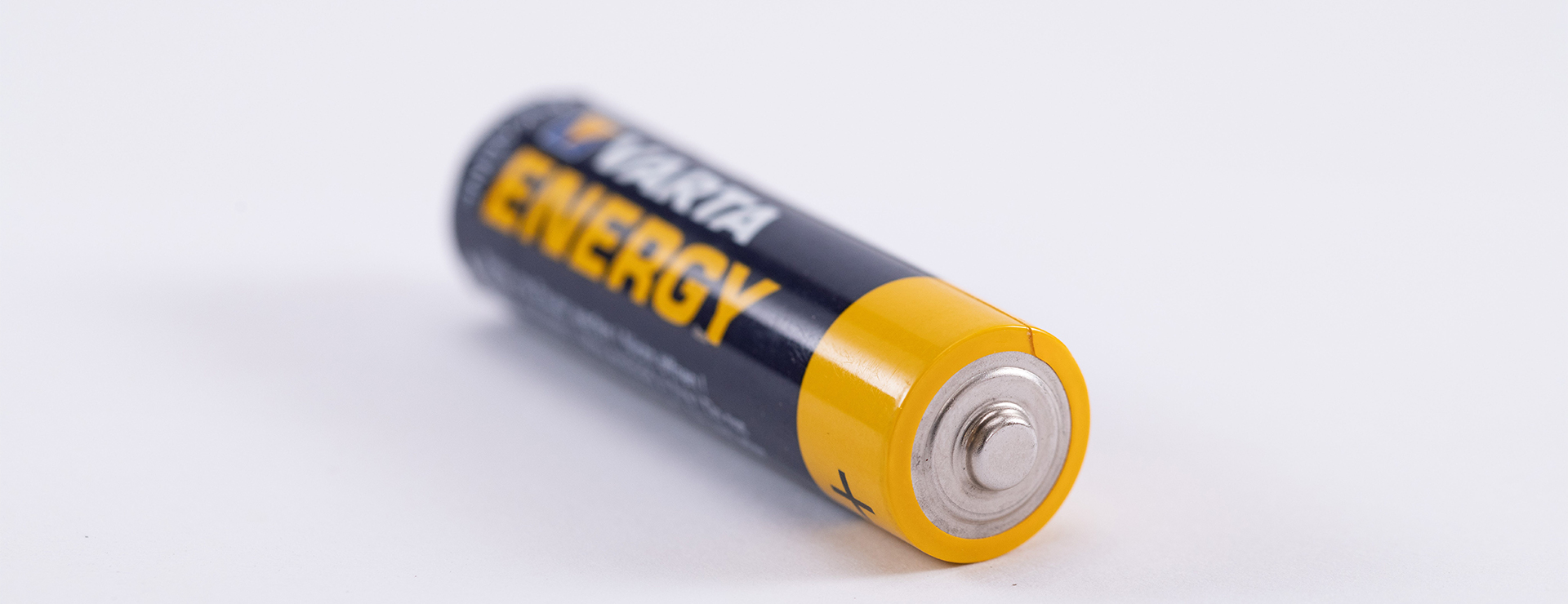
How to distinguish between energy storage batteries and power batteries?

With the development of new energy technologies, lithium batteries have been widely used in many fields. Among them, energy storage batteries and power batteries are the two most common application types. Although they are both based on lithium battery technology, they have significant differences in design goals, performance requirements and application scenarios.

As a professional energy storage battery manufacturer, GreenMore focuses on the research and development of home and commercial energy storage systems. This article will analyze for you from a professional perspective: the difference between energy storage batteries and power batteries, to help you understand the application characteristics of these two types of batteries more clearly.


energy storage battery


1. Definition Difference

  • Energy Storage Batteries

Energy storage batteries are mainly used for power storage and dispatching, and are commonly found in home photovoltaic energy storage systems, grid peak regulation, microgrid power supply, etc. Their core task is to stabilize energy storage and release to meet long-term energy regulation needs.

  • Power battery

Power batteries are mainly used in electric vehicles, electric bicycles, electric tools and other fields, responsible for providing power for driving motors. Their core task is to quickly release a large amount of energy to drive the vehicle.

2. Performance Parameters Comparison


Parameter Energy Storage Battery Power Battery
Energy Density Higher (focus on capacity) High (balance between power and weight)
C-rate Low to medium magnification (0.2C–1C) High magnification (1C–5C)
Cycle Life Long (more than 6000 times) Relatively short (2000–4000 times)
Operating Temperature Range Broad but relatively stable Wider, adaptable to frequently changing environments
Security Requirements Very high (long-term static operation) High (thermal runaway protection in dynamic use)


GreenMore's energy storage products use high-quality lithium iron phosphate (LiFePO₄) batteries with ultra-long cycle life and excellent safety performance, and are designed for optimized home and commercial energy management.

3. Different design focuses

Energy storage batteries focus on "durability" and "stability"

  • Emphasis on long-term operational reliability, suitable for multiple charging and discharging per day
  • Supports deep discharge (DoD up to 95%) to increase available capacity
  • Internal structure optimizes heat dissipation to prevent overheating due to long-term operation
  • Modular design facilitates expansion, such as GreenMore's stacked energy storage battery supports flexible expansion

Power batteries focus on "instantaneous output capability" and "lightweight"

  • Requires high power output to support vehicle acceleration and hill climbing
  • More focus on energy density per unit volume/weight
  • Liquid cooling or air cooling system is usually used to cope with the heat fluctuation caused by frequent start and stop
  • More sensitive to cost control to reduce vehicle prices


Power battery


4. Differences in application scenarios

Typical application scenarios of energy storage batteries:

  • Home photovoltaic energy storage system
  • Commercial battery storage cabinets
  • Microgrid and off-grid power supply systems
  • Peak load reduction

Typical application scenarios of power batteries:

  • Electric Vehicles (EV)
  • Electric buses
  • Electric two-wheelers and scooters
  • Golf Cart
  • Construction machinery and drones

GreenMore focuses on energy storage applications and is committed to providing users with efficient, safe and intelligent home and industrial energy storage solutions.

5. Why can’t they be mixed?

Although some battery technologies can be used interchangeably, from the perspective of engineering practice, energy storage batteries are not suitable for electric vehicles, and power batteries are not suitable as the main configuration of energy storage systems for the following reasons:


Question Using power batteries for energy storage Use energy storage batteries as power
Life loss Frequent shallow charging and discharging accelerates aging High rate discharge can easily generate heat and shorten the lifespan
Cost efficiency High unit cost and low cost performance Insufficient performance to meet high power demands
Security Risks BMS design is not optimized for static energy storage Thermal management and protection mechanisms are not suitable for power scenarios


Therefore, when selecting a battery system, the corresponding type should be matched according to actual use to avoid performance waste or safety hazards.

6. GreenMore's energy storage battery advantages

GreenMore has been focusing on the energy storage field for many years, and its products include:

  • Wall-mounted energy storage battery: saves space and is suitable for home installation
  • Stacked energy storage battery: modular design, supporting flexible expansion
  • Home energy storage system: integrating photovoltaic, inverter and intelligent monitoring
  • Commercial battery energy storage cabinet: suitable for industrial and commercial users to reduce peak loads and fill valleys, and energy management

We always adhere to the product concept of high performance, high safety and long life to ensure that each energy storage system can meet the growing energy management needs of modern families and businesses.

Conclusion

Although energy storage batteries and power batteries belong to the same lithium battery family, they are significantly different in performance indicators, design focus and application scenarios. Choosing the right battery type is crucial to the stability, economy and service life of the system.

If you are considering deploying an energy storage system for your home or business, it is recommended to give priority to battery products designed for energy storage. GreenMore provides you with a one-stop energy storage solution to help achieve a green, smart and sustainable energy future.

Contact GreenMore Technical Team:

Website: www.gmsolarkit.com

Email: export@gmsolarkit.com

Tel: +86-18155260624


Continue
What is a BIPV system?

With the rise of green building concepts and the development of renewable energy technologies, Building-Integrated Photovoltaics (BIPV) is becoming an important part of sustainable energy solutions for future cities. As a manufacturer focusing on the research and development and application of energy storage technology, GreenMore is committed to providing efficient, safe and intelligent energy storage solutions for BIPV systems.

This article will analyze for you from a professional perspective: What is a BIPV system? What are its advantages? And the key role played by the energy storage system in it.

1. Definition of BIPV system

BIPV is a building-integrated photovoltaic power generation system. Different from the traditional photovoltaic system installed on the roof or ground, BIPV integrates solar cell modules directly into the structure of the building, such as the roof, curtain wall, windows, sunshades, etc., so that it has both power generation function and architectural aesthetic characteristics.

In short, BIPV is not only a power generation system, but also a part of building design.

  • Material-level integration: BIPV components must meet the specifications of building mechanics, fire protection, waterproofing, etc. For example, the use of 1156mm wide aluminum-zinc-magnesium trapezoidal tiles and 1134mm wide photovoltaic components without rail fixing technology, through hidden screws and waterproof gaskets to achieve zero roof seepage, wind resistance of 376 kg, and life span of the same frequency as the building.
  • Photoelectric conversion path: Monocrystalline silicon cells (efficiency 22%-25%) and cadmium telluride thin-film cells (strong response to weak light) are combined according to the scene to achieve an adjustable light transmittance of 10%-50% for the building facade. The four-way ventilation design under the components improves the power generation efficiency by 8%-12% compared with the traditional BAPV system.
  • System architecture: The grid-connected BIPV system consists of photovoltaic modules, combiner boxes, high-frequency inverters, energy storage batteries and smart meters. Among them, the high-frequency inverter converts direct current into pure sine wave alternating current to achieve grid parallel or off-grid switching.

2. Core features of BIPV system

  • Versatility

BIPV components are not only used to generate electricity, but also undertake the functions of traditional building materials, such as heat insulation, sun shading, lighting, waterproofing, etc.

  • Save space

Since photovoltaic panels are directly integrated into the building structure, no additional land resources need to be occupied, which makes them particularly suitable for densely populated urban areas.

  • Improving building energy efficiency

Through reasonable design, BIPV can significantly reduce the overall energy consumption of buildings and improve energy self-sufficiency.

  • Green and Environmentally Friendly

Utilizing solar energy, a clean and renewable energy source, can reduce carbon emissions and meet the requirements of the “dual carbon” goals.

3. Typical application scenarios of BIPV systems

  • Commercial buildings

BIPV components can be integrated into the exterior walls, glass curtain walls and roofs of large public buildings such as office buildings, shopping malls and convention and exhibition centers.

  • Residential buildings

Villa roofs, balcony sunshades, awnings and other locations can be used to install beautiful and efficient photovoltaic components.

  • Infrastructure

Infrastructure such as bus stops, parking lot roofs, and rail transit stations can also use BIPV systems to generate electricity for their own use.

  • Industrial Plant

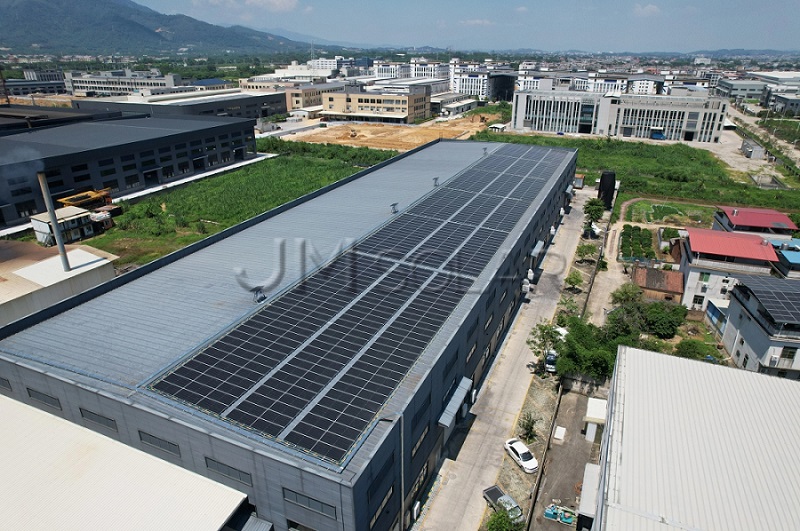
The factory building has a large roof and facade area, which is very suitable for deploying BIPV systems and combining them with energy storage systems to achieve closed-loop management of green electricity in the factory.


BIPV system

4. The role of energy storage system in BIPV

Although BIPV can generate electricity during the day, its power supply is intermittent and fluctuating, and cannot meet the power demand around the clock. Therefore, in modern BIPV systems, energy storage systems are becoming indispensable.

  • Improve energy utilization: Store excess photovoltaic power generated during the day and use it at night or on cloudy days.
  • Enable off-grid/hybrid operation mode: Enhance system independence and reliability, especially for remote areas or environments with unstable power grids.
  • Reduce peak loads and fill valleys to save electricity costs: In commercial scenarios, energy storage systems can help users avoid using electricity during peak electricity price periods.
  • Intelligent management and remote monitoring: Real-time monitoring of power generation, storage and consumption through the Energy Management App.

GreenMore provides a variety of energy storage products suitable for BIPV systems, including:

  • Wall-mounted energy storage battery: saves space, suitable for homes and small offices;
  • Stacked energy storage battery: modular design, easy to expand and upgrade;
  • Commercial battery energy storage cabinets: suitable for centralized energy management in large buildings and industrial parks.

5. How to build a complete BIPV+energy storage system?

  1. Evaluate building conditions and lighting resources: determine factors such as available area, orientation, and shadowing.
  2. Choose the appropriate BIPV component type: such as translucent type, semi-translucent type, color photovoltaic panels, etc., taking into account both aesthetics and efficiency.
  3. Configure high-performance inverters: Select grid-connected inverters or hybrid inverters according to the system scale.
  4. Use GreenMore energy storage system: Select energy storage batteries with appropriate capacity according to the average daily power consumption and load curve.
  5. Access to the intelligent energy management system: realize automated scheduling and optimization of power generation, storage and consumption.

The BIPV system represents the direction of future building energy transformation - deeply integrating clean energy technology with architectural design to create a greener, energy-saving and intelligent urban environment. The energy storage system is the key link in achieving energy balance and efficient utilization in this system.

GreenMore will continue to promote innovation in energy storage technology and provide reliable, efficient and flexible energy storage solutions for various BIPV projects. Whether it is a family residence, commercial building or industrial plant, we can customize the most suitable energy storage system according to your actual needs to help you move towards a zero-carbon future.

If you are planning a BIPV project and want to learn how GreenMore energy storage products can empower it, please visit our official website www.gmsolarkit.com or contact a professional consultant (email: export@gmsolarkit.com) for detailed information.


Continue
What is a container energy storage system?

As the global energy structure transforms towards clean and intelligent energy, containerized energy storage systems (Containerized Energy Storage System), as modular and standardized energy storage solutions, are being widely used in the fields of households, industry and commerce, microgrids and energy supply in remote areas. As a company focusing on the research and development and manufacturing of energy storage systems, GreenMore provides high-performance and scalable containerized energy storage systems to help users achieve efficient, flexible and sustainable energy management.

This article will introduce the definition, technical advantages and typical application scenarios of container energy storage systems from a professional perspective to help you fully understand this key component of future energy infrastructure.

1. What is a container energy storage system?

The container energy storage system is a modular energy storage device that uses a standard container as the outer shell carrier and integrates core components such as battery modules, battery management system (BMS), power storage converter (PCS), thermal management system, fire protection system, and monitoring system. It has the characteristics of high integration, easy transportation, and flexible deployment, and is suitable for power storage needs in a variety of complex environments.

GreenMore's container energy storage system uses lithium iron phosphate (LiFePO₄) batteries, which have high safety, long cycle life and excellent thermal stability, making it an ideal choice for building a modern energy system.


2. Core advantages of container energy storage system

  • Modular design, flexible expansion

Multiple container units can be freely combined according to project requirements, supporting flexible configuration of capacity from tens of kWh to several MWh.

  • Standardized production, rapid deployment

The industrial-grade container structure is adopted, and most of the assembly work can be completed in the factory. The on-site installation period is short, which is particularly suitable for overseas export projects.

  • Strong environmental adaptability

With a protection level of IP54 or above, it is dustproof, waterproof and corrosion-resistant, and can operate stably in a variety of harsh environments such as high temperature, high humidity, and salt spray.

  • Intelligent monitoring and remote operation and maintenance

Equipped with GreenMore Energy Management intelligent management system, it can realize real-time monitoring and remote control of charging and discharging status, temperature, SOC, fault warning and other information.

  • High security

It has built-in multiple protection mechanisms, including overvoltage, overcurrent, short circuit, and temperature control protection, and has passed multiple international certifications such as CE and UL.


Container energy storage system


3. Typical application scenarios of container energy storage systems

  • Industrial and commercial peak load reduction

Discharging during peak electricity price periods and charging during off-peak periods can help companies significantly reduce electricity costs.

GreenMore's containerized energy storage cabinet supports bidirectional power regulation in grid-connected mode, making it an ideal choice for participating in electricity market arbitrage.

  • Independent power supply in remote areas

In mountainous areas, islands, agricultural bases and other areas with insufficient grid coverage or no grid access, off-grid microgrid systems are built by combining clean energy such as photovoltaics and wind power to ensure long-term and stable power supply.

  • Emergency backup power supply

Used in key facilities such as hospitals, data centers, and communication base stations, it can quickly switch to energy storage power supply when the main power grid is interrupted to ensure the continuous operation of important loads.

  • New energy supporting energy storage

Cooperate with large-scale photovoltaic power stations, wind farms and other renewable energy projects to smooth out power generation fluctuations, improve the grid's acceptance capacity, and meet the new energy distribution and storage policy requirements of various countries.

  • Mobile energy storage applications

In scenarios such as emergency rescue, military logistics, and field exploration, container energy storage systems can be quickly deployed to provide mobile power support.


4. Advantages of GreenMore container energy storage system

The container energy storage system provided by GreenMore is based on advanced battery technology and intelligent management system, and has the following significant advantages:

  • High energy density: higher energy storage efficiency per unit volume;
  • Ultra-long life: Designed cycle life exceeds 6,000 times, and stable operation for more than 10 years;
  • Strong compatibility: compatible with mainstream inverter brands and supports multiple communication protocols (Modbus, CAN, MQTT, etc.);
  • Safe and reliable: flame-retardant materials and multiple protection mechanisms are used to ensure zero hidden dangers in system operation;
  • Global service support: Provide customized solutions and localized technical support for overseas markets.

5. How to choose a suitable container energy storage system?

When purchasing a container energy storage system, it is recommended to focus on the following aspects:

Evaluation Dimensions GreenMore Recommended
System Capacity Choose 50kWh~1MWh and above specifications according to power load and usage objectives
Output Power Match peak load requirements and support multiple power ranges from 30kW to 500kW
Battery Type It is recommended to use lithium iron phosphate batteries, which take into account both safety and life.
Protection and heat dissipation It is recommended to use forced air cooling or liquid cooling system for outdoor use to adapt to high temperature environment
Intelligent management system Support remote monitoring, data analysis and automatic alarm functions

6. Conclusion

Container energy storage systems are becoming one of the important infrastructures to promote global energy transformation due to their high integration, flexible deployment, and convenient maintenance. Whether it is peak load shifting for industry and commerce, energy supply in remote areas, or energy storage supporting new energy, container energy storage has shown great application potential.

GreenMore is committed to providing global customers with safe, intelligent and efficient container energy storage solutions, covering multiple product lines such as wall-mounted energy storage batteries, stacked energy storage batteries, home energy storage systems and industrial and commercial energy storage systems to meet diverse energy management needs.

If you are planning a large-scale energy storage project or need a customized solution for container energy storage system, please visit GreenMore official website www.gmsolarkit.com to contact our international business team for professional consultation and technical support.


Continue
What is a high frequency solar inverter?

With the rapid development of renewable energy technology, solar inverters, as the "heart" of photovoltaic systems, have a direct impact on energy conversion efficiency and system stability through technological iteration. As a company deeply involved in the field of energy storage batteries, GreenMore combines years of industry experience to analyze the technical principles, core advantages and application scenarios of high-frequency solar inverters, helping users build efficient and intelligent photovoltaic storage integrated systems.

1. Working principle of high frequency solar inverter

High-frequency solar inverters use high-frequency DC/AC conversion technology, and its core process can be divided into three steps:

  1. Low-voltage DC boost: Through PWM (pulse width modulation) technology, the low-voltage DC power (such as 12V/24V) output by the solar panel is converted into high-frequency low-voltage AC power (frequency is usually above 20kHz).
  2. High-frequency transformer boost: High-frequency AC power is boosted to high-voltage DC above 300V by a high-frequency transformer, achieving miniaturization (traditional industrial frequency inverters require bulky 50Hz transformers).
  3. Inverter output: Through the precise control of IGBT fully controlled devices, high voltage DC is inverted into 220V/50Hz pure sine wave AC to meet the load requirements of household appliances, industrial equipment, etc.

Compared with traditional industrial frequency inverters, the high-frequency design reduces the equipment volume by more than 50% and the weight by 40% through high-frequency switching devices and micro-transformers, making it particularly suitable for distributed photovoltaic scenarios with limited space.

Core Features:

  • No power frequency transformer design
  • Small size and light weight
  • High conversion efficiency
  • Fast response speed and good dynamic performance

2. Advantages of high-frequency solar inverters

  • High conversion efficiency

Due to the use of advanced power electronics technology and optimized topology, the overall conversion efficiency of high-frequency inverters can usually reach more than 95%, which is much higher than that of traditional low-frequency inverters. This means less energy loss and higher power generation utilization.

  • Small size, easy to install

Since high-frequency inverters do not rely on bulky transformers, they are smaller and lighter overall, making them particularly suitable for home environments or distributed energy projects with limited space.

  • Lower costs

High-frequency inverters have relatively low manufacturing costs and are easy to mass-produce, so they are more price competitive in the market.

  • Fast response and strong adaptability

High-frequency inverters have faster load response capabilities and can quickly adapt to changes in light intensity and load fluctuations, improving system stability and reliability.


High Frequency Solar Inverter Principle


3. Typical application scenarios of high-frequency solar inverters

  • Home photovoltaic energy storage system

For ordinary household users, high-frequency inverters are very suitable for small rooftop photovoltaic systems with GreenMore's wall-mounted energy storage batteries or stacked energy storage batteries to achieve closed-loop energy management of self-generation, self-energy storage and self-use of electricity.

  • Commercial distributed photovoltaic projects

In small and medium-sized commercial photovoltaic projects such as office buildings and factory roofs, high-frequency inverters have become one of the mainstream choices due to their high efficiency, low cost and easy maintenance.

  • Off-grid/hybrid system applications

In conjunction with GreenMore's home energy storage system or commercial battery energy storage cabinet, high-frequency inverters can be used to build efficient and reliable off-grid or grid-connected hybrid energy systems to meet a variety of power supply needs.


4. High frequency vs low frequency inverter: How to choose?

Feature High Frequency Inverter Low Frequency Inverter
Conversion efficiency High (more than 95%) Lower (about 85%)
Volumetric Weight Small and light Big and heavy
Impact resistance Low High
Cost Low High
Applicable scenarios Household, small and medium business Industrial, high power, harsh environment

As you can see, high-frequency inverters are more suitable for users who focus on efficiency, cost, and space utilization, while low-frequency inverters are suitable for industrial-grade scenarios that need to withstand high impact loads or operate for long periods of time.

5. Purchase Guide: How to match GreenMore energy storage products?

  • Power matching: Select the inverter power according to the GreenMore energy storage battery capacity. For example, a 5kWh wall-mounted battery is recommended to be paired with a 3kW-5kW high-frequency inverter to ensure maximum charging and discharging efficiency.
  • Output waveform: Give priority to pure sine wave output models to avoid harmonic interference of square wave/modified wave inverters on motor loads (such as water pumps and refrigerators).
  • Communication protocol: Select an inverter that supports RS485/CAN bus communication, which can be linked with the GreenMore Energy Management System (EMS) to achieve remote monitoring, fault warning and strategy optimization.

When purchasing a high-frequency inverter, it is recommended to focus on the following points:

  1. Rated output power: ensure that it matches your PV system capacity and load requirements;
  2. Maximum input voltage and MPPT range: to adapt to PV modules of different specifications;
  3. Conversion efficiency: The higher the better, which directly affects the power generation revenue;
  4. Protection level and heat dissipation performance: ensure long-term stable operation of the equipment;
  5. Compatibility: whether it supports seamless integration with GreenMore energy storage batteries;
  6. Brand and after-sales service: Choose a strong and reputable brand, such as Growatt, GreenMore, GoodWe, HUAWEI, etc., to ensure worry-free after-sales service.

With the development of photovoltaic power generation technology, high-frequency solar inverters have become the preferred configuration for home and small and medium-sized commercial photovoltaic systems due to their advantages of high efficiency, small size and low cost. Combined with GreenMore's high-quality energy storage products, you can easily build an efficient, intelligent and sustainable home or business energy management system.

If you need to learn about product adaptation solutions or technical consultation, please visit GreenMore's official website www.gmsolarkit.com or contact our technical team (email: export@gmsolarkit.com). We will provide you with professional product support and customized services to help you move towards a green energy future.


Continue
What is a low frequency solar inverter ?

In a solar photovoltaic system, the inverter plays a vital role. It is responsible for converting the direct current (DC) generated by the photovoltaic panels into alternating current (AC) for home and commercial use. According to their operating frequencies, inverters are mainly divided into high-frequency inverters and low-frequency inverters. This article will introduce the characteristics, advantages and applicable scenarios of low-frequency solar inverters in detail from the professional perspective of GreenMore.

1. Working principle of low frequency solar inverter

Low-frequency solar inverters use power frequency transformers to convert direct current (DC) to alternating current (AC), and their core operating frequency is 50Hz or 60Hz. Compared with high-frequency inverters, low-frequency solutions use the principle of electromagnetic induction to achieve voltage amplitude adjustment and electrical isolation through transformer windings. This design retains the stability advantage of traditional power frequency transformers, while reducing harmonic interference by optimizing the filter circuit, and the output waveform is closer to a standard sine wave.

At the structural level, low-frequency inverters usually include DC input, full-bridge inverter circuit, power frequency transformer, filter circuit and control module. Among them, the power frequency transformer, as a key component, undertakes the dual functions of voltage conversion and safety isolation. Its core material is made of high-permeability silicon steel sheets to effectively reduce hysteresis loss and eddy current loss.

Key features of low frequency inverter:

  • High power output: Low frequency inverters are able to handle higher power loads due to the use of conventional oversized transformers.
  • Better shock resistance: suitable for starting equipment that requires instantaneous high power, such as motors, refrigerators, etc.
  • More stable performance: It has stronger adaptability to power grid fluctuations, especially excellent performance in harsh environments.

2. Advantages of Low Frequency Solar Inverter

  • High reliability and long life

Because their design is based on mature power frequency technology, low-frequency inverters have high mechanical strength and electrical stability. This enables them to maintain efficient operation for a long time and reduce maintenance requirements.

  • Excellent overload capability and peak power support

Low-frequency inverters can withstand overload conditions for a longer period of time and provide strong peak power support, which is especially important for starting high-power electrical appliances.

  • Better thermal management

Compared with high-frequency inverters, low-frequency inverters can maintain good working conditions under high temperature conditions because they use a larger heat dissipation area and a more effective cooling mechanism.


Principle of low frequency inverter

3. Application scenario analysis

  • Home energy storage system

For households with many home appliances, choosing a reliable low-frequency inverter can ensure stable power supply even during peak power demand periods. For example, the low-frequency inverter provided by GreenMore’s home energy storage system can not only effectively manage daily power consumption, but also provide continuous backup power in emergencies.

  • Commercial and industrial use

In commercial buildings or factory environments, power demand is often greater and more diverse. Low-frequency inverters are one of the ideal solutions due to their excellent overload capacity and stability. The low-frequency inverters equipped in GreenMore commercial battery energy storage cabinets can meet various complex power needs, helping users achieve energy cost savings and green transformation.

  • Remote areas far from the city power grid

In these places, the power supply is unstable or there is a lack of grid access. The powerful functions of low-frequency inverters make them the first choice for independent solar power generation systems to ensure the basic living electricity of local residents.

4. How to choose a suitable low-frequency solar inverter?

GreenMore recommends users to make comprehensive decisions based on load characteristics, environmental conditions and cost budget:

  • Scenarios requiring high reliability: Prioritize low-frequency solutions with an MTBF (mean time between failures) greater than 100,000 hours and a maintenance cycle extended to 5 years.
  • Space-constrained scenarios: Consider a combination of a high-frequency inverter and a GreenMore wall-mounted energy storage battery, which reduces the volume by 60% and the weight by 45%.
  • Smart grid requirements: GreenMore provides low-frequency inverters that support the IEC 61850 protocol and can be connected to the energy management system (EMS) to achieve power prediction and remote operation and maintenance.

With the rapid development of the renewable energy market, it is becoming increasingly important to understand the functional characteristics of different types of inverters. Low-frequency solar inverters, with their unique advantages, play an irreplaceable role in specific application scenarios. Whether it is to increase household energy self-sufficiency or to promote enterprises towards sustainable development, GreenMore is committed to providing customers with the highest quality low-frequency solar inverters and related services to help build a more environmentally friendly and efficient future energy system.


Continue
What is a stackable battery?

Stackable batteries are becoming increasingly popular in home energy storage systems. This innovative energy storage solution provides homes with greater flexibility, scalability, and energy management efficiency. This article will detail the concept, advantages, and role of home stackable batteries in modern home energy systems.

  • Definition of stackable batteries

Stackable batteries are modular energy storage devices designed for home environments. Their core feature is that multiple battery cells can be physically stacked or logically connected in series to meet the power storage capacity needs of different households. Each module usually has an independent battery management system (BMS) and supports working with other modules to achieve flexible expansion of capacity and power.

Compared with traditional single fixed capacity energy storage systems, stackable batteries provide a solution that can be expanded on demand and is suitable for a variety of residential types, from apartments to villas.

Home stackable batteries


  • GreenMore's stackable battery technology advantages

As a professional energy storage battery manufacturer, GreenMore's home stackable battery system uses advanced lithium-ion electrochemical technology and intelligent energy management platform, with the following core advantages:

1. Flexible expansion

Users can gradually increase the energy storage capacity according to actual electricity demand, without having to invest a large amount of money in one go to purchase a large-capacity system. For example, if a 2kWh energy storage module is initially installed, it can be expanded to 10kWh or even higher in the future.

2. High energy density and compact design

GreenMore's stackable batteries are made of high-efficiency density materials, are smaller in size and lighter in weight, and are easy to install on walls, floors or inside cabinets, saving space while improving aesthetics.

3. Intelligent on-grid and off-grid switching

Our system supports seamless switching between on-grid and off-grid modes, automatically switching to backup power in the event of a grid failure to ensure continuous power supply to critical household loads.

4. Strong compatibility

GreenMore stackable batteries support integration with a variety of inverter brands and photovoltaic systems, and are suitable for new homes or upgrades to existing home energy systems.

5. Remote monitoring and maintenance

Through the GreenMore Energy Management App, users can view battery status, charging and discharging conditions, and energy consumption trends in real time, and perform remote control and diagnosis to improve convenience and safety.


Stackable batteries


  • Application scenarios of stackable batteries

Stackable batteries are widely used in the following typical scenarios:

  1. Maximizing solar energy self-use: charging by photovoltaic power generation during the day and releasing electricity at night, reducing dependence on municipal electricity.
  2. Electricity peak and valley management: Use low electricity price periods to charge and high electricity price periods to discharge, significantly reducing electricity expenses.
  3. Power outage emergency power supply: Provides stable power when the power grid is interrupted to ensure the operation of key appliances such as refrigerators, lighting, and routers.
  4. Green Living Advocate: Helps environmentally conscious households achieve a higher percentage of clean energy use.
  • How to choose the right home stackable battery system?

When choosing a home stackable battery, it is recommended to consider the following aspects:

  1. Initial capacity and expansion capability: Select the appropriate starting module and maximum expansion capacity based on current and future power demand.
  2. System efficiency and life: Focus on cycle life and depth of discharge (DOD) performance to ensure long-term return on investment.
  3. Safety certification and protection level: Ensure that the product has passed international mainstream certification (such as UL, CE, IEC, etc.) and has a protection level of IP54 or above.
  4. After-sales service and technical support: Choose a brand with complete technical support to ensure long-term and stable operation of the system.

With the development of distributed energy and the growth of household electricity demand, stackable batteries are becoming the choice of more and more families. GreenMore is committed to providing users with high-performance, high-reliability, and intelligent energy storage solutions to help every family move towards a greener, more autonomous, and more efficient energy future.

If you are looking for a home energy storage system that is flexible, easy to install, and intelligently managed, please visit www.gmsolarkit.com to learn about GreenMore's stackable battery series. We will provide you with a tailor-made energy solution.


Continue
What is an outdoor energy storage cabinet?

Against the backdrop of accelerated global energy transformation and surging demand for distributed energy, outdoor energy storage containers, as the "integrated carrier" of energy storage systems, are becoming the core infrastructure for industrial and commercial energy storage, grid-side peak load regulation, and off-grid power supply scenarios with their high reliability, flexible deployment, and rapid grid connection capabilities. As a company deeply involved in the field of energy storage systems, GreenMore combines years of technical accumulation and project experience to analyze how outdoor energy storage containers empower energy systems from the perspectives of structural characteristics, technical advantages, application scenarios, and the characteristics of GreenMore energy storage systems, helping users achieve cost reduction, efficiency improvement, and energy autonomy.

1. Definition of outdoor energy storage cabinet

Outdoor energy storage cabinet is an integrated and modular energy storage system device designed for long-term operation in outdoor environments. It usually includes core components such as battery modules, battery management system (BMS), thermal management system, safety protection devices and communication interfaces, and can work independently or in conjunction with photovoltaic and power grids to achieve storage, scheduling and release of electric energy.

The outdoor energy storage cabinet breaks through the dependence of traditional energy storage systems on indoor environment through integrated design + environmental adaptation technology, and realizes "zero machine room" deployment:

  • All-weather protection system
  1. IP65 protection level: The cabinet body adopts double-layer steel plate + rock wool sandwich structure, with rainproof eaves, sealing strips and drainage grooves to achieve dustproof, waterproof and salt spray proof, and adapt to extreme environments such as coastal areas and deserts.
  2. Temperature control: Built-in industrial-grade air conditioning (cooling capacity 5kW) and air duct circulation system, combined with phase change material (PCM) passive heat dissipation, the temperature inside the cabinet is kept constant at 15-35°C, extending the battery life by 20%.
  • Security integrated design
  1. Three-level fire protection system: smoke detector + aerosol fire extinguishing device + pressure relief valve, respond to thermal runaway within 10 seconds and suppress chain reaction
  2. Electrical protection: equipped with lightning arrester, insulation monitor and leakage protection switch, etc.
  • Modular expansion architecture
  1. Standardized cabinet: Single cabinet capacity is 215kWh-1MWh, supports multiple cabinets in parallel, has a short expansion cycle, and is suitable for needs ranging from community energy storage to 100MW power stations.
  2. Plug and Play Interface: Adopts standardized DC/AC busbar and communication protocol (CAN/Modbus), compatible with different brands of batteries and PCS.

2. Technical advantages of GreenMore outdoor energy storage cabinet

  • Compatibility
  1. Multi-battery compatibility: Supports mixed use of lead-acid, lithium (LFP/NCM) and sodium-ion batteries. A single cabinet can integrate GreenMore wall-mounted energy storage batteries (10kWh modules) and stacked batteries (200kWh modules), flexibly adapting to 2-8 hours of energy storage time requirements.
  2. PCS integrated: GreenMore commercial PCS (50-200kW) can be optionally installed in the cabinet to achieve “three-in-one” of DC/AC conversion, grid dispatching and battery management, and improve system efficiency to 91.5%.
  • Intelligent operation and maintenance
  1. BMS+EMS: GreenMore's self-developed BMS (battery management system) monitors battery SOC/SOH in real time, and EMS (energy management system) links PCS and the power grid to automatically execute strategies such as peak-valley arbitrage, demand management, and dynamic capacity expansion.
  2. Remote diagnosis platform: Upload cabinet temperature, voltage, fault code and other data via WIFI, AI algorithm predicts battery degradation trend, warns of potential risks 30 days in advance, and shortens operation and maintenance response time to 2 hours.


Outdoor energy storage cabinet


3. Application scenarios of outdoor energy storage cabinets

  • Industrial and commercial energy storage
  1. Peak-valley arbitrage: A Belgian company deployed a GreenMore 1MWh outdoor energy storage cabinet in conjunction with a 100kW photovoltaic system, saving more than 800,000 yuan in electricity bills annually by utilizing the peak-valley electricity price difference (0.8 yuan/kWh), and shortening the investment payback period to 4.2 years.
  2. Demand management: In commercial complexes, energy storage cabinets can reduce demand charges by 35% and increase the annual comprehensive rate of return to 18% by dynamically adjusting load power.
  • Grid-side peak load regulation
  1. Hundred-megawatt power station: The Tibet grid-side energy storage project uses 50 GreenMore 2MWh outdoor energy storage cabinets, with a response time of <200ms and an annual peak-shaving income of more than 20 million yuan, helping to increase the new energy consumption rate to 98%.
  2. Black start support: In remote areas, the energy storage cabinet serves as the "heart" of the microgrid, providing backup power for substations and communication base stations through off-grid operation mode, with a power supply reliability of 99.99%.
  • Off-grid power supply
  1. Island/mine energy station: A customer in Madagascar deployed a GreenMore 500kWh outdoor energy storage cabinet + 200kW photovoltaic system to achieve multi-energy complementarity of "wind, solar, storage and diesel", reducing the proportion of diesel power generation from 80% to 20%, and saving more than 500,000 yuan in annual operation and maintenance costs.
  2. Emergency power supply vehicle: The cabinet integrates a wheeled chassis and a quick interface, which can be deployed within 30 minutes to provide temporary power supply for disaster areas and events, and support 100 devices running simultaneously.

4. GreenMore Solution

In response to different customer needs, GreenMore provides an integrated solution of "energy storage cabinet + battery + PCS":

  • Small and medium-sized industrial and commercial: 215kWh outdoor energy storage cabinet + 100kW PCS, suitable for factories, parks and other scenarios, supporting photovoltaic surplus power storage and peak-valley arbitrage
  • Large energy station: 1MWh outdoor energy storage cabinet cluster + EMS dispatching platform, realizing the superposition of grid frequency regulation, backup power supply and spot trading benefits, with the system IRR (internal rate of return) reaching 18%-22%.
  • Export customization: Complies with international standards such as UL1973, IEC62619, adapts to European CE and North American ETL certification, supports multi-language EMS interface and localized operation and maintenance training.

As an innovator in the field of energy storage systems, GreenMore will continue to iterate outdoor energy storage cabinet technology, deepen the synergy between batteries and PCS, and provide users with safer, smarter and more economical energy solutions. If you need to learn about energy storage cabinet selection recommendations or project design, please visit GreenMore's official website www.gmsolarkit.com to contact our technical team.


Continue
What is Power Conversion System(PCS)?

In modern energy storage systems, in addition to the battery itself, there is another core component that plays a key role - the Power Conversion System (PCS). As a manufacturer focusing on home and commercial energy storage solutions, GreenMore is well aware of the important role of PCS in the overall performance, efficiency and safety of the system.

This article will analyze in detail from a professional perspective: What is an energy storage converter? What role does it play in the energy storage system? As well as the PCS market outlook, GreenMore's modular PCS product features

1. Working Principle of PCS

PCS is a key device in the energy storage system, which is mainly responsible for converting electrical energy from one form to another to meet different application requirements. In the energy storage system, PCS is usually responsible for converting alternating current (AC) in the grid into direct current (DC) to charge the energy storage battery; at the same time, when discharge is required, it converts DC back to AC to supply the grid or users.

The working principle of PCS involves power electronics technology and control strategy. Its core components include rectifier, inverter and control system. The rectifier is responsible for converting AC to DC, while the inverter is responsible for converting DC back to AC. The control system is responsible for monitoring the operating status of the entire system and adjusting the conversion efficiency of electrical energy according to demand.

PCS usually consists of the following core parts:

  • Inverter module: responsible for converting DC power (from batteries or photovoltaics) into AC power;
  • Rectifier module: converts AC power into DC power for charging the battery;
  • Control unit: realize intelligent control of charging and discharging strategies, grid-connected parameters, and protection mechanisms;
  • Filtering and isolation device: ensure that the output power quality meets the grid standards.

Through the collaborative work of these modules, PCS can flexibly control the charging and discharging behavior of the energy storage system based on factors such as the user's electricity demand, electricity price period, and grid status.


power conversion system

2. Core functions of energy storage converter

  • Bidirectional energy conversion

Supports efficient charging and discharging of batteries, and enables the free flow of energy between the power grid, photovoltaics, and loads.

  • Grid-connected and off-grid switching

It operates in grid-connected mode when the power grid is normal, and automatically switches to off-grid mode in the event of a power outage or failure, ensuring continuous power supply to critical loads.

  • Power Regulation and Frequency Stabilization

It is suitable for industrial and commercial users to participate in grid frequency regulation, peak shaving and valley filling, and improve energy utilization efficiency.

  • Support multiple operation modes

Such as self-generation and self-use, peak-valley arbitrage, emergency backup, microgrid operation, etc., to meet diverse application scenarios.


3. Application of Energy Storage Converter in Energy Storage System

PCS is widely used in energy storage systems, and its basic functions include the following aspects:

  • Smooth output: The energy storage system can quickly respond to load changes in the power grid through PCS, smooth out output fluctuations of renewable energy power generation, and improve the stability of the power system.
  • Peak reduction: During peak electricity consumption, the energy storage system discharges through the PCS to reduce the power supply pressure of the power grid and avoid overload of the power grid.
  • Frequency and phase modulation: Energy storage inverters can adjust the frequency and phase of electric energy in real time, improve the quality of electric energy, and meet the power supply needs of sensitive loads.
  • Energy management: PCS works with energy storage batteries to store and release electrical energy and optimize energy efficiency.

4. Outlook of the Energy Storage Converter Market

With the transformation of the global energy structure and the large-scale development of renewable energy, energy storage technology, as a key means to support the grid connection of renewable energy and improve the stability of the power system, is welcoming huge development opportunities. As the core equipment of the energy storage system, the energy storage inverter has a very broad market prospect.

First, policy-driven development will promote the development of the energy storage inverter market. Many countries and regions have introduced policies to encourage and support the research and development and application of energy storage technology, which will provide huge demand space for the energy storage inverter market.

Secondly, technological progress will promote the performance improvement and cost reduction of energy storage converters. With the continuous advancement of power electronics technology, the conversion efficiency of energy storage converters will be further improved and the cost will be gradually reduced, which will be conducive to the promotion and application of energy storage converters on a larger scale.

Finally, the development of new energy vehicles and distributed energy will bring new growth points to the energy storage inverter market. The popularity of new energy vehicles will drive the application of energy storage inverters in the field of on-board energy storage; while the development of distributed energy will promote the application of energy storage inverters in microgrids, smart homes and other fields.

In summary, as the core equipment of energy storage system, energy storage inverter has broad application prospects in the fields of renewable energy and smart grid. With the advancement of technology and policy support, the energy storage inverter market will usher in a broader development space.


power conversion system manufacturer

5. GreenMore Modular PCS (60KW/100KW/125KW)

The modular design makes PCS more flexible and adaptable, and makes installation and maintenance more convenient. It also improves the scalability of the product and can be customized according to the needs of different users and the actual situation of the power system. The three-level topology structure, high power density, and maximum efficiency of 99.0% enhance the stability and reliability of the system, reduce losses, and improve overall efficiency.

The modular PCS has built-in advanced digital control technology, which optimizes the control function and makes it suitable for various battery charging and discharging conditions. It can balance the grid load, improve energy efficiency, and help achieve zero-carbon goals. Three-phase four-wire 100% unbalanced load capacity, strong anti-impact load capacity.

Features:

  • Supports multiple battery types, has complete protection functions, and is highly adaptable to the environment
  • DC wide input voltage range design
  • Integrate local EMS functions, real-time monitoring, and safe and secure
  • Three-phase four-wire 100% unbalanced load capacity, strong anti-impact load capacity
  • Intelligent DSP digital control, higher data processing accuracy and faster speed
  • Modular design, plug and play, more convenient installation and maintenance, support for expansion
  • Adopting three-level topology, high power density, maximum efficiency up to 99.0%, better power quality
  • Accept grid dispatching to carry out active and reactive power compensation
  • Support anti-backflow function (optional)
  • Can achieve seamless switching between on-grid and off-grid (optional)

If you need PCS selection advice or PV storage system design, please visit GreenMore’s official website www.gmsolarkit.com to contact our technical team.


Continue
What is the discharge rate of lithium battery?

In energy storage systems, electric vehicles and various portable electronic devices, lithium batteries are widely used due to their high energy density, long cycle life and excellent safety performance. However, for ordinary users, some technical parameters of lithium batteries are still relatively unfamiliar, among which **discharge rate** is an often overlooked but very critical performance indicator.

This article will analyze what the discharge rate of lithium batteries is from a professional perspective, and combined with GreenMore's product practice, help you better understand its practical significance for home energy storage systems and commercial energy storage cabinets.

1. What is the discharge rate of lithium batteries?

The discharge rate (usually represented by "C") refers to the ability of a battery to complete discharge within a certain period of time and is one of the important parameters for measuring the battery's output power capability.

In simple terms:

  • 1C discharge: means the battery can release its full capacity in 1 hour.
  • 2C discharge: It means that the battery can release its entire capacity within 0.5 hours, which means the discharge speed is faster.
  • 0.5C discharge: means the battery takes 2 hours to be fully discharged.

For example, if a lithium battery with a nominal capacity of 10kWh is discharged at a rate of 1C, its output power is 10kW; if it is discharged at a rate of 2C, the output power can reach 20kW.

2. The significance of discharge rate to energy storage system

  • Impact on load responsiveness

The higher the discharge rate, the greater the power the battery can provide in a short period of time, making it suitable for driving high-power appliances such as air conditioners, water heaters, and water pumps. This is particularly important for household emergency power supply or commercial power peak regulation.

  • Determine the system transient response performance

In the event of a grid failure or sudden load change, batteries with high discharge rates can respond quickly, provide stable power support, and ensure the continuous operation of critical equipment.

  • Impact on system design and configuration

Selecting battery modules with appropriate discharge rates helps optimize the power configuration of the entire energy storage system and avoid problems such as "a small horse pulling a big cart" or "over-configuration".

3. Discharge rate requirements in different application scenarios


Application Scenario Typical Discharge rate (C) Illustrate
Home energy storage system 0.5C – 1C Meet the needs of daily lighting and household appliances, emphasizing stability and safety
Commercial energy storage cabinet 1C – 2C Supporting industrial and commercial load regulation, peak load shaving and valley filling, requiring high power output
Solar energy storage system 0.5C – 1C Need to cooperate with photovoltaic inverter to achieve stable energy scheduling
Emergency backup power supply 1C – 2C Requires fast start-up and short-term high power output


GreenMore's home and commercial energy storage product lines all use high-performance lithium iron phosphate (LiFePO₄) batteries, with differentiated designs based on different application requirements to ensure efficient and safe operation under various discharge conditions.

4. How does GreenMore optimize discharge rate performance?

As a professional energy storage solution provider, GreenMore has taken a number of key technical measures to improve the discharge rate of lithium batteries:

  • Using high-quality battery materials

We use lithium iron phosphate batteries with excellent conductivity and thermal stability to ensure that they can maintain a stable voltage platform and low temperature rise under high-rate discharge.

  • Intelligent BMS management system

Each GreenMore energy storage module is equipped with an advanced battery management system (BMS) that monitors discharge current, temperature and SOC (state of charge) in real time to prevent overload, overcurrent and abnormal heating, ensuring safe operation of the system.

  • Structural heat dissipation optimization design

By optimizing the internal structure and heat dissipation channels of the battery module, heat accumulation during high-rate discharge can be effectively reduced and the service life can be extended.

  • Multi-module parallel technology

In commercial energy storage cabinets, GreenMore adopts a multi-module parallel architecture, which can flexibly adjust the total output power to meet high-rate discharge requirements while improving system redundancy and reliability.

Lithium battery discharge rate

5. How to choose the appropriate discharge rate according to needs?

When purchasing a home or commercial energy storage system, it is recommended to evaluate the required discharge rate from the following aspects:

  • Average daily electricity consumption and peak power demand of households/businesses
  • Whether off-grid operation or emergency power supply is required
  • Whether to participate in grid frequency regulation or demand response services
  • Are there high-power electrical appliances that are frequently started and stopped

If you are not sure about your specific needs, you can contact GreenMore's professional technical team. We will recommend the most suitable energy storage solution based on your actual electricity usage.

6. Is the higher the discharge rate, the better?

This is a common misconception: not all applications are suitable for using batteries with high discharge rates.

Advantages of high discharge rate:

  • Rapid release of large amounts of energy to meet high power demands
  • Fast response, suitable for emergency power supply scenarios
  • Improve system dynamic performance, suitable for commercial frequency modulation

Potential problems with excessive discharge rate:

  • Increased heat generation: High rate discharge will cause internal temperature rise, affecting battery life
  • Rising costs: High-rate battery manufacturing processes are more complex and more expensive
  • Decreased energy efficiency: Some batteries lose efficiency at high rates, resulting in energy waste
  • Safety risks: Without a good BMS protection mechanism, it may cause problems such as overcurrent and thermal runaway

Therefore, in practical applications, the discharge rate should be reasonably selected according to the specific usage scenario, load type, and system design goals, rather than blindly pursuing "the higher the better".

Conclusion

The discharge rate of lithium batteries is one of the key parameters to measure their output capacity and application range. It not only affects the performance of the energy storage system, but also directly affects the user experience and return on investment.

GreenMore has always been committed to creating energy storage products with high safety, high efficiency and high adaptability through technological innovation and engineering optimization. Our wall-mounted energy storage batteries, stacked energy storage batteries and commercial battery energy storage cabinets have all been rigorously tested and verified to meet the diverse discharge needs from home to industrial applications.

To learn more about the technical parameters and application scenarios of GreenMore energy storage products, please visit the official website www.gmsolarkit.com or contact our technical support team (email: export@gmsolarkit.com) to obtain customized solutions.


Continue
What is the role of energy storage inverter?

In home and commercial energy storage systems, the performance of the energy storage inverter (ESI) directly affects the efficiency, safety and economy of the system as the core hub connecting the battery and the power grid. However, many users still only know about the basic function of inverters, which is "DC to AC". As a company with 12 years of experience in the energy storage field, GreenMore systematically analyzes the core value and selection logic of energy storage inverters from technical principles to application scenarios based on the operating data of more than 200,000 energy storage systems worldwide.

  • The core functions of energy storage inverter

1. Energy conversion

  1. Bidirectional DC-AC/AC-DC conversion: supports seamless switching of battery charge and discharge modes, and GreenMore inverter conversion efficiency reaches 97.6% (industry average 95.2%)
  2. Wide voltage input range: compatible with 51.2V-800V battery packs, suitable for a full range of products from wall-mounted (51.2V) to commercial energy storage cabinets (800V)
  3. Dynamic response capability: millisecond-level response to grid fluctuations, meeting international grid connection standards such as German VDE-AR-N 4105 and American IEEE 1547

2. Grid interaction

  1. Peak-valley arbitrage algorithm: Combines real-time electricity prices and weather data to automatically execute the "valley electricity storage, peak electricity discharge" strategy, saving a German user more than 42% of their annual electricity bills
  2. Island protection mechanism: When a grid fault is detected, the system disconnects from the grid within 0.02 seconds and switches to off-grid mode to ensure power supply to critical loads
  3. Anti-reverse flow control: accurately limit the power sent back to the grid by PV power generation to avoid triggering grid fines (such as Australia's CEC compliance requirements)

3. Full life cycle monitoring

Three-level fault diagnosis:

  1. Level 1: IGBT module temperature abnormality (warning threshold 85°C)
  2. Level 2: Insulation resistance drops (below 1MΩ triggers alarm)
  3. Level 3: DC arc detection (response time <100ms)

Cloud data analysis: Through the GreenMore EMS platform, the historical operating data of the inverter can be traced and the capacitor aging risk can be predicted 45 days in advance

4. Energy Optimization

  1. Seamless switching between on-grid and off-grid: Supports UPS-level switching (<5ms) to protect sensitive loads such as medical equipment and data centers
  2. Virtual Power Plant (VPP) dispatch: respond to grid frequency regulation instructions and participate in demand response programs (such as the California CAISO market in the United States)
  3. Black start capability: When the grid is completely out of power, use battery energy storage to restart the local microgrid (requires GreenMore commercial energy storage cabinet)
  • GreenMore Inverter Technical Advantages
Technical Dimension GreenMore Solutions Industry Benchmark Comparison
Topology Three-level module Two-level IGBT solution
Efficiency curve 97.6% (20%-100% load range) 95.2% (efficiency drops sharply after 50% load)
MPPT efficiency 99.8% (multi-channel independent tracking) 99.2% (single or dual path tracking)
EMC performance Passed Class A electromagnetic compatibility certification Most products only reach Class B
Environmental adaptability 35℃~60℃ wide operating temperature range -20℃~50℃ normal working range


  • Selection Guide

1. Power matching trap

  1. Overload risk: Inverter rated power must be ≥ load peak power × 1.2 (e.g. air conditioner startup current reaches 3 times rated value)
  2. Expansion redundancy: reserve 20% power margin to cope with future load increase (GreenMore stackable system supports modular upgrade)

2. Protocol compatibility black hole

  1. Battery communication protocol: ensure support for mainstream protocols such as CAN/RS485/Modbus (the entire GreenMore series is compatible with third-party BMS)
  2. Grid dispatching protocol: needs to adapt to local grid rules (such as Australia AS4777.2, China GB/T 34120)

3. The fog of energy efficiency indicators

  1. Recognize the "peak efficiency" trap: focus on EU Efficiency or California Efficiency (CEC) weighted values
  2. Nighttime standby power consumption: High-quality inverters have a standby power consumption of <8W (low-quality products can reach over 30W)

  • Analysis of typical application scenarios

Scenario 1: Home solar storage system (German case)

Configuration:

5kWp photovoltaic + 8kWh wall-mounted battery + 5kW GreenMore hybrid inverter

Strategy:

During the day: PV power supplies the load first, and the remaining power is stored in the battery

At night: the battery is discharged to SOC 20%, and recharged to 80% during off-peak hours

Benefits:

The annual self-use rate increased to 92%, saving €1,200/year in electricity bills

Scenario 2: Industrial and commercial microgrid (US case)

Configuration:

200kWp photovoltaic + 300kWh commercial energy storage cabinet + 100kW GreenMore industrial and commercial inverter

Strategy:

Participate in CAISO frequency modulation market, response speed <200ms

Demand-based electricity charge management, reducing basic electricity charges by 18%

Benefits:

Project ROI shortened from 6.2 years to 4.1 years

Energy storage inverters are not only energy conversion devices, but also "energy routers" in the era of smart grids. GreenMore has helped global users reduce system losses by 23% and extend battery life by 40% through its self-developed NPC+SiC hybrid topology, AI fault prediction algorithm and other core technologies. Visit the official website www.gmsolarkit.com now to get customized solutions. Let every kilowatt-hour of electricity accurately match your energy needs and jointly usher in a new era of zero-carbon smart energy.


Continue
Home Archives