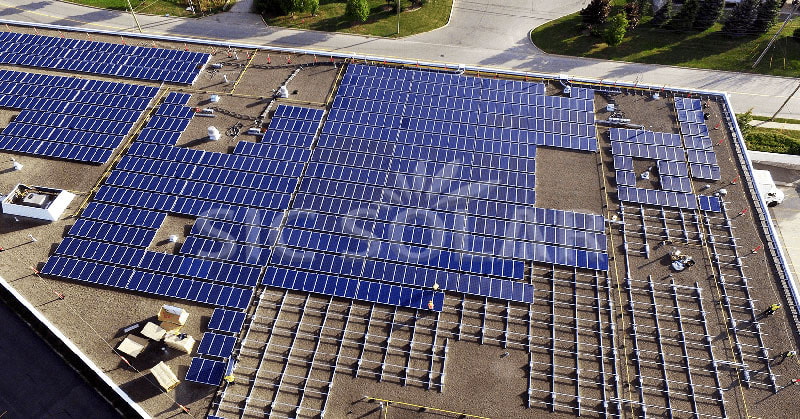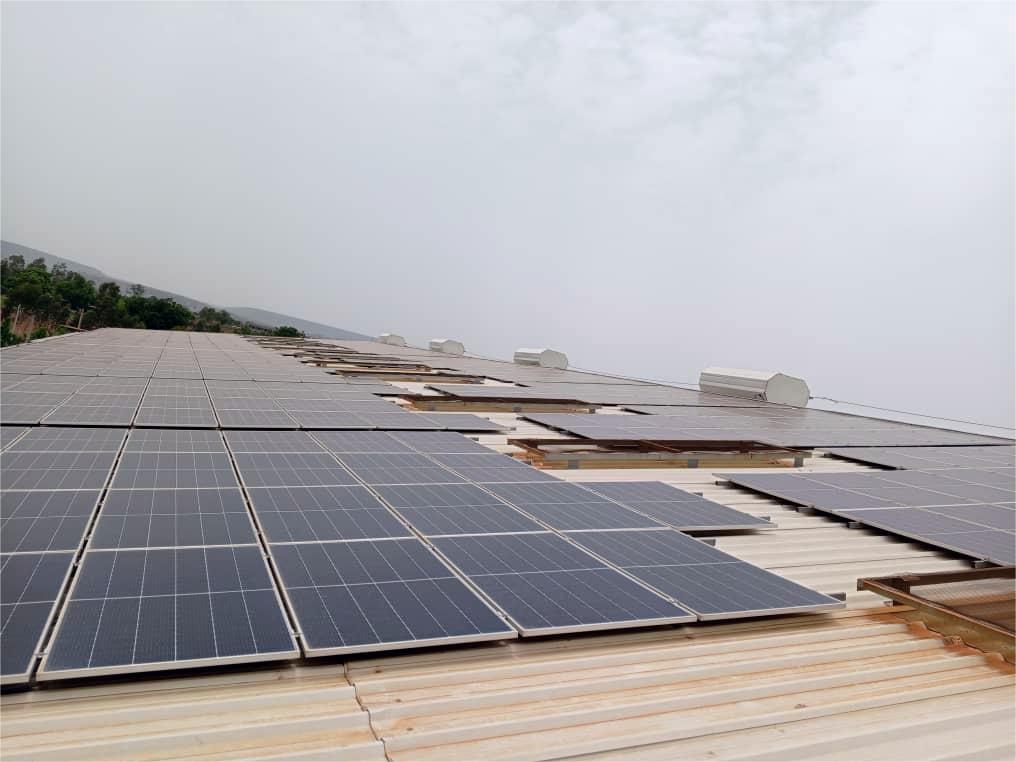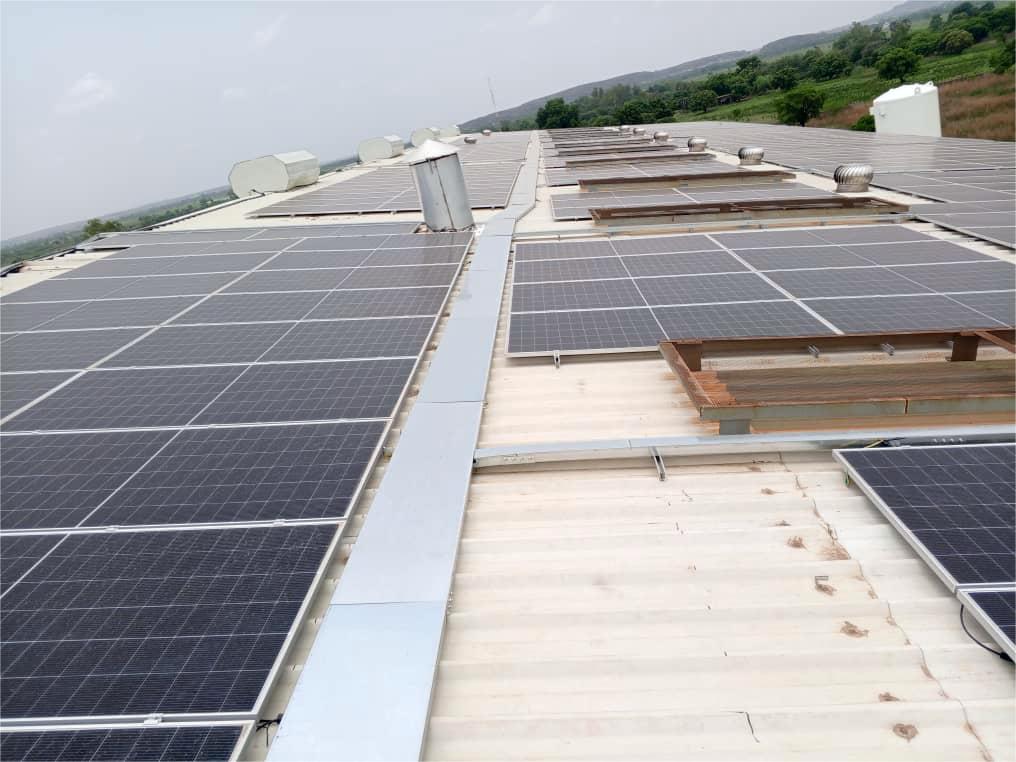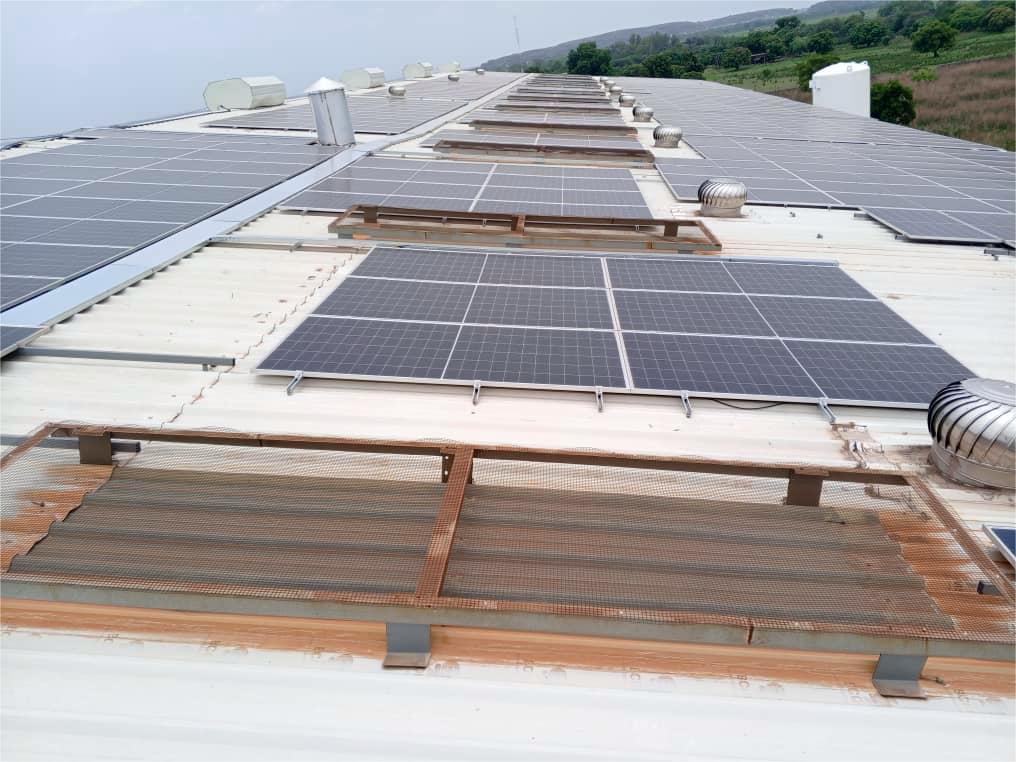
How to install Solar Panel Mounting Brackets?

Getting solar panel mounting brackets right isn't glamorous work, but it's the most important part of your solar project. Get this wrong and you could end up with a rooftop breakdown, wobbly panels or worst still a leakage. This guide correctly peels off all the complications and provides you a clear realistic step-by-step path whether you are installing it on a suburban roof or on a business site.

Why Bracket Installation Can't Be Rushed

Imagine your solar array as a tree. The panels are the leaves, the rails are the branches—but the solar panel mounting brackets are the roots. If they're weak, the whole system fails. Here's why pros never cut corners:

  • Leak-free : improper seal of holes in roofs is an open invitation to water damages.
  • The lifetime of brackets : low-end brackets rust; high-end ones last between 25 years and above.
  • Efficiency : Unbalanced brackets will create an imbalanced tension in the panels reducing the amount of energy created.

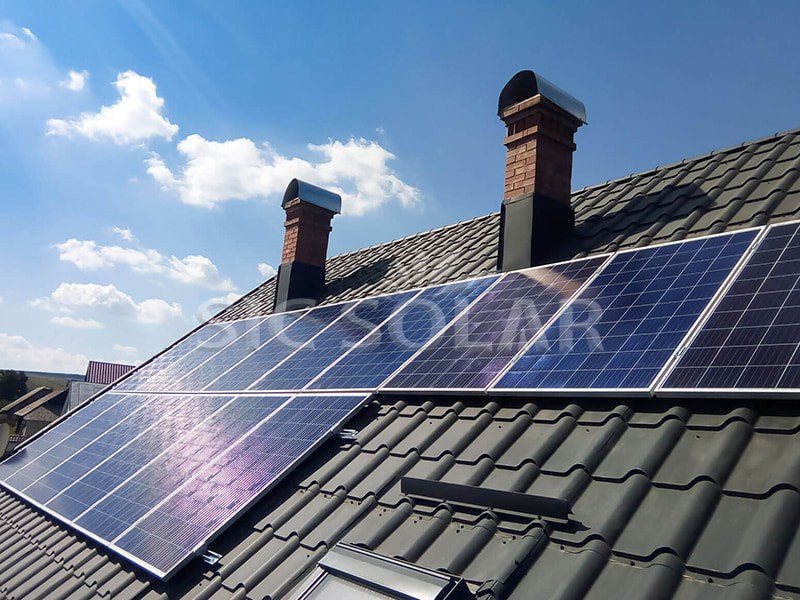
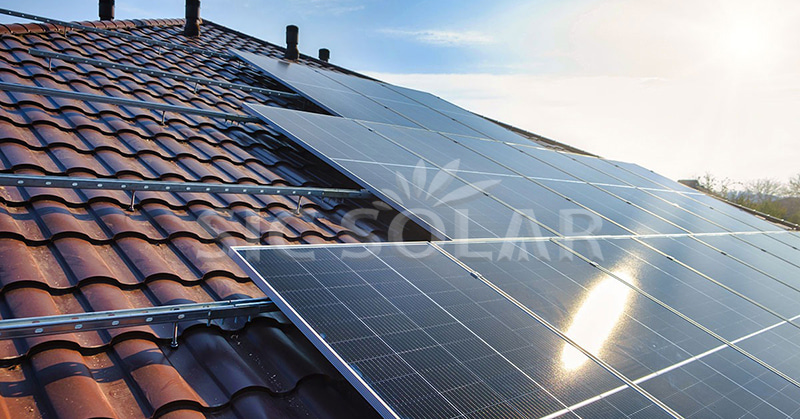
Pro Tip : For tricky roofs (like tile or metal), skip “universal” brackets. Use specialized kits (like Corigy ’s tile hooks) to prevent cracks and leaks.

Your Toolkit: What You Really Need

Don't start without these:

  • Brackets & Rails : Must match your roof type (shingle/tile/metal/flat).
  • Lag Bolts : Stainless steel only—no substitutions! Torque
  • Wrench : The hero of this story. Guessing = failing.
  • Laser Level & Tape : Precision is non-negotiable.
  • Roof Sealant : Butyl tape or polyurethane. Waterproof every penetration.
  • Stud Finder: Rafter detection saves disasters. glasses. Never skip this.

Pre-Installation: Your Secret Weapon

1. Roof Health Check:

  • Inspect for rot, soft spots, or old leaks. Fix before drilling.
  • Verify load capacity (get an engineer's report for older buildings).

2. Smart Layout Planning:

  • Mark rafter centers with chalk lines.
  • Avoid vents, pipes, and weak zones.
  • Space solar panel mounting brackets 4-6 feet apart (follow rail specs).

3. Material Audit:

  • Check grades of confirm bolt and bracket load rating.
  • Look at corrosion-defeating lays (anodized aluminum takes the prize).

Installation: Simple Steps for Perfect Brackets

Step 1: Marking & Leveling

  • Find rafters : Use your stud finder, mark centers clearly.
  • Snap chalk lines : Follow rafter paths exactly.
  • Bracket spacing : Mark positions every 4-6 feet along lines.
  • Laser-check : Ensure <1/8” deviation over 20 ft. Crooked rails ruin everything.

Step 2: Securing Brackets

  • Seal holes: Apply sealant where bolts penetrate.
  • Drill pilot holes: Center on rafters—use the right bit size!
  • Bolt brackets: Hand-tighten lag bolts first.
  • Torque down: Crank to 35-55 ft-lbs (check manufacturer specs!).

Critical: Missing the rafter reduces strength by 80%. Double-check with a stud finder!

Step 3: Attaching Rails

  • Slide rails into bracket channels.
  • Secure at every bracket with set screws.
  • Verify rails are parallel (±2 mm tolerance).

Step 4: Mounting Panels

  1. Lift panels with suction handles (2-person job!).
  2. Clamp frames to rails:
    - End clamps for panel edges.
    - Mid clamps between panels.
  3. Torque clamps to 15-20 ft-lbs.
  4. Leave ¼” gaps between panels for heat expansion.

5 Mistakes That Destroy Mounting Systems

  1. Drilling Blind : Hitting sheathing, not rafters. Always verify with a stud finder.
  2. Ignoring Torque : Under-tightened bolts shake loose; over-tightened one's strip. Your torque wrench is sacred.
  3. Skipping Sealant : 1 hole which is not sealed = a future leak. Seal the way your check is phoned in.
  4. Intermixing of Metals : when the steel bolts are used with an aluminum bracket it leads to corrosion. Apply incompatible metals or dielectric washers.
  5. Forgetting Gaps : Zero expansion space cracks panels. Keep that ¼” buffer!

Maintaining Your Brackets for Decades

  1. Bi-Annual Inspections : - Check for cracks/rust on brackets.
    - Re-torque critical bolts.
    - Reseal any cracked sealant.
  2. After Storms : Scan for shifted panels or debris buildup.
  3. Debris Control : Keep brackets clear of leaves/pine needles.

Why Quality Brackets Pay for Themselves

Solar panel mounting brackets are the unsung heroes of your solar investment. Cutting corners here risks:

  • Costly rework ($1,500+ per leak repair)
  • Reduced panel lifespan
  • Voided warranties

Buy brackets that are UL-listed and corrosion-resistant that will fit your type of roof. Tile, slate or difficult metal roofs: consider engineered solutions such as tinker-specific kits like Corigy - With engineered kits like Corigy , 90 percent of the typical failures are avoided.


The bottom line, accuracy + high quality materials = 25 years of trouble free energy.

Wrapping Up: Secure Your Solar Investment

Nailing the installation of solar panel mounting brackets isn't just about bolts and rails—it's about peace of mind. In the event that brackets are mounted straight, waterproofed, and tightened precisely, your solar set-up endures blizzards, zeroes leaks, and provides clean energy during years to come. Shortcuts point to expensive repair, life jeopardized and energy wastage. In the case of tricky roofs such as tile or metal, use the special solutions of Corigy in order to achieve a weatherproof fit as strong as a rock. Reminder: top-quality brackets and professional accuracy only make a solar project good, then superb. Plant one time; reap forever.

FAQs: Solar Panel Mounting Brackets

Q: How do brackets attach to solar panels? A: They don't! Brackets bolt to roof rafters, rails snap onto brackets, and panels clamp onto rails. Brackets anchor the system; clamps hold panels.
Q: How many brackets per panel? A: Always 4 (2 top, 2 bottom). Spacing depends on local snow/wind loads—usually 4-6 ft apart. Never exceed engineering specs.

Q: Best mounting method? A: Depends on your roof:

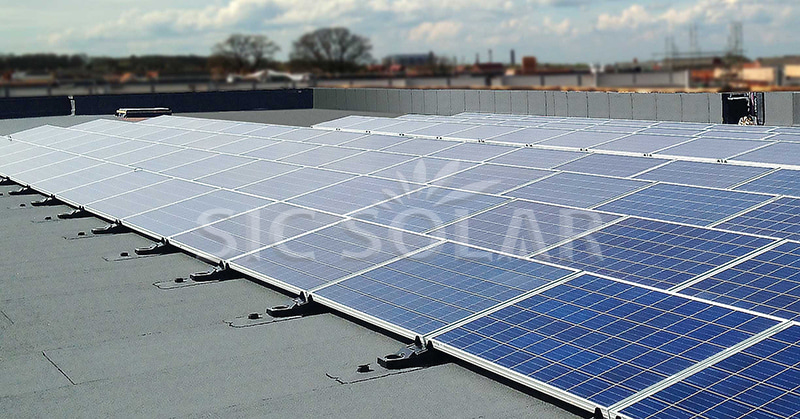
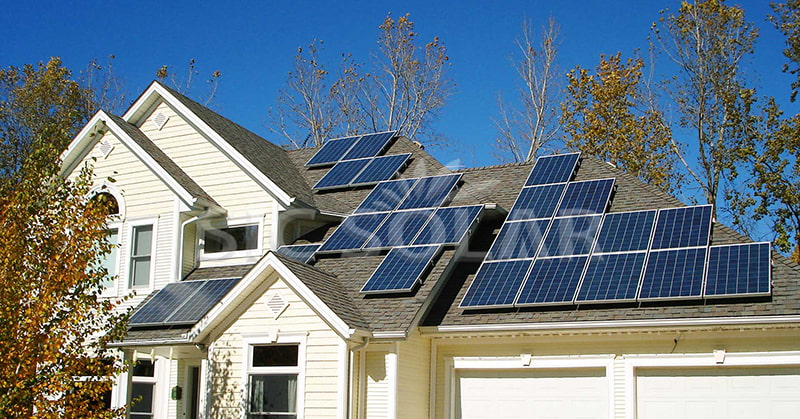
  • Pitched roofs : Low-profile solar panel mounting brackets (minimal wind lift).
  • Flat roofs : Ballasted systems or penetration kits.
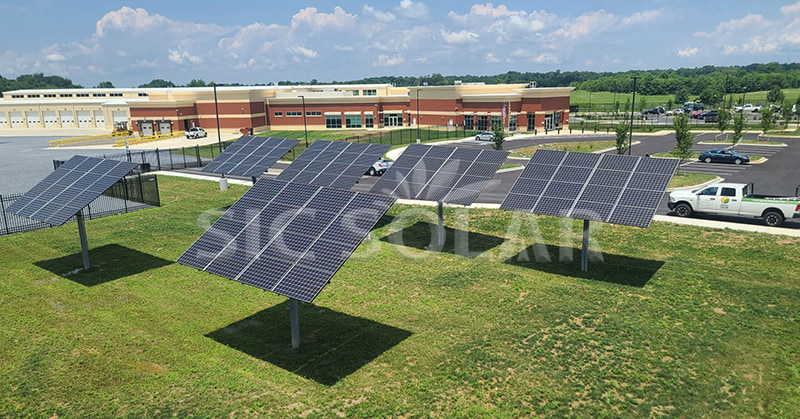
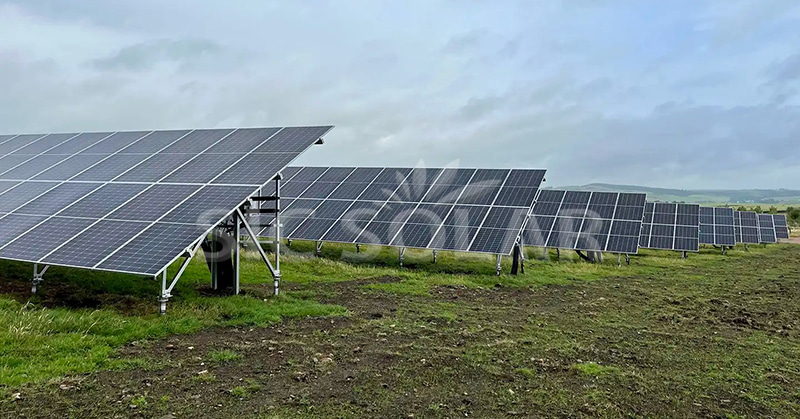
  • Ground mounts : Ideal for weak/shaded roofs.
Continue
Solar Profiles The Backbone of Every Solar Structure

Solar profiles are an unspoken pillar in the renewable energy environment of today. Not only are they structural supporters, but there are also facilitators within the solar panel systems in terms of efficiencies and sustainability. The list of where the solar profile can be used is endless: on rooftops, ground mounts, huge utility projects, and so on. In all these applications, the right solar profile is crucial.

What Are Solar Profiles?

Structural metal that is used to mount and support photovoltaic (PV) panels and hold the photovoltaic (PV) panels in place is referred to as solar profiles. These are aluminium or stainless steel rails, brackets, clamps and framing materials. They have been designed in such a way that the solar panels remain in place with wind, rain, and bright sun.


Applied in both commercial and residential solar systems, they are not only a mounting structure, but they also improve the performance of the system by ensuring that it meets the desired tilt of the panel and air circulation.

Why the Right Solar Profile Matters

The selection of an appropriate solar profile also defines the life of the system and its performance in terms of cost-effectiveness and eco-friendly functioning. However sophisticated panels have to be, they require strong and rust-proof frames to operate efficiently.


A poor construction would interfere with energy production. Meanwhile, the good quality of solar profiles that are engineered with precision guarantees greater exposure to sunlight and less maintenance of the system.


Quite curiously, most of the companies, such as Corigy, have been making a subtle impact on finalising the market with the ability to make profiles that are designed in such a way that they can last a long time and work with ease. Their technological orientation has made it possible to support numerous solar initiatives that remain stagnant on the most intense environmental challenges.

Types of Solar Profiles in Use Today

Modern solar structures require diverse mounting solutions. Some of the common solar profiles found depending on the project location and design include:

  • Aluminium Rails: Lighter in weight, suitable in a rust-free condition and not hard to fix.
  • Stainless Steel Brackets – The stainless steel brackets are characterised by great strength and durability.
  • Tiltable Mounts – There are those that are good at changing angles according to the movement of the sun.
  • Ground Mount Structures – They could be used when a solar farm or a large-scale installation is desired.
  • Roof Profiles – This was designed with strictly sloped roofs or flat rooftops in mind.

Every component has an exclusive way to go in the work of the system, although everything should cooperate. A panel to profile compatibility is essential so that no stair stress fractures or energy losses can take place in the future.

Features to Look for in Quality Solar Profiles

When choosing solar mounting systems, the installers tend to consider a few points. These include:

  • Corrosion Resistance – The solar structures are subjected to the elements, and thus an anodised aluminium or galvanised steel material provides long-term protection.
  • Load-bearing capacity profiles have to support wind loads and snow on the surface without deformation.
  • Modular Design – Profiles, which help in plug-and-play assembly, minimise the time used in the labour.
  • Certifications – International standards provide that the product is safe and works well.
  • Thermal Expansion Tolerance: metal expands and contracts relative to changes in temperature; thus, well-designed products do not become loose through time.

These are all the factors that would come into play to find out the sustainability and the ROI of a solar project.

How Solar Profiles Influence Project Economics

It's not just about physical support. The design of solar profiles can also directly influence the installation cost and payback period. A streamlined profile can reduce installation time, labour cost, and transportation needs.

Many solar contractors report that using smart-profile systems results in fewer on-site errors and faster commissioning. That's why reliable profiles are not seen as just parts—but as critical investments in the overall energy system.

When comparing options, project developers often prefer suppliers that provide integrated systems, technical support, and product guarantees. An experienced manufacturer such as Corigy, for example, uses material science with engineering to provide solar profiles that balance cost, strength and installation speed. Their name may not be in all the news, but their structural solutions are rampant throughout the world of installations.

Real-World Example: A Windy Challenge

A recent coastal solar farm project faced severe wind-load requirements. Engineers were unsure whether conventional mounting would hold. The answer was found in the advanced solar profiles constructed in a form of reinforced aluminium rails with angled wind deflectors.

The panels not only survived the weather, but it was also easy to service because of intelligent modular design. This case illustrates quite well that solar profiles are not merely simple constructions; they are designed solutions to the complex environmental problems.

Future Trends in Solar Profiles

Innovation in this field continues to grow. With the rise of floating solar farms and solar carports, solar profile designs are evolving rapidly. Some trends to watch:

  • Light and strong materialsNew alloys and composite materials will be able to decrease weight without the loss of strength.
  • Integrated Wiring Channels – To enhance beauty and lessen the cluttering.
  • Tool-Free Assembly – Snap-fit parts are becoming the conventional order of the industry.
  • Stress Testing AI – The world is also seeing manufacturers begin to use digital simulation techniques to replicate extreme conditions during pre-production test conditions.
  • Custom Designed Technicalities – Designed to conquer rough terrains such as hillsides or the desert.

These innovations are altering the way solar systems come into operation and are maintained, with the long-term costs falling.

How to Choose the Right Supplier for Solar Profiles

Not all solar profile suppliers offer the same value. When evaluating manufacturers or wholesalers, consider:

  • Years of experience in solar structure manufacturing
  • Global certifications like ISO or TUV
  • In-house R&D and testing capabilities
  • Responsiveness of technical support
  • Willingness to offer custom solutions

Suppliers that meet these benchmarks will help your project achieve faster deployment, better efficiency, and longer structural life. Hidden among top-tier providers, some companies quietly lead the market with quality and service that exceeds expectations—you might discover one during your research.

Final Thoughts: The Unsung Heroes of Solar Energy

Solar profiles don't often get the spotlight, but without them, no solar system can stand. They're the invisible strength behind every clean energy initiative. They do not just add structural support; they also alleviate risk, strengthen ROI, and guarantee long sustainability.

Whether on the tops of the skyscrapers or in sun-soaked fields, they promise to hold a brighter future, one panel at a time.

There can also be no doubt about the next time you think about solar energy. You do not think about panels, but you think about the system that makes it all possible.


Continue
Advantages of wind and solar hydrogen production

One.Increase the self-consumption rate of renewable energy
1. Solve the problem of curtailment of wind and solar powerIn the process of renewable energy development, the curtailment of wind and solar power is relatively serious. Wind and solar power generation are limited by natural conditions and are characterized by intermittent and fluctuating characteristics. For example, the magnitude of the wind is unstable, and the light is strong during the day and no light at night. When the power system is unable to absorb renewable energy in time, curtailment of wind and solar power will occur. Through wind and solar hydrogen production, the excess wind power and photovoltaic power are used for hydrogen production by electrolysis of water, which can be converted into hydrogen as a high-value energy carrier. This not only increases the self-consumption rate of renewable energy, but also reduces the curtailment rate of wind and solar power, and improves the economic benefits of the entire renewable energy power generation system.
2. Stable power output: Wind and solar hydrogen production system can stabilize the power output of renewable energy to a certain extent. When the power of renewable energy generation fluctuates, the power of hydrogen production from water electrolysis can also be adjusted accordingly. For example, when the power of wind power increases instantaneously, the power of the electrolyzer is increased, and the excess wind power is used for hydrogen production, thereby smoothing the power output and facilitating the better integration of renewable energy into the grid.
Two. Environmental benefits
1. Zero carbon emissionsCompared with traditional fossil fuel hydrogen production (such as coal to hydrogen and natural gas to hydrogen), the wind and solar hydrogen production process does not produce greenhouse gas emissions such as carbon dioxide. In the process of electrolysis of water, the only by-product is oxygen, and the entire hydrogen production process achieves zero carbon emissions. If the hydrogen obtained from wind and solar hydrogen production is used in fuel cell vehicles, industrial heating and other fields, it will greatly reduce carbon emissions in these fields, which is of great significance to the response to global climate change.
2. Reduce air pollutionThe traditional fossil fuel hydrogen production process will produce a large number of pollutants, such as sulfur dioxide, nitrogen oxides, particulate matter, etc. These pollutants can cause serious harm to air quality and human health. The absence of these pollutants in the process of hydrogen production from wind and solar helps to improve local air quality and reduce environmental problems such as haze.

Three. Energy security and diversification
1. Reduce dependence on fossil fuelsAs the global demand for fossil fuels continues to grow, the reserves of fossil fuels such as oil and natural gas are gradually decreasing, and energy supply is facing huge challenges. Wind and solar hydrogen production offers a new avenue for energy supply, reducing dependence on fossil fuels. Through the large-scale development of wind and solar hydrogen production, energy self-sufficiency can be achieved to a certain extent, especially in areas with abundant renewable energy generation, which can improve the security of local energy supply.
2. The diversified development of energy and hydrogen production from wind and solar energy has enriched the types and supply methods of energy. As a clean energy source, hydrogen can be applied in many fields, such as transportation, industry, energy storage, etc. The combination of wind and solar resources and hydrogen production technology has enabled the energy system to develop from the traditional fossil fuel to a diversified and clean direction, and improved the flexibility and adaptability of the energy system.
Fourth, the potential of industrial applications
1. Application of hydrogen in the chemical industry In the chemical industry, hydrogen is an important raw material, which can be used for the production of chemical products such as synthetic ammonia and methanol. At present, the production of these chemical products mostly relies on fossil fuels to produce hydrogen, and the use of wind and solar hydrogen production can provide a green and sustainable source of hydrogen. This will not only help the chemical industry to save energy and reduce emissions, but also improve the green competitiveness of chemical products. For example, methanol synthesized from green hydrogen can be used as a clean fuel or chemical raw material in more green industrial chains.
2. Application of hydrogen in the steel industry In the steel industry, hydrogen can be used as a reducing agent to replace the traditional coal reducing agent for the reduction reaction of iron ore. This process, known as hydrogen metallurgy, is an important way for the steel industry to achieve a low-carbon transition. Wind and solar hydrogen production provides a large source of green hydrogen for the steel industry, which can help the steel industry reduce carbon dioxide emissions, improve energy efficiency, and achieve sustainable development.

Continue
Application Scenarios of Alkaline Water Electrolysis Hydrogen Production Units

I. Industrial Sector

(1)Chemical Synthesis: In chemical production, it is used to synthesize important chemical raw materials such as ammonia and methanol, providing hydrogen sources for related industries.

(2)Metal Processing: During the smelting and processing of metals, it is utilized in processes like metal reduction and heat treatment to enhance the quality and performance of metals.

II. Energy Sector

(1)Grid Energy Storage: Excess electrical energy from the power grid can be converted into hydrogen for storage. During peak electricity demand periods, the stored hydrogen can be converted back into electricity through means such as fuel cells, achieving peak shaving and valley filling of the power grid and improving its operational stability and flexibility.

(2)Distributed Energy Systems: Combined with renewable energy generation devices like solar and wind power, it helps construct distributed energy systems, addressing the intermittency and instability issues of renewable energy generation and ensuring a stable energy supply.

III. Transportation Sector

(1)Hydrogen Fuel Cell Vehicles: It provides high-purity hydrogen for hydrogen fuel cell vehicles as their power source. These vehicles offer advantages such as zero emissions and long driving ranges, contributing to the reduction of carbon emissions in the transportation sector.

IV. Other Sectors

(1)Hydrogen-based Metallurgy: In the steel industry, it is used for the direct reduction of iron ore, replacing the traditional coke-based ironmaking process and reducing carbon dioxide emissions.

(2)Electronics Industry: It provides high-purity hydrogen for processes like reduction and cleaning in semiconductor manufacturing and electronic component production within the electronics industry.

Continue
Direct methanol fuel cell (DMFC) science

Hydrogen is a very active reducing agent (fuel). Thus, in hydrogen-oxygen fuel cells, very high operating currents and high specific power values per unit weight can be achieved. However, the handling, storage, and transportation of hydrogen fuel is complex. This is primarily a problem for relatively small portable power plants. For such a plant, liquid fuels are more realistic.
Methanol is a very promising fuel for small portable fuel cells. It is more convenient and less dangerous than gaseous hydrogen. Compared to petroleum products and other organic fuels, methanol has a fairly high electrochemical oxidation activity (although not as high as hydrogen). Its chemical energy ratio content is about 6 kWh/kg, which is lower than that of gasoline (10 kWh/kg), but quite satisfactory. For this reason, its application in fuel cells for power plants in electric vehicles and different portable devices is widely discussed today.

The operation of DMFCs has fundamental problems that do not exist in proton exchange membrane fuel cells. In the latter, the membrane is practically impermeable to reactants (hydrogen and oxygen), preventing them from mixing. In contrast, in DMFC, the membrane is partially permeable by methanol dissolved in an aqueous solution. For this reason, some methanol penetrates from the anode part of the battery through the membrane to the cathode part. This phenomenon is called cross-curium-crustic ethanol. This methanol is directly oxidized by gaseous oxygen on a platinum catalyst without producing useful electrons. This has two consequences: (i) a significant portion of the methanol is lost in the electrochemical reaction, and (ii) the potential of the oxygen electrode shifts to a lower positive value, so the operating voltage of the fuel cell decreases. Despite many investigations conducted so far, it has not been possible to fully address this issue.
One potential application area for DMFC is low-power (up to 20W) power supplies for electronic devices such as laptops, camcorders, DVD players, mobile phones, medical devices, and more. At present, the application of DMFC as a power source for electric vehicles is very far away. Despite a great deal of research, DMFCs are still not in commercial production or widely used in practical use compared to proton exchange membrane fuel cells.

Continue
PEM vs. alkaline electrolyzer Which hydrogen production technology is more suitable for your needs?

In the selection of hydrogen production technology, the choice between proton exchange membrane (PEM) electrolyzer and alkaline electrolyzer requires a comprehensive consideration of many factors. The following comparison will help you make a decision:

I. Technical performance

1. Current density and energy consumption

Alkaline electrolyzer: The current density is usually 0.2–0.4 A/cm², and the system energy consumption of the two is similar.

PEM electrolyzer: The current density reaches 1–2 A/cm², and the system energy consumption of the two is similar.

2. Load range and response speed

• Alkaline electrolyzer: Load adjustment range 40-100%, slow start and stop speed (hot start 1–5 minutes, cold start 1–5 hours), not suitable for intermittent energy such as wind power/photovoltaic power - pressure balance is required to avoid gas leakage.

• PEM electrolyzer: Load range 0%–120%, fast start and stop (hot start <5 seconds, cold start 5–10 minutes), very suitable for matching fluctuating renewable energy.

2. Cost factors

1. Equipment cost

• Alkaline electrolyzer: low cost, electrodes do not contain precious metals. The domestic market share is high, and the equipment price is only 1/4–1/6 of PEM.

• PEM electrolyzer: high cost (overseas price is 1.2–1.5 times that of alkaline, and 4–6 times that of domestic), because the catalyst requires precious metals such as iridium and platinum. However, overseas price performance is better, and domestic production is reducing costs through localization and scale.

2. Operating cost

• Alkaline electrolyzer: low equipment cost, high energy consumption, and energy consumption optimization in the future.

• PEM electrolyzer: low energy consumption can reduce costs, but equipment and precious metal expenses push up overall operating costs, and cost reduction depends on increasing current density, reducing iridium usage and localization.

3. Application scenarios

1. Alkaline electrolyzer applicable scenarios:

• Large-scale industrial hydrogen.

• Scenarios with low water quality requirements: ordinary deionized water can be used, suitable for areas with limited high-purity water supply.

2. PEM electrolyzer applicable scenarios:

• Renewable energy coupling scenario (wind power/photovoltaic): fast response, wide load range, suitable for off-grid distributed hydrogen production (such as islands, mining areas).

• High-purity hydrogen scenario (such as hydrogen refueling station): directly produce high-purity hydrogen without additional separation.

IV. Future trends

• Alkaline electrolyzer: focus on reducing energy consumption (upgrading diaphragms/catalysts) and improving current density to further optimize cost performance.

• PEM electrolyzer: through technological breakthroughs (reducing the use of precious metals), localization and scale-up cost reduction, it is expected that the market share will expand after the cost reduction.

Summary

• Choose alkaline electrolyzer: if the demand is large-scale low-cost hydrogen production, and the purity of the water source needs to be taken into account.

• Choose PEM electrolyzer: if you focus on fast response, adapt to the fluctuations of renewable energy, pursue high-purity hydrogen, and can accept a higher initial investment.

Continue
Zero carbon hydrogen energy

Green hydrogen is hydrogen obtained by splitting water from renewable energy sources such as solar and wind energy, and when it is burned, it produces only water, achieving zero carbon dioxide emissions from the source, so it has earned the excellent title of "zero-carbon hydrogen".
Although hydrogen energy is a clean and sustainable new energy source that does not emit carbon dioxide in the process of releasing energy, the current process of producing hydrogen energy is not 100% "zero-carbon". For example, the production of gray hydrogen and blue hydrogen, the other two brothers of green hydrogen, is divided into three categories: gray hydrogen, blue hydrogen, and green hydrogen, according to the source of production and the emissions in the production process.
Grey hydrogen is produced by the combustion of fossil fuels such as oil, natural gas, coal, etc., and although the manufacturing process is low-cost, gray hydrogen is the least popular among the "three brothers" due to the large amount of carbon dioxide emitted from the whole process.
Blue hydrogen is an "upgraded" version of grey hydrogen, made from fossil fuels such as coal or natural gas. While natural gas is also a fossil fuel and produces greenhouse gases when producing blue hydrogen, advanced technologies such as carbon capture, storage and utilization can capture greenhouse gases and ultimately enable low-emission production with reduced environmental impact. Grey hydrogen is used as a fuel for transportation, which actually emits more than direct diesel and gasoline. Compared with grey hydrogen obtained from industrial raw materials, green hydrogen is more pure and has fewer impurities, making it more suitable for fuel cell vehicles and promoting the clean transformation of the transportation sector.
In the chemical industry, hydrogen is often used as a feedstock for the production of ammonia methanol and other chemicals. The emergence of green hydrogen not only contributes to the deep decarbonization of the ammonia production process, but also replaces natural gas and coal for the production of green methanol, reducing carbon emissions in the production of chemicals.
In addition, asphalt can also solve the problem of excess renewable energy generation, and reuse curtailment of wind, solar and water, thereby increasing the utilization rate of renewable energy.
In 2022, the proton exchange membrane water electrolysis hydrogen production system of the Dachen Island Hydrogen Energy Comprehensive Utilization Demonstration Project in Zhejiang Province successfully achieved hydrogen production. Tourism and aquaculture are the island's two pillar industries, and the "green hydrogen ™ integrated energy system can supply electricity and heat for homestays, hotels, villas, etc." The oxygen produced in the hydrogen production process can be provided to yellow croaker farmers, giving full play to the value of hydrogen production by-products and providing impetus for the development of the local aquaculture industry. Green hydrogen is so good, isn't its appearance fee very "expensive"? The amount of electricity required to produce hydrogen by electrolysis is huge, and it takes about 50 kilowatt-hours of electricity to produce one kilogram of hydrogen, which is prohibitively expensive. However, with the further maturity of wind power, tidal power, solar power generation and other technologies, the production cost of green electricity has been reduced, which indirectly reduces the production cost of green hydrogen.
Green hydrogen is no longer "unattainable", and the production of hydrogen through electrolysis of water through photovoltaic power generation not only achieves no carbon emissions in the production process, but also achieves zero carbon emissions in the use process, achieving truly double the clean. It is believed that with the further maturity of future technologies, "green hydrogen" will become one of the important and major new energy sources in the future, and contribute more to the realization of the dual carbon goals.

Continue
How many KWh is 51.2V 200Ah?

In the field of energy storage batteries, 51.2V 200Ah is a common specification in home energy storage systems. For users, understanding the actual energy storage capacity (i.e. kWh) of this parameter is the key to evaluating system performance. Based on GreenMore's professional experience and combined with the technical standards of the energy storage industry, this article will analyze the energy calculation logic of 51.2V 200Ah batteries and explore their value in different application scenarios.

How many kWh is 51.2V 200Ah?

  • Energy calculation method for 51.2V 200Ah battery

The energy storage capacity of a battery is usually measured in kilowatt-hours (kWh), while ampere-hours (Ah) and volts (V) are the basic parameters for describing battery capacity. The conversion formula between the three is:

Energy (kWh) = Voltage (V) × Capacity (Ah) / 1000


​Take GreenMore's 51.2V 200Ah lithium iron phosphate battery as an example:

Energy = 51.2V×200Ah/1000 =10.24kWh

This result means that the battery can store 10.24 kWh of electricity when fully charged, which is enough to meet 10-15% of the average household's daily electricity demand (taking an average daily electricity consumption of 60-80 kWh as an example).

  • Why is energy storage battery capacity measured in kWh?

      1. Directly related to the electricity price system

         The global electricity market generally uses "kWh" as the billing unit. When users use energy storage systems to achieve peak-valley electricity price arbitrage or off-grid power supply, kWh can directly quantify economic benefits. For example, GreenMore's home energy storage system can help users release 10.24kWh of energy charged during valley power hours during peak power hours, saving electricity expenses.

      2. Compatible with photovoltaic and inverter systems

The 51.2V voltage design is suitable for mainstream 48V photovoltaic systems (such as 5kW-10kW inverters), and the kWh indicator directly reflects the matching degree between the system and photovoltaic power generation. For example, GreenMore's stacked energy storage module supports multiple machines in parallel. Users can flexibly expand to 30.72kWh (3 sets of 51.2V 200Ah batteries in parallel) according to the rooftop photovoltaic installed capacity (such as 15kW), achieving 100% self-consumption of photovoltaic power generation.

      3. Comply with international standards and certification requirements

International certification systems such as UL and IEC require energy storage equipment to clearly mark the kWh energy value to ensure safety and compatibility. GreenMore's 51.2V 200Ah battery has passed UN38.3, CE and other certifications, and its 10.24kWh energy parameter has become the core basis for overseas customers' purchasing decisions.

  • Impact of technical parameters on practical applications

      1. Cycle life and energy decay

GreenMore's lithium iron phosphate battery has a cycle life of 6,500 times (80% DOD), which means that the 10.24kWh initial energy can still maintain more than 80% after long-term use. For example, the Colombian household energy storage project uses 51.2V 200Ah batteries, which are charged and discharged once a day. After 10 years, it can still provide 8.19kWh of effective energy, significantly reducing LCOE (levelized cost of electricity).

      2. Effect of temperature on energy efficiency

In low temperature environments, the internal resistance of the battery increases, resulting in a decrease in available energy. GreenMore's temperature-controlled lithium battery technology can extend the operating temperature range to -20°C to 60°C, ensuring that a 51.2V 200Ah battery can still release more than 90% of its nominal energy (about 9.22kWh) at -10°C, which is suitable for household energy storage needs in high-cold areas.

      3. Parallel scalability and system redundancy

Through modular design, GreenMore's 51.2V 200Ah battery supports unlimited parallel connection. For example, the Ethiopian hotel energy storage project uses 20 groups of batteries in parallel with a total capacity of 204.8kWh, which can achieve millisecond-level load switching with the EMS system to ensure power supply reliability.

  • How do users choose the appropriate energy storage capacity?

      1. Home energy storage scenario

Need Plan
Average daily electricity consumption ≤30kWh A single 51.2V 200Ah (10.24kWh) battery can cover basic loads such as night lighting and home appliances.
Off-grid power supply needs It is recommended to configure 2-3 sets of batteries (20.48-30.72kWh) with a 5kW inverter to achieve 72 hours of self-sufficiency.


      2. Commercial energy storage scenarios

Need Plan
Industrial and commercial peak-to-valley arbitrage According to the local electricity price difference and load curve, choose a 100-500kWh system. For example, a Spanish food processing plant installed 5 sets of 50KW/100KWh batteries (512kWh), with an annual arbitrage income of more than 300,000 euros.
Microgrid and backup power GreenMore's commercial energy storage cabinet (40-foot container solution with a capacity of 2MWh) can support emergency power supply for communities or industrial parks for more than 4 hours.


  • GreenMore's technical advantages and cases

As a professional energy storage battery manufacturer, GreenMore's 51.2V 200Ah battery has the following differentiated competitiveness:

  1. High energy density: The volume energy density reaches 160Wh/kg, which is 300% higher than traditional lead-acid batteries and saves more than 50% of installation space.
  2. Intelligent BMS system: real-time monitoring of battery status, supporting SOC (remaining power) accuracy ≤2%, avoiding the risk of overcharging and over-discharging.

Case: A German household photovoltaic energy storage project uses GreenMore's 51.2V 200Ah battery, paired with a 10kW photovoltaic system, to achieve an average daily power generation of 40kWh, of which 25kWh is stored in the battery. The proportion of self-use electricity has increased from 30% to 85%, reducing carbon emissions by 12 tons per year.

In summary, the 10.24kWh energy of the 51.2V 200Ah battery is not only a reflection of technical parameters, but also GreenMore's commitment to the economy, reliability and sustainability of energy storage systems. Whether it is a household user pursuing a green and low-carbon life or a corporate customer optimizing energy costs, choosing GreenMore's energy storage solution can maximize energy value.

Contact the GreenMore team now or visit www.gmsolarkit.com to get customized energy storage solutions and start your energy transformation journey!


Continue
How to use home solar batteries correctly

With the popularization of home energy storage systems, the life and performance of solar cells directly affect user experience and system safety. As a company that has been deeply involved in the energy storage field for more than ten years, GreenMore has summarized a set of scientific and practical maintenance plans for home energy storage lithium batteries based on the operating data of more than 200,000 sets of products and the characteristics of lithium-ion battery materials. This article will provide systematic guidance for home users from three dimensions: usage scenarios, environmental control, and charging and discharging strategies.

  • Environmental Control

1.Temperature Management

Lithium batteries are highly sensitive to temperature. Experimental data show that the cycle life can reach 6,000 times at 25°C, while it is reduced to 2,800 times at 45°C. GreenMore recommends:

  1. Operating temperature: Keep the temperature between the equipment rooms between 15℃ and 30℃. In summer, it is recommended to install ventilation equipment or air conditioning to assist in temperature control.
  2. Extreme weather response: The temperature of the equipment room must be maintained above 5°C in winter, and the humidity must be maintained at ≤65%RH in the rainy season

2.Physical protection

  1. Earthquake-proof design: GreenMore patented modular earthquake-resistant bracket, can withstand 6-magnitude earthquake impact
  2. Dust and water proof: Equipment rooms must meet IP54 protection level to prevent metal debris or liquid from penetrating and causing short circuits
  3. It is recommended to regularly check the appearance of the battery module, focusing on abnormalities such as electrolyte leakage and shell deformation


How to use home solar battery


  • Charge and discharge strategy

1.Charging Management

  1. Smart dispatch: GreenMore energy storage system built-in BMS system can automatically match the peak and valley electricity prices of the power grid, and users are advised to turn on the "smart charging" mode
  2. Deep protection: When the SOC (state of charge) is lower than 20%, the system will be forced into low power mode to avoid over-discharge damage
  3. Charging cutoff: The system defaults to charging to 90% SOC, and users can adjust it to 80%-95% through software to balance battery life and life

2.Discharge control

  1. Load management: Avoid starting high-power appliances (such as air conditioners and ovens) at the same time. It is recommended to use electricity at different times to avoid peak hours
  2. Discharge depth: It is recommended to keep the SOC between 30% and 80% for daily use. In extreme cases, it can be lowered to 20%, but it needs to be recharged as soon as possible
  3. Dormant activation: Long-term idle equipment needs to undergo a complete charge and discharge cycle every 3 months to maintain electrode activity
  • Maintenance

1.Regular testing

  1. Monthly self-check: Check key parameters such as battery voltage balance and internal resistance change through system software
  2. Annual inspection: certified engineers conduct insulation testing, capacity calibration and other professional maintenance
  3. Early warning response: The three-level early warning mechanism (yellow/orange/red) of the BMS system can push fault warnings 72 hours in advance

2.Storage Specifications

  1. Short-term storage: If power outage maintenance is required, it is recommended to adjust the SOC to 50% and store at 15℃-25℃
  2. Long-term storage: Batteries that have not been used for more than 6 months need to be recharged to 60% SOC every quarter
  3. Waste treatment: Contact professional recycling channels and use physical crushing + hydrometallurgical process to achieve 95% material recovery rate
  • Common Misunderstandings and Solutions


Incorrect operation Scientific advice
Charge while using Avoid high load operation at the same time, and use the "energy storage priority" mode first
Frequent full filling Adopting the "shallow charge and shallow discharge" strategy, the SOC fluctuation is controlled within the range of ±30%
Using a non-original charger Must use GreenMore dedicated charging equipment that has passed professional certification
Dismantle and repair without permission Any maintenance operations must be performed by authorized engineers. The battery pack has an IP54 protection level


GreenMore always takes "safety, efficiency and sustainability" as the core principle of product design. By implementing the usage methods described in this article, home users can extend the battery life by more than 30% and increase the daily charging and discharging efficiency by 15%. If you need a personalized maintenance and usage plan, please log in to the GreenMore official website www.gmsolarkit.com to make an appointment for free diagnostic consultation services. Let us jointly protect energy security and promote the popularization of green lifestyles.


Continue
What does GreenMore do?

Against the backdrop of accelerating global green energy transformation, energy storage technology and photovoltaic innovation are profoundly reshaping the energy industry ecosystem. As a deep participant in this field, GreenMore will continue to deepen its presence in the field of energy storage battery systems and building integrated photovoltaics (BIPV) through continuous innovation. This article will deeply analyze how GreenMore uses innovation as an engine to help global users achieve sustainable energy management from four core aspects: corporate strategic positioning, key technology products, manufacturing system, and global customer network.

GreenMore Energy Storage Manufacturer

  • Business positioning: Comprehensive service provider integrating energy storage and photovoltaics

GreenMore focuses on energy storage batteries and photovoltaic system solutions, and is committed to providing efficient, safe and intelligent energy management solutions for homes, industrial and commercial buildings, and public buildings. Our business covers two core areas:

       1.Energy storage system solutions

          Through the independently developed battery management system (BMS) and intelligent algorithms, GreenMore's energy storage system can achieve accurate storage and scheduling of electricity, helping users reduce electricity costs, improve energy self-sufficiency, and participate in grid ancillary services (such as peak-valley arbitrage and demand response).

       2.Building Integrated Photovoltaic (BIPV) Innovation

          GreenMore's BIPV products deeply integrate photovoltaic power generation functions with architectural aesthetics to replace traditional building materials, improve building energy efficiency while generating electricity, and help implement zero-carbon buildings.

  • Core products: Energy solutions covering all scenarios

      1.Home energy storage system

          Capacity range: 3-30KWh, meeting the needs of daily household electricity consumption, emergency power backup and off-grid scenarios

         Product form: wall-mounted (space-saving, easy to install), stackable (modular design, flexible expansion)

         Core advantages: high cycle life, IP65 protection level, compatible with photovoltaic + grid dual input.

      2.Commercial and industrial energy storage systems

         Power and capacity: 50KW/100KWh to 15MW/30MWh, covering small and medium-sized factories, commercial complexes to large power stations.

         Product form: outdoor battery energy storage cabinet (integrated with PCS, fire protection system, supporting liquid cooling/air cooling)

         Core advantages: three-level safety protection (cell level, module level, system level), intelligent energy scheduling algorithm

      3.Triple-Arch Hantile:Triple-Arch Hantile: Bionic curved surface design combines power generation efficiency and architectural aesthetics, suitable for high-end residences and cultural venues.

      4.Stacked photovoltaic tiles: modular splicing, can be quickly installed on the roof of existing buildings, reducing renovation costs. 

      5.Flat-laid photovoltaic tiles: ultra-thin design, seamlessly replacing traditional roof tiles, achieving “zero-perception” power generation

      6.Photovoltaic tile technology highlights: conversion efficiency ≥ 22%, impact resistance reaches IK10 standard; • Compatible with BIPV dedicated inverters, supporting group string level monitoring and fault self-diagnosis.

  • Production system: down-to-earth, strict control of quality and delivery

As a storage battery manufacturer rooted in China, GreenMore has always adhered to the production principles of "pragmatic, efficient, safe and reliable", and provided global customers with "Made in China" energy storage solutions through localized supply chains, standardized production lines and flexible responses.

     1.Localized supply chain

        Self-production of core components: Battery PACK, BMS (battery management system) and other key components are produced independently to reduce intermediate links and ensure supply chain stability and cost controllability.

        Regionalized procurement: Establish long-term cooperation with more than 30 local suppliers, 100% traceability of raw materials, and shorten the delivery cycle to 70% of the industry average.

     2.Standardized production line

         Automation: Introduce automated sorting, laser welding, and air tightness testing equipment to reduce human errors

        Manual review: Key processes are reviewed by technicians with more than 10 years of experience to ensure process consistency.

     3.Full process quality inspection

       Incoming material inspection: 100% sampling inspection of battery cell internal resistance, capacity and other parameters, defective products are directly returned to the supplier

       Process detection: random inspection of module voltage and insulation performance every 2 hours

       Finished product testing: The energy storage system is fully charged and discharged for ≥3 times, simulating extreme temperatures (-20℃~55℃) and running for 72 hours.

       Compliance:The production process strictly complies with China's GB/T 34131 and EU IEC 62619 standards, and regularly accepts third-party audits by SGS and TÜV.

     4.Flexible production, flexible MOQ

       Flexible capacity: daily capacity is 60MWh/month, which can be quickly expanded to 200MWh/month; o Supports small and medium-sized industrial and commercial energy storage orders starting from 50KWh

       Fast delivery: Regular orders for home energy storage systems (3-30KWh) are delivered within 20 days, and commercial and industrial energy storage cabinets (above 50KW/100KWh) are delivered within 45 days.Regular orders for household energy storage systems (3-30KWh) are delivered within 20 days, and commercial and industrial energy storage cabinets (above 50KW/100KWh) are delivered within 45 days

  • Customer group: The trusted choice of global solar product dealers

GreenMore's customers are located in Europe, Southeast Asia, the Middle East, Africa, South America and other countries and regions. Its core partners include:

  1. Regional distributors: rely on their localized channels to quickly penetrate the market
  2. System integrator: providing customized energy storage + photovoltaic combined solutions for large-scale industrial and commercial projects
  3. EPC general contractor: Participate in government-led zero-carbon parks and public building photovoltaic transformation projects
  • Why Choose GreenMore?
  1. Technological leadership: We have obtained a number of energy storage and BIPV patents, and our products have passed international certifications such as UL, CE, and TÜV
  2. Reliable service: Provide 7×24 hours technical response
  3. Ecosystem cooperation: Build a technology alliance with leading companies such as CATL and Huawei Digital Energy

Contact GreenMore today to start your sustainable energy journey!

Email: export@gmsolarkit.com

Website: www.gmsolarkit.com


Continue
Home Archives