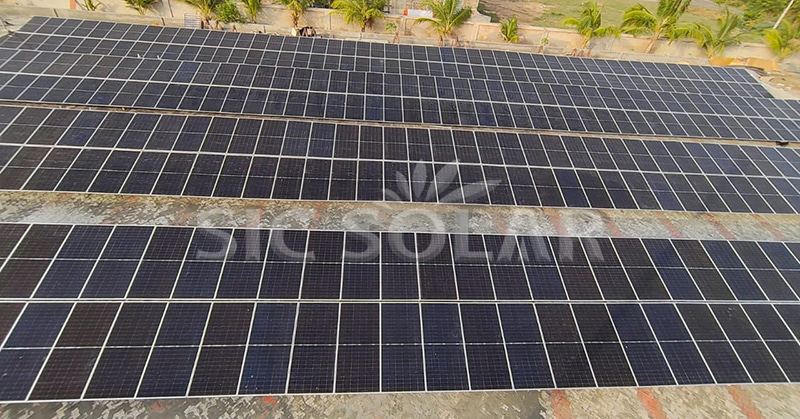
How to Install a Solar Fence System Step-by-Step Guide for Beginners

The use of a solar fence system has been one of the most effective means of ensuring security to property and will save a lot of electricity. Solar fences are an intelligent and eco-friendly solution, whether they are used in farms, residential areas or industrial areas.

But if you are new and you do not know where to begin do not worry. This step adieu will take you through the whole process of installation step by step, starting with the preparation down to the setup. And yes, you do not have to be tech savvy to do it right.

What Is a Solar Fence?

A solar fence is also an electric fence which is powered by solar. It is made of solar panels, fencing wires, an energizer and grounding rods. The usage of these fences is very common in agricultural farms, military areas, and residential properties to stop any intrusion.

These systems are also suitable in areas with poor sources of power mainly in remote locations due to the source of power which is solar.

Why Choose a Solar Fence?

It is better to understand why a solar fence is a preferred choice to get into the installation:

  • Environmental: Exploits renewable source energy (sun).
  • Low Maintenance: Less parts, less trouble.
  • Cost-Effective: The costs of running the system is cheap once installed.
  • Can be relied upon: Performs even at the off-grid sites.
  • Modifiable: It can be modified according to the various terrains and its uses.

Firms such as Corigy have made the mounting part very easy, especially since it provides trustworthy vertical mounting brackets to effectively install solar fencing structures. These also are easy to align and they perform well hence the installation is made very easy.

Tools and Materials You Will Need

Before beginning, make sure you have the following:

  • Solar panel (preferably bifacial)
  • Fence energizer
  • Battery (12V or more)
  • Fencing wire (steel or polywire)
  • Fence posts (metal or plastic)
  • Grounding rod and clamps
  • Warning signage (as per local regulations)
  • Wire tighteners
  • Multimeter (to test voltage)
  • Corigy 's vertical mounting bracket (if you are using bifacial panels)

Step 1: Choose the Location

Start by selecting a suitable site for installation. Look for:

  • Best Sunlight Exposure: An all-day exposure to the sun should be given to the solar panel.
  • Flat Ground or Mellow Slope: More comfortable in the matters of wiring and the panel attachment.
  • Security and Visibility: To achieve good security, it is advisable not to locate in shaded and dark places.

This location will become the control hub for your solar fence system.

Step 2: Plan the Layout

Sketch the fence route before installing the posts. Decide:

  • Total length of fencing required
  • Number of corners and turns
  • Placement of the solar panel and energizer

Make sure the layout accounts for gates or entry points.

Pro Tip: Always keep the energizer in the center of the fence route for balanced energy distribution.

Step 3: Install Fence Posts

Using a post driver or digging tool, fix the fence posts along the marked path.

  • Maintain consistent spacing (8–12 feet between each post)
  • For corners, use stronger or wooden posts
  • Make sure all posts are vertically aligned

Once the posts are in place, you're ready to string the wires.

Step 4: Mount the Solar Panel

This is where things can be simplified using a bifacial solar panel with vertical mounting brackets. Corigy offers a durable solar fence vertical mounting solution that ensures firm placement of your panels with minimal tools.

The process is straightforward:

  • Fix the vertical mounting bracket to the fence post
  • Attach the bifacial panel to the bracket
  • Angle it in the correct angle (about 30 to 45).

Make sure the panel is turned as per the sun and that it is tightly connected so that it does not wobble on shaking wind.

Step 5: Connect the Battery and Energizer

When the panel is secured, what you need to connect it to next is a deep-cycle battery, and this is where solar energy is stored to be used at night or during cloudy days.

Steps:

  1. Hook up the two positive and negative cables of the solar panel with the battery.
  2. Place the energizer near the battery.
  3. Connect the energizer to the battery.
  4. Connect the energizer output to the fencing wire.

To prevent the waste of energy, use quality connectors. It is also best to protect the battery and energizer with rain and direct sun.

Step 6: Lay the Fencing Wire

Now comes the physical fence. Begin to coil the wire around the post starting in one corner and continuing in a round way.

  • Use wire tighteners to keep tension even
  • Add insulators to prevent wire contact with posts
  • Place warning signs along the perimeter if required by law

Always leave some slack at the end so you can connect it to the energizer later.

Step 7: Ground the System

Grounding ensures the fence delivers an effective jolt when touched. It's crucial for the system's performance.

Steps:

  1. Drive at least one grounding rod 4–6 feet deep into moist soil.
  2. Connect it to the energizer's ground terminal using a ground clamp.
  3. If the soil is dry, install multiple rods spaced 10 feet apart.

A poorly grounded system will result in weak shocks or system failure.

Step 8: Final Wiring and Connection

Now, connect the fencing wire to the energizer's hot terminal. Make sure:

  • The connection is tight
  • No wire is in contact with vegetation (it reduces voltage)
  • The voltage is tested using a multimeter

A properly working solar fence should read around 3,000–5,000 volts on a meter.

Step 9: Testing the System

Walk around the perimeter and use a fence tester to check voltage at multiple points.

  • Check for weak spots or shorts
  • Tighten any loose wires
  • Make adjustments where needed

Make sure the system is active both day and night. The battery should be charged and the energizer working consistently.

Step 10: Maintenance Tips

Solar fences need very little upkeep, but regular checks will ensure peak performance:

  • Clean solar panels monthly to remove dust
  • Trim vegetation near the fence
  • Check voltage levels weekly
  • Inspect for rust or corrosion on wires and posts

Corigy 's mounting brackets are corrosion-resistant, which helps reduce long-term maintenance.

Common Mistakes to Avoid

Even though the installation is simple, there are mistakes beginners often make:

  • Installing the panel in a shaded area
  • Using low-quality fencing wires
  • Skipping the grounding system
  • Letting vegetation touch the live wires
  • Overlooking the panel tilt and alignment

Avoiding these can save time and extend the life of your fence system.

Final Thoughts

It is not necessary to make installing a solar fence complicated. When done properly with appropriate tools and recommendations it can be a painless procedure that is cost effective and provides good security. By selecting dependable parts such as vertical mounting brackets made by Corigy you will create a system that will out last and operate reliably under all conditions.

Solar fence is a long-term and cost-effective investment, whether you are setting up the system as a new one or merely upgrading it.

So take the leap, go solar—and build your fence the smart way.


Continue
Solar Panel Parking Lots Boost Energy & Save Space

Parking lots have always served useful purposes, but soon these will go another notch by being better sources of energy. As sustainability becomes a bigger focus across industries, solar panel parking lots are emerging as a smart, space-saving way to reduce costs and support clean energy goals.

Such systems (for the professionals of the construction, planning, and commercial real estate sectors) give an opportunity to achieve the energy objectives without compromising functionality. As a matter of fact, they perform more using less—creating electricity along with enhancing daily usability.


What Are Solar Panel Parking Lots, and Why Are They Important?

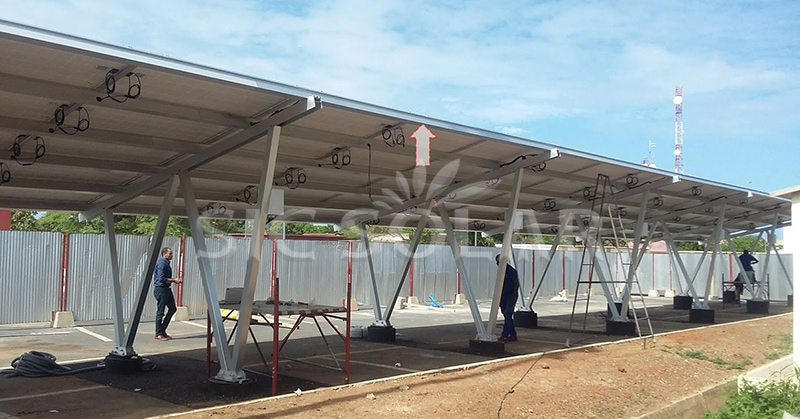
A solar panel parking lot is simply what is implied by having a regular parking lot and fitting it with solar panels in the air. To make these panels, they are mounted on high frames made out of steel or aluminium and, in most cases, cantilevered to shade vehicles and harness clean energy in the form of sunlight simultaneously.

They are space efficient, especially in the urban setup where land area is scarce. They can convert the current infrastructure owned by property owners to become energy-generating systems instead of erecting massive and distant solar farms.

Key Benefits of Solar Panel Parking Lots

Dual-purpose design

Such systems have two functions. They help cars to be cooler since they create a shade, and they also make electricity during the day in a silent manner. Those twofold advantages tend to turn them into perfect locations for shopping centres, office parks, or campuses.

Low energy expenses

The electric-generated solar power can be consumed at the same place directly as light or air conditioning or alternatively offset a section of the power demand of a building. That makes a proper saving on utility bills in the long run.

Environmental impact

Transformation to solar involves an implication of the reduction of fossil fuels. By using solar panel parking lots, companies can reduce their carbon footprint and take meaningful steps toward climate commitments.

Enhanced user experience

Nobody enjoys getting into a car that’s been baking in the sun. With covered parking, these systems improve comfort for drivers while also protecting vehicles from weather damage.

Incentives and tax credits

The solar projects enjoy tax breaks or rebates from the government in most areas. To the business, it is an even greater advantage to the initial investment project in the long-term sense.

Supporting ESG and Corporate Sustainability

Environmental goals aren’t just about good PR anymore. Investors, regulators, and even customers now expect companies to take real action. That’s why solar investments are becoming a go-to strategy for meeting ESG (Environmental, Social, Governance) goals.

Solar panel parking lots are highly visible and highly effective. These things are symbols of improvement, accountability, and resourcefulness, something worthwhile in the contemporary business world.

Where Are Solar Panel Parking Lots Being Used?

These systems are incredibly versatile. We’re seeing them in:

  • Corporate campuses, where they help reduce energy bills and improve the employee experience
  • Retail spaces, where shoppers enjoy shaded parking while stores benefit from clean power
  • Hospitals, where consistent energy supply is critical
  • University campuses, where solar parking becomes both a power source and a teaching tool
  • Government properties, where renewable energy mandates are driving infrastructure upgrades

Corigy has become a trusted name in this space, offering customisable systems like their six-vehicle cantilever structure. It’s a strong, efficient, and easy-to-install solution for a wide range of facilities.

Interventions to the Challenges

Like any smart investment, solar panel parking lots come with considerations:

  1. The first question is the cost upfront. Although such systems are not inexpensive, their long-term savings and the incentives inherent therein tend to level the balance within a few years.
  2. Readiness of sites is an issue, too. Some places might need to test their soil or load check prior to installation.
  3. Zoning and permits may be time-consuming, particularly in areas that have stringent building regulations. This is why project partners will need to be experienced.
  4. It does not require much maintenance, nevertheless. Panels must be clean and checked regularly in order to give optimised performance.
  5. Most of these worries are quite easy to address with a proper team and planning in place; after all, the payoff is long-term.

Why Cities Are Turning to Solar Panel Parking Lots

Urban areas are under pressure to meet clean energy targets, reduce emissions, and make smarter use of limited space. Solar panel parking lots tick all those boxes.

They help cities:

  • Generate power without using new land
  • Offer shade and shelter in high-traffic zones
  • Prepare for EV adoption with integrated charging stations
  • Reduce the urban heat island effect
  • Align with clean energy policies and mandates

It’s no surprise that more municipalities are making solar parking structures a part of their planning.

Corigy’s Contribution to Smart Solar Infrastructure

Corigy’s engineering team has spent years refining their solar mounting systems. The result? Durable, high-performance parking structures that fit a variety of sites.

Their six-car solar parking solution is popular among schools, commercial lots, and government projects. It’s built to resist corrosion, handle heavy weather loads, and install with minimal site disruption.

For projects that require performance and reliability, it’s a strong choice.

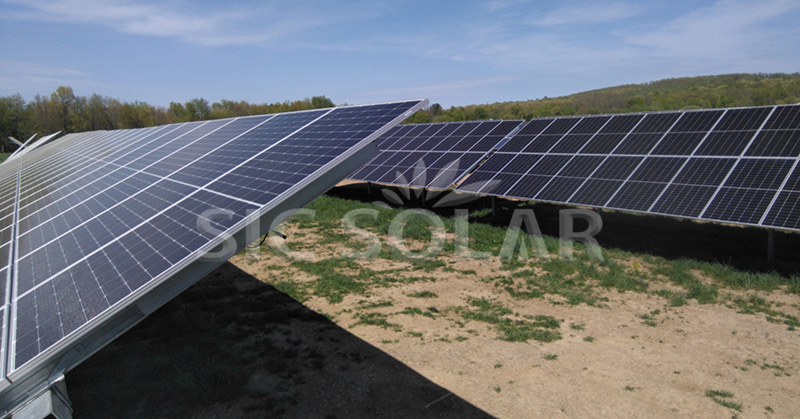
Comparing Solar Panel Parking Lots to Ground-Mounted Systems

There’s often a choice to be made between rooftop, ground-mounted, or parking lot solar. Here’s why many professionals are choosing the last option:

Feature

Solar Panel Parking Lots

Ground-Mounted Systems

Space use

Makes use of existing parking

Needs dedicated land

Functionality

Shade + energy

Energy only

Installation complexity

Moderate

Depends on site size

Aesthetic appeal

Modern, blends into property

May require fencing/landscaping

EV-readiness

Easy to integrate

Requires separate planning

In cities or developed areas, solar parking lots are often the most practical path forward.

Looking Ahead: The Future of Solar Panel Parking Lots

Parking lots are long, underexploited parking places. They are now becoming important components of the clean energy transition. With increased deployment of electric vehicles on roads and increased need of sustainable infrastructure, the systems are bound to be more worthwhile.

Solar panel parking lots don’t just check a box. They prepare organisations for a future where power is clean, local, and smart.

By choosing adaptable systems now—like those Corigy provides—businesses and governments can reduce risk, cut energy costs, and meet long-term goals.

Conclusion

Solar panel parking lots offer more than energy—they offer a smarter way to build. Businesses, governments, and institutions are reaping the real value by converting parking spaces into clean power sources.

The best part? You don’t have to start from scratch. With trusted systems from companies like Corigy, the shift to solar is within reach—economically, technically, and operationally.

Now is the time to power up your parking.

FAQs

Q1. Why don't we install solar panels in the parking lots?

Ans. Traditionally, a lot of people did not want to use them either because they were expensive or could not be installed. However, with enhanced engineering and great economic incentives, they have become a viable alternative to many properties.

Q2. Which company can have solar panels on one of their parking lots?

Ans. Walmart, Apple, and Google are some of the firms that have incorporated the use of solar carports to generate energy and cut costs on energy. It belongs to a greater trend in favour of clean infrastructure.

Q3. What are the solar parking lots?

Ans. They are parking spaces that have solar panels mounted overhead. The structures offer shaded parking areas as well as renewable energy, and this is done in a single system.

Q4. Which company can have solar panels on one of their parking lots?

Ans. A number of Fortune 500 companies, universities, and government institutions have ventured into the use of solar parking. It has been an effective framework for integrating sustainability and daily operations.


Continue
What is a Solar Canopy?

A solar canopy is a raised structure that supports solar panels, usually installed over open areas like parking spaces. In comparison to the rooftop solar setups, this setup will generate shaded spaces down the ground, and clean energy above. It converts virgin land to energy-generating property.

There is increasing demand in the need of both efficient and sustainable infrastructure. That's why many businesses are turning to solar panel parking lots —a strategic way to achieve clean energy goals without sacrificing space.

Why Use a Solar Canopy?

Installing a solar canopy is a practical step toward energy independence. It serves two purposes at once: creating power and shelter offering. This dual functionality makes it an ideal solution for commercial, industrial, and municipal properties.

Key Benefits:

  • Maximizes energy production without taking up extra space
  • Keeps vehicles protected from UV, rain, and snow
  • Reduces heat absorption in parking areas
  • Helps organizations meet renewable energy targets

These canopies are often seen in solar panel parking lots , where they help cut energy costs and improve site utility.


The Rise of Solar Panel Parking Lots

Solar panel parking lots are becoming essential in the shift toward green infrastructure. They offer an eco-friendly use of space, turning standard parking lots into power stations.

Systems like these are especially useful in cities and corporate campuses where roof space may be limited. A high-quality solar canopy improves efficiency, requires little maintenance, and boosts the property's value.


Why Professionals Choose Corigy?

Trusted by industry experts, Corigy provides cutting-edge solar mounting systems. Their modern cantilever solar canopy models offer superior durability and sleek aesthetics. Designed for various site needs, they make it easy for professionals to scale solar projects without extra land or complexity.

From engineering to execution, Corigy helps clients get the most out of every square foot.


Future-Ready and Functional

A solar canopy is not just a trend—it's a long-term solution. As energy prices continue increasing together with an increased demand of sustainability, the system is characterized by a high ROI. Adoption is even cheaper because there are many government programs that ask tax credits or incentives.

By investing in a solar canopy, businesses not only save money but also show commitment to a cleaner future.

FAQs

Q1. What is the main purpose of a solar canopy?

A solar canopy is designed to generate solar energy while providing covered shelter, mainly in parking lots or open spaces.

Q2. How efficient are solar panel parking lots?

Solar panel parking lots are highly efficient, especially when placed in areas with high sun exposure. They provide dependable electricity besides enhancing utilization of space.

Q3. Can I install a solar canopy in an existing parking lot?

Yes. A solar canopy can be added over existing parking structures with minimal disruption to daily use.

Q4. Is maintenance required for a solar canopy?

It does not require a lot of maintenance. Systems are maintained at the highest levels of performance through occasional cleaning as well as periodic inspections.

Q5. What is the reason behind companies buying solar canopies?

They supply clean power, minimize the energy cost, protect vehicles, and brand the environment well.


Continue
Advantages of Hydrogen Bikes

    Compared with traditional bicycles and electric bicycles, hydrogen bicycles have many significant advantages, which are mainly reflected in environmental protection, endurance and convenience of use, as follows:

1. Environmental protection and zero emission

    Hydrogen bicycles are powered by hydrogen fuel cells, which only emit water vapor when working, and are completely free of pollutants such as carbon dioxide and nitrogen oxides. They are far more air-friendly and environmentally friendly than fuel vehicles, and are also better than some electric vehicles that rely on thermal power generation for charging.

2. Long battery life

    A tank of hydrogen (usually a few dozen grams) can support a hydrogen-powered bicycle to travel 50-100 kilometers. The range is far longer than that of ordinary electric bicycles (usually 30-70 kilometers), and is close to or exceeds that of some fuel-assisted bicycles, which can meet the needs of medium and long-distance travel.

3. Fast hydrogenation speed

    It only takes 3 to 5 minutes to refill hydrogen, which is comparable to the refueling speed of a fuel vehicle and much faster than the several hours of charging time for an electric bicycle. This greatly reduces waiting time and improves usage efficiency.

4. Lightweight and flexible structure

    The weight of the hydrogen fuel cell system and hydrogen storage tank is relatively controllable, and the weight of the entire vehicle is usually lighter than that of an electric vehicle equipped with a large-capacity battery, making it more labor-saving to ride and easier to carry.

5. Stable low temperature performance

    Hydrogen fuel cells can still work normally in low temperature environments (such as -20℃), while the endurance of traditional lithium battery electric vehicles will be greatly reduced in low temperatures. Therefore, hydrogen bicycles are more practical in cold areas.

6. Low reliance on energy supplements

    Hydrogen can be produced in a variety of ways (such as electrolysis of water, industrial by-product hydrogen, etc.). If the hydrogen refueling station network is gradually improved in the future, its energy replenishment flexibility will be better than electric vehicles that rely on power grid charging.

    However, the popularization of hydrogen-powered bicycles currently still faces problems such as insufficient hydrogen refueling station facilities and high costs of hydrogen storage tanks. But in the long run, its advantages in environmental protection and endurance make it one of the important options for future green travel.

Continue
Comparison of Hydrogen Fuel Cell Power Systems and Hydrogen Internal Combustion Engines

    The basic principle of hydrogen fuel cells is to convert the chemical energy found in fuel into electrical energy through electrochemical reactions.The working principle of a hydrogen fuel cell involves hydrogen being broken down into electrons and hydrogen ions (protons) by a catalyst (platinum) in the fuel cell's anode. Protons pass through the Proton Exchange Membrane to the cathode, where they react with oxygen to form water and heat. The corresponding electrons flow from the anode to the cathode through an external circuit, generating electrical energy.The structure of hydrogen fuel cell stacks primarily consists of bipolar plates, membrane electrodes (proton exchange membrane coated with catalyst layer), gas diffusion layers, insulating plates, etc. Then, based on the stack, additional systems such as the air system, hydrogen system, electronic and electrical system, and water-thermal management system are integrated to form a hydrogen fuel cell power system, which is essentially a hydrogen fuel cell engine.

    Hydrogen internal combustion engines obtain power by burning hydrogen, and this type of engine, like conventional fuel engines, operates on four strokes: intake, compression, power, and exhaust, with hydrogen replacing conventional fuels.Taking the Cummins engine as an example, the structure of the hydrogen internal combustion engine is essentially similar to that of a natural gas engine, which includes components such as the cylinder block, crankshaft, cylinder head, ignition system, and mounting parts; parts of hydrogen internal combustion engines and diesel engines are also partly interchangeable, such as cylinder blocks, crankshafts, supports, flywheel housings, and other mounting components. The high degree of similarity and interchangeability of these components can utilize the economic advantages of Cummins hydrogen internal combustion engines, enhance equipment reliability, and provide crucial support in the industry's transition to low-carbon practices.

    The similarities between both require hydrogen and oxygen to participate in the reaction; All fuel storage units and hydrogen storage tanks are required; can power the vehicle. The difference is that the two generate energy in different ways, which also leads to a significant difference in efficiency, so fuel cell vehicles will have more mileage under the same hydrogen consumption; The way engines are built is also completely different; Fuel cells are more environmentally friendly than hydrogen combustion engines. In addition, there is no difference in the speed of energy release, and both internal combustion engines and fuel cells can achieve short-term high-power output.
    Compared with the two routes, the advantages of hydrogen fuel cells are high conversion efficiency, low pollution emissions, and high degree of commercial application, especially in terms of conversion efficiency, the thermal efficiency of hydrogen fuel engines is difficult to exceed 45%, while the conversion efficiency of hydrogen fuel cells can reach more than 60%.
    The advantages of hydrogen fuel engines are low cost (about 10% of fuel cells), low requirements for the purity of hydrogen, and the ability to be retrofitted with existing fuel engines. In addition, hydrogen internal combustion engines are more suitable for use in commercial vehicles such as medium- and heavy-duty trucks due to their higher output efficiency under high load conditions.

Continue
Hydrogen Energy The Rising Star of Future Energy​

Amid the dual pressures of global energy transition and environmental protection, hydrogen energy has emerged as a clean, efficient, and renewable energy source, capturing the attention of nations and industries worldwide.


Hydrogen energy is highly regarded due to its unique advantages. First,it boasts an exceptionally high energy density. With a combustion heat value of approximately 33.3 kWh per kilogram, hydrogen far surpasses traditional gasoline and diesel. This means hat, at the same weight, hydrogen delivers significantly more energy, enhancing overall efficiency. In the transportation sector, hydrogen fuel cell vehicles (HFCVs) benefit from long driving ranges and rapid refueling, making them a viable alternative to conventional internal combustion engine vehicles and reducing reliance on fossil fuels.


​​Second, hydrogen is a clean, zero-emission energy source. When combusted, it produces only water, emitting no COâ‚‚ or harmful pollutants, thereby contributing to carbon reduction and improved air quality. In the context of global climate change mitigation, hydrogen energy plays a crucial role in achieving carbon peak and neutrality targets.

Moreover, hydrogen is renewable. It can be produced via water electrolysis or other renewable energy sources (such as solar and wind power), enabling a sustainable energy cycle.​

Hydrogen energy has broad applications, spanning transportation, power generation, and industrial uses.


Transportation:

Hydrogen fuel cell vehicles (HFCVs) represent a major application, offering ​​Zero emissions, extended range, and fast refueling compared to traditional vehicles. Several countries have already established hydrogen production facilities and pipeline networks to support this sector.

Power Generation:

Hydrogen serves as an energy storage medium and a grid-balancing resource. Excess renewable electricity can be converted into hydrogen via electrolysis and stored; when demand rises, hydrogen can be reconverted into electricity, enhancing grid stability and renewable energy utilization.

Industrial Use:

Hydrogen is widely used in chemical synthesis, metal refining, welding, and electronics manufacturing. It also functions as a coolant and reducing agent in industrial processes. While hydrogen applications in industry are already mature, ongoing technological advancements and cost reductions are expected to expand its role further.


As hydrogen production technologies evolve, this versatile energy carrier is poised to become a cornerstone of the sustainable energy future.

Continue
​​The Rise of Cathode-Sealed Air-Cooled Fuel Cell Stacks​

The "Blowout" of Cathode-Closed Air-Cooled Stacks is Coming With the gradual expansion of low-power application scenarios such as tourist buses, forklifts, unmanned aerial vehicles (UAVs), and two-wheeled vehicles, air-cooled stacks have slowly entered the vision of mainstream fuel cell applications. Cathode-closed air-cooled stacks, with their advantages of good environmental adaptability, durability, and simple maintenance, have attracted much attention in the air-cooled fuel cell technology route and become a hot spot of pursuit. 


Technical Characteristics and Application Status of Cathode-Closed Air-Cooled Stacks

Air-cooled stacks can be divided into two categories according to their structural characteristics: cathode-open and cathode-closed. Among them, the open cathode air-cooled stack: the cathode is directly exposed to the environment, and ambient air is introduced into the stack through devices such as fans. The air serves both as a source of reaction gas and as a heat dissipation medium.


The cathode-closed air-cooled stack is characterized by the fact that the cathode is not in direct contact with the environment, and air supply and heat dissipation are carried out separately. A dedicated air supply system, such as a blower or air compressor, is usually required to provide the oxygen needed for the reaction, and an independent heat dissipation system is used to remove the heat generated during the operation of the stack.


Compared with open cathode air-cooled stacks, cathode-closed air-cooled stacks are less affected by environmental factors (such as temperature, humidity, and air quality) due to the independent air supply and heat dissipation. Moreover, they can to a certain extent avoid the adverse impact of polluted air on the service life of fuel cells, resulting in better durability and longer service life.


"The performance of cathode-closed air-cooled stacks largely depends on the design of gas channels and manifolds to uniformly distribute the supplied air," said a technical director of a domestic stack enterprise. Cathode-closed air-cooled stacks require complex air supply subsystems, which may include compressors, humidifiers, air filters, etc. This also makes them relatively less affected by surrounding environmental conditions, especially temperature and humidity. 


Of course, the advantages of cathode-closed air-cooled stacks are based on their relatively complex structure, which also leads to their relatively higher cost compared with open cathode air-cooled stacks. As Gaogong Hydrogen Power learned in the survey, as of June 2025, under the premise of bulk procurement, the price of open cathode air-cooled fuel cells is generally more than 4,000 RMB/kW, and the price of cathode-closed air-cooled systems is at least 30% higher than the former.


At this stage, cathode-closed air-cooled stacks are suitable for high-power density applications (greater than 1A/cm²). The application scenarios require sufficient space for fuel cell auxiliary systems (cooling, air supply, and pretreatment subsystems), with a typical power range between 2 kW and 100 kW.


Overall, at this stage, as the fuel cell industry gradually expands from high-power water-cooled stack systems used in commercial vehicles and passenger cars to small and medium-power air-cooled stack systems such as UAVs, forklifts, and two-wheeled vehicles, the market expansion of closed air-cooled fuel cells has just begun. Whether it can seize more market share with its own advantages remains to be seen. From the perspective of future technological development trends, future research on closed air-cooled stacks needs to focus on minimizing support systems to reduce the complexity, parasitic load, and floor space of the overall system, as well as conducting system management and control to achieve optimal performance.


Continue
Project Update | Metal Roof Solar System in Zhangzhou, Fujian

We’re excited to share another successful project delivery by JinMega — a 473.06kW distributed PV project for Shanfeng in Zhangzhou. Fujian. From initial site entry on May 8 to grid connection on May 29, the project set a new internal benchmark for delivery speed — reflecting JinMega’s strong project execution capabilities.


This system adopts JinMega’s metal roof mounting solution, designed for high performance and long-term reliability on metal rooftops. Our mounting structures offer:


·Fast Installation:  Pre-assembled components reduce on-site labor time

·Strong Compatibility:  Fits various metal roof profiles

·Corrosion Resistance:  Engineered for coastal and industrial environments


With a balance of efficiency, strength, and simplicity, JinMega's mounting systems empower rooftop solar deployment across industrial and commercial sectors.

Looking to power your rooftops with speed and stability? Explore our Metal Roof Mounting Series — engineered for performance, built for results, please click here.


Continue
Project Update | Rooftop Solar System in Xiamen, Fujian

We’re proud to share the completion of a new 400kW rooftop PV project in Xiang’an, Xiamen. From contract signing at the end of April to grid connection on May 29, this project set a new internal record for JinMega—just 21 days from initial site entry to final commissioning. 


Designed with our ballast-based mounting system using concrete blocks, the installation delivers both structural stability and efficiency, perfectly suited for flat industrial rooftops where penetration is not permitted. The solution ensures ease of installation, minimized roof load, and long-term durability, even under coastal climate conditions. 

Looking for more high-performance rooftop solar solutions? Explore our latest systems here


Continue
Balcony Solar Mount Maximize Energy with a Smart Installation

Imagine that you're sipping coffee on your balcony while an invisible power station silently offsets your electricity bill. No yard, no roof access, no problem. This isn't sci-fi—it's the reality of modern balcony solar mount technology. For millions in apartments, condos, and urban homes, these ingenious systems are rewriting the rules of energy independence. Let's explore how you can tap into this revolution.

balcony solar mount

Why Your Balcony is a Secret Solar Powerhouse

Forget sprawling backyards. Balconies are the unsung heroes of urban solar:

  • Space Genius: Transform 10 sq ft into an energy generator.
  • Plug-&-Play Magic: Most systems connect like appliances—no electrician needed.
  • Instant ROI: Slash 10-30% off your electricity bill immediately.
  • Eco-Warrior Status: A single 600W reduces setup CO2 by ~1 ton annually—equivalent to planting 23 trees.

*"My landlord said 'no' to roof panels but didn't blink at my balcony setup. Now I save $45/month!" – Raj T., Toronto*

How Balcony Solar Mounts Actually Work

Unlike clunky rooftop rigs, a balcony solar mount system uses sleek, aerodynamic frames that clamp onto railings or bolt discreetly to walls. Solar panels feed power through a "plug-in solar device" (micro-inverter) directly into any outdoor outlet. The best part? Most regions waive permits for systems under 800W—though always verify local rules!

7 Benefits That'll Make You Rethink Your Balcony

  1. Rooftop? Not Required: High-rises, rented spaces, or historical homes—your balcony qualifies.
  2. Move-Friendly Power: Relocating? Unplug and take your investment with you.
  3. DIY Delight: Install most kits in <2 hours with basic tools (wrench, screwdriver).
  4. Storm-Proof Security: Modern mounts withstand 80+ mph winds when properly installed.
  5. Hidden Inflation Shield: Lock in energy costs as utility rates climb.
  6. Community Catalyst: Your often setup inspires neighbors (like Maria's Barcelona building with 27 solar balconies!).
  7. Stealth Aesthetics: Low-profile designs blend seamlessly with urban landscapes.

Your Pre-Installation Checklist: 5 Non-Negotiables

1. Structural Safety Scan:

  • Concrete balconies = ideal.
  • Wooden railings? Reinforce with horizontal braces.
  • Avoid cantilevered balconies without engineer approval.

2. Sunlight Forensics:

  • Use a free app like Sun Surveyor for 3-day light mapping.
  • South/West-facing? Gold standard. North-facing? Not hopeless—special mounts can optimize.
  • Watch for "solar thieves": AC units, seasonal shadows from buildings.

3. Regulatory Radar:

  • HOAs: Frame it as a "temporary balcony appliance."
  • Landlords: Highlight UL-certified safety and reversibility.
  • Utilities: Some require notification (rarely permits) for grid-tied systems.

4. Gear Quality Audit:

  • Avoid flimsy mounts: They risk panels becoming airborne debris.
  • Seek aircraft-grade aluminum frames with anti-corrosion coating.
  • Ensure IEC 61215 certification for panels and UL 1741 for inverters.

5. Future-Proofing:

  • Leave room for 1-2 extra panels.
  • Choose adjustable-angle mounts for seasonal optimization.

The Installation Lowdown: Simpler Than Assembling IKEA Furniture

Modern balcony solar mount kits prioritize user experience:

Step 1: Secure the Frame

  • Railing mounts: Tension clamps grip without drilling (perfect for renters!).
  • Wall mounts: Use corrosion-proof anchors for permanent setups.

Step 2: Panel Attachment

  • Slide panels into channels—tool-free systems exist!
  • Angle at 30°-40° (ideal for snow shedding and winter sun).

Step 3: Plug & Profit

  • Connect the micro-inverter to the outdoor outlet.
  • Download a monitoring app to track real-time savings.

Pro Tip: Cloudy climate? Opt for monocrystalline panels—they outperform in low light.

balcony solar mounting kit

Why Mount Quality is Your Silent Check

A cheap balcony solar mount risks thousands in damage. A premium mount? It's the invisible workhorse ensuring:

  • Safety: Certified wind/load ratings prevent disasters.
  • Longevity: Rust-proof materials survive coastal air and snow.
  • Efficiency: Precision angles boost energy harvest by 15-25%.

After stress-testing 12+ systems, I consistently recommend the Corigy Balcony Mounting Kit . Its German-engineered tension clamps and tool-free tilt adjustments solve 90% of urban solar headaches—making it a top choice for hassle-free energy harvesting.

Beyond Savings: The Ripple Effect You Create

When you install a balcony solar mount, you join a global movement:

  • Policy Change: Berlin now subsidizes balcony solar. Your adoption fuels local advocacy.
  • Grid Relief: Distributed solar reduces neighborhood blackout risks during heatwaves.
  • Value Boost: Studies show solar-equipped rentals command 3.5% higher prices.

Busting 4 Persistent Solar Myths

Myth 1: "Balcony systems don't generate meaningful power." Reality: A 600W setup (2-3 panels) powers refrigerators + laptops + LED lighting daily.


Myth 2: "Winter production tanks to zero." Reality: Snow reflects light! Panels often over perform in cold, sunny conditions.


Myth 3: "Installation requires an electrician." Reality: UL-certified plug-in systems are DIY-safe (always follow manuals!).


Myth 4: "Panels damage railings." Reality: Proper mounts distribute weight evenly—often <5 lbs per clamp.

Maintenance Made Mindless

  • Monthly: Wipe panels with 1:3 vinegar-water solution (5 mins max).
  • Seasonally: Adjust tilt—steeper in winter, flatter in summer.
  • Annually: Check bolt tightness and corrosion points.

Your Action Plan: From Dream to Kilowatts

  1. Calculate Needs: Track your kWh usage (check utility bills).
  2. Start Small: A single 300W panel kit tests viability.
  3. Gear Up: Prioritize mounts with >10-year warranties.
  4. Install Smart: Morning = best time for shadow-free setup.

"I started with one panel. Within a year, my whole building had them. Management even installed communal charging ports!" – Diego M., Mexico City

image of balcony solar mount

The Future is Balcony-Bright

Innovations are accelerating:

  • Integrated Solar Railings: Panels built into balcony structures (2025 launch).
  • AI Optimizers: Auto-tilting mounts that track sun via smartphone.
  • Community Virtual Plants: Pool balcony-generated credits with neighbors.

Conclusion

Let's be real: the energy revolution isn't just happening on sprawling suburban rooftops anymore. It's unfolding quietly on city balconies, high-rise terraces, and rented patios—anywhere someone dares to reimagine "home" as something more resilient. A balcony solar mount isn't just hardware; it's a key to energy democracy.

Think about what you've gained by considering this:

  • Freedom from Limits: No yard? Renting? Your balcony is now a viable power source.
  • Tangible Control: Slash bills now while hedging against future rate hikes.
  • Quiet Impact: That humble panel outside your window? It's actively shrinking your carbon footprint with every sunset.
Continue
Home Archives