What Are Types of Solar PV Electrical Systems Suitable for Rooftops?

Rooftop solar power is one of the most practical and accessible ways to harness renewable energy. Whether for homes, offices, or factories, rooftop systems provide a sustainable way to reduce electricity costs while contributing to a cleaner environment. However, beyond the panels and mounting structures, the choice of solar PV electrical system is equally important. Different system designs can determine how energy is used, stored, or fed back into the grid. Understanding the main types of rooftop solar PV systems helps property owners select the most efficient solution for their needs.

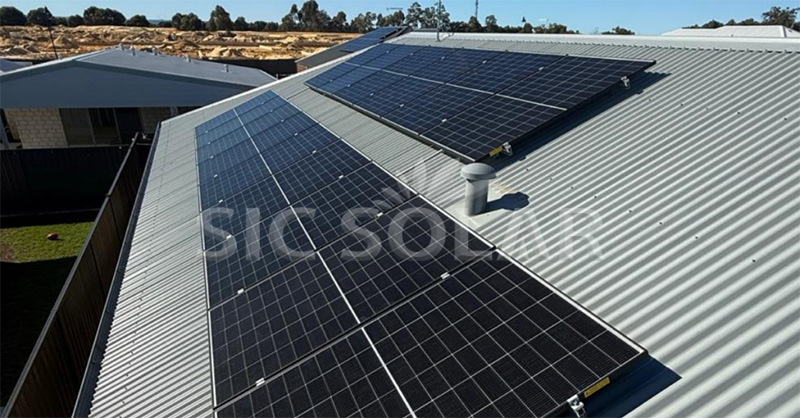
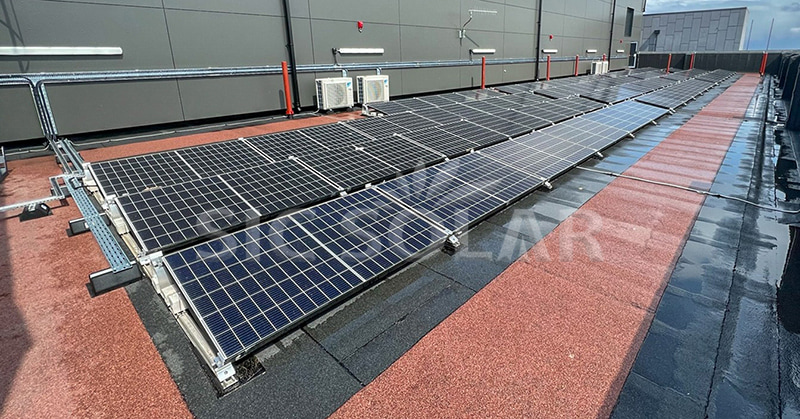
solar power rooftop system

1. Grid-Tied Solar PV Systems
The most common rooftop solar setup is the grid-tied system. In this design, solar panels generate electricity that powers the building, and any excess energy is exported to the local utility grid. This allows property owners to benefit from net metering or feed-in tariffs, depending on regional policies. Grid-tied systems do not typically require batteries, making them more affordable and easier to maintain. However, they rely on the grid for backup power, meaning they won’t function during outages. For residential rooftops with reliable grid connections, this type of system is both efficient and cost-effective.

2. Off-Grid Solar PV Systems
Off-grid systems are completely independent of the electricity grid. They use batteries to store energy, ensuring power is available even at night or during cloudy days. Off-grid rooftop solar is common in remote areas where grid access is limited or unavailable. While it offers energy independence, it requires a larger investment in storage and system components. Proper mounting structures are essential for these installations, as the panels must be optimized for maximum sunlight to ensure reliable energy generation. Companies like SIC Solar, which manufactures photovoltaic mounting brackets, provide strong and durable solutions to keep these systems secure over long lifespans.

3. Hybrid Solar PV Systems
Hybrid systems combine the benefits of grid-tied and off-grid setups. They are connected to the grid but also include battery storage, allowing excess energy to be stored for later use. This ensures a continuous power supply during outages while still taking advantage of net metering programs when connected. Rooftop hybrid systems are increasingly popular in both residential and commercial projects due to their flexibility and resilience. Though they involve higher upfront costs, they deliver greater energy security and long-term savings.

Rooftop solar systems, regardless of their electrical design, rely heavily on high-quality mounting solutions for safety, efficiency, and durability. With secure racking systems from manufacturers such as SIC Solar, installations can withstand environmental stresses while maximizing power output. By carefully choosing both the type of PV electrical system and the right support structures, rooftops can be transformed into reliable sources of renewable energy for decades.

Continue
What Is a Ground Mount Solar Mounting Structure?

When people think of solar energy systems, rooftops are usually the first image that comes to mind. However, solar panels don’t always have to be attached to a building. For properties with sufficient land, ground-mounted solar installations offer an effective and flexible alternative. At the heart of these systems lies the ground mount solar mounting structure, which is the framework that secures panels firmly to the earth while ensuring optimal orientation for energy production.

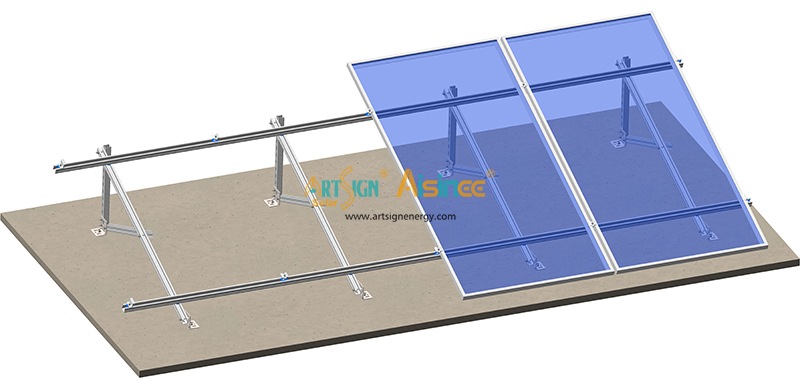
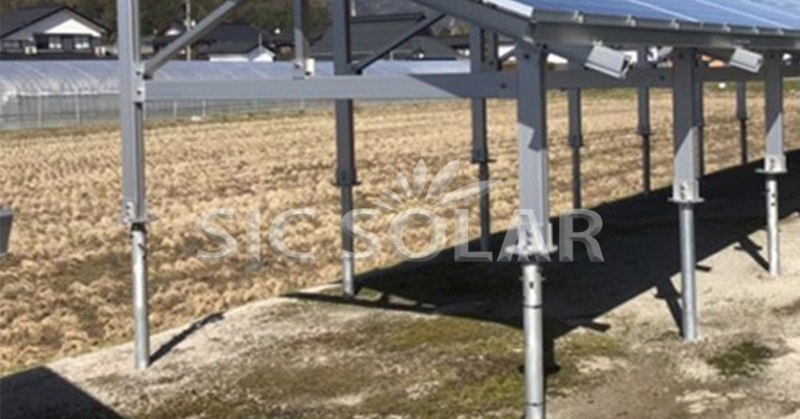
solar array ground mount

A ground mount solar mounting structure is essentially a racking system that holds solar panels above the ground, typically supported by posts, rails, or foundations. Unlike rooftop systems, which are limited by the roof’s angle and available space, ground-mounted structures can be installed at the perfect tilt and direction to capture maximum sunlight. This flexibility often results in higher energy output compared to roof-based systems.

There are generally two main types of ground mount structures: standard fixed-tilt systems and tracking systems. Fixed-tilt systems hold panels at a set angle, chosen to optimize sunlight exposure throughout the year. They are straightforward, durable, and relatively easy to install. Tracking systems, on the other hand, allow panels to move and follow the sun’s path across the sky. While more complex and costly, they can significantly increase electricity generation by keeping panels aligned with the sun for longer periods of the day.

Ground mount structures are built using durable materials like galvanized steel or anodized aluminum, which resist corrosion and withstand environmental stresses such as wind, rain, and snow. These structures must also be engineered to support the weight of multiple panels while maintaining stability over decades of use. Strong foundations, whether driven piles, concrete footings, or ballast systems, are essential to prevent shifting or tilting over time.

One of the additional benefits of ground-mounted solar is ease of maintenance. Since panels are accessible at ground level, cleaning, inspections, and repairs can be carried out more conveniently compared to rooftop systems. This accessibility helps ensure that the system maintains peak performance with minimal effort.

Companies such as SIC Solar, a manufacturer and supplier of photovoltaic mounting brackets, design ground mounting solutions that combine strength, reliability, and ease of installation. Their systems are engineered to meet the demands of both residential and commercial projects, ensuring solar panels remain secure and efficient over their full lifespan.

For anyone with open land and a desire to maximize solar energy production, ground mount solar mounting structures represent a practical and long-lasting solution. By providing stability, optimal orientation, and durability, they form the backbone of efficient solar power generation beyond the rooftop.

Continue
What Is the Disadvantage of a Solar Roof?

Solar roofs have become an attractive option for homeowners and businesses eager to embrace renewable energy without compromising aesthetics. Unlike traditional solar panels that sit atop existing roofing, solar roofs integrate photovoltaic cells directly into the roofing material, creating a seamless and modern look. While the idea is appealing, it is important to recognize the potential disadvantages before deciding if this solution is the right fit.

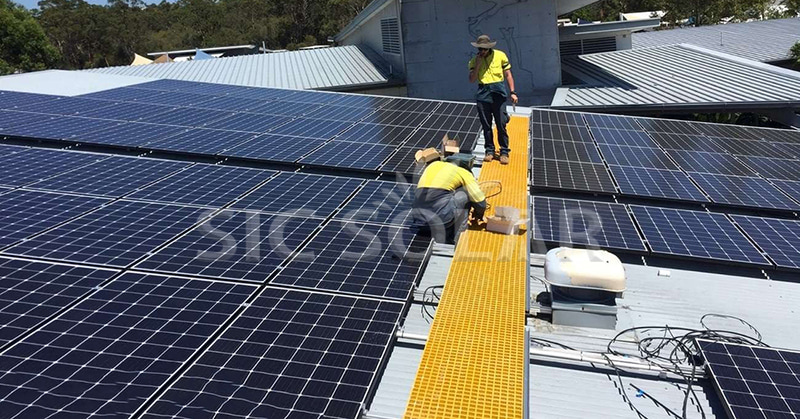
solar system roof tiles

One of the most notable drawbacks of a solar roof is its high initial cost. Traditional solar panels combined with mounting systems are often significantly less expensive than integrated solar roof tiles. This makes solar roofs less accessible to many households, especially when budget is a deciding factor in the shift to renewable energy.

Another disadvantage lies in installation complexity. Installing a solar roof requires specialized expertise, and not all contractors have the necessary training or certifications. The process can also take longer compared to mounting standard solar panels with reliable brackets and clamps. In some cases, homeowners may even need to replace their existing roof entirely to accommodate the solar tiles, adding to the expense and project duration.

Maintenance and repair can also present challenges. If one section of a solar roof malfunctions, repairing or replacing individual tiles may be more complicated and costly than servicing traditional panels. Accessibility is limited, and finding replacement parts can take longer. In contrast, with a conventional solar array mounted on brackets, a faulty panel can be swapped out relatively easily.

Efficiency is another point of concern. While solar roofs continue to improve, traditional solar panels often provide higher efficiency ratings. This means that to achieve the same level of power generation, more surface area may be needed, which is not always possible depending on the size and orientation of a roof.

Durability in harsh climates can also be debated. Although solar roofs are engineered to withstand typical weather conditions, extreme hail, snow, or heat may impact their longevity. Companies like SIC Solar, which specialize in manufacturing and selling photovoltaic mounting brackets, highlight the advantages of conventional panel systems that can be securely fastened and angled for optimal durability and performance.

For many homeowners, solar roofs remain a stylish but premium option. Considering the balance between cost, practicality, and energy efficiency, traditional solar panels mounted with professional-grade systems often provide a more flexible and cost-effective alternative.

Continue
Why Investing in High-Quality Solar Mounting Systems Saves You Money in the Long Run

When people think about solar energy, the focus is usually on panels, inverters, and storage solutions. However, the mounting system—the structure that holds panels in place—is often overlooked, even though it plays a crucial role in the overall success and financial return of a solar project. Choosing a high-quality solar mounting system may seem like a higher upfront expense, but in reality, it can save significant amounts of money over the life of the installation.

One of the most important reasons is durability. A well-engineered mounting system can withstand heavy wind loads, snow, and long-term exposure to harsh weather. Cheaper alternatives may corrode, loosen, or fail over time, leading to costly repairs or even damage to the panels themselves. With a reliable system in place, the risk of unexpected maintenance is drastically reduced.

Another factor is efficiency in energy production. High-quality mounting systems allow panels to be positioned at optimal angles, ensuring they receive maximum sunlight throughout the year. Even a small improvement in efficiency adds up significantly over decades of operation, directly translating to higher returns on investment.

There are also safety and compliance benefits. Inferior materials or poorly designed brackets can pose risks not only to the solar equipment but also to the building or land where they are installed. By using mounting systems that meet international standards, property owners ensure long-term safety while avoiding potential penalties or replacement costs.

From a financial perspective, high-quality mounting systems are an investment in longevity and reliability. Since solar projects are expected to last 20 to 30 years, the structural components must perform for the same lifespan. Choosing a strong, corrosion-resistant system eliminates the need for premature replacements, helping projects stay on budget.

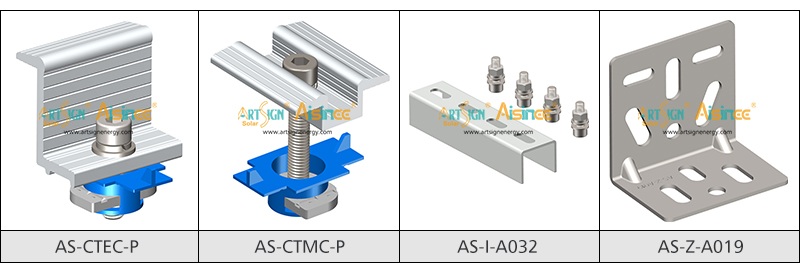
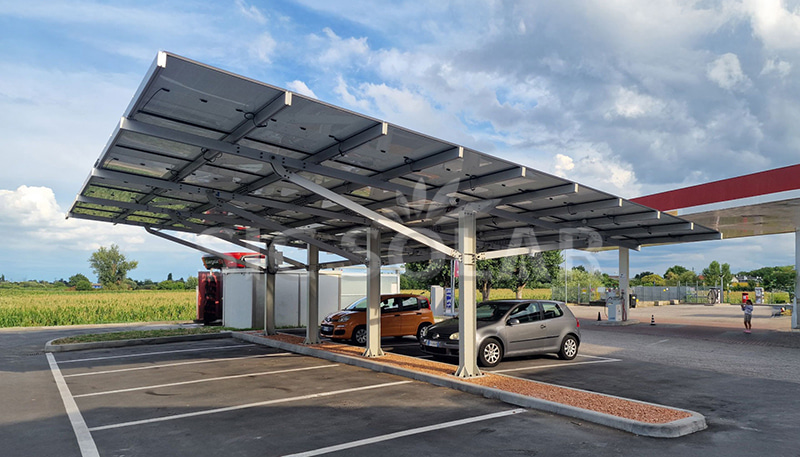
solar roof mounting system

Companies like SIC Solar, a producer and supplier of photovoltaic mounting brackets, design their solutions with this long-term perspective in mind. Their systems are built from robust materials like anodized aluminum and stainless steel, offering resistance to rust and wear. These engineering choices ensure installations remain stable and secure for decades.

In the bigger picture, the cost of downtime, system failures, and inefficient performance far outweighs the modest savings from selecting cheaper mounting solutions. By prioritizing quality from the start, project developers, homeowners, and businesses ensure smoother operation, consistent power generation, and ultimately, greater financial returns.

Continue
Project Update | 650kW Mini Standing Seam Metal Roof Solar System in Mali, Africa

JinMega is driving solar forward across Africa! 

We’re excited to showcase our latest achievement — a 650kW solar project in Mali built with the JinMega Mini Standing Seam Metal Roof Mount system. Designed for precision and efficiency, this solution delivers reliable clean energy while ensuring faster and easier installation on standing seam metal roofs. 


Our Mini Mount solution brings reliability and efficiency to projects across diverse conditions:

- Made of high-strength AL6005-T5 with excellent corrosion resistance, ensuring long service life. 

- Pre-assembled components and snap-in design significantly reduce installation time and labor costs. 

- Compatible with multiple standing seam profiles, offering versatile application and customized options. 


We invite you to explore more of our metal roof mounting solutions designed to optimize performance and simplify installation. Discover More JinMega Metal Roof Products here www.jinmegasolar.com


Continue
Project Update | BIPV Rooftop Mounting System in Changtai, Fujian

We are pleased to highlight a new rooftop solar project located in Changtai, Zhangzhou. The installation, with a capacity of 65 kW, adopts a fixed BIPV flat roof mounting system. Once in full operation, the project is expected to generate nearly 80,000 kWh of renewable electricity each year, cutting energy expenses while supporting the client’s path toward sustainability.


The BIPV rooftop mounting solution is designed with both strength and simplicity in mind. Its lightweight yet robust structure ensures high resistance to wind and weather, while the clean design integrates smoothly with existing building rooftops. This balance of durability and efficiency makes it a reliable choice for long-term solar generation. 


At JinMega, we continue to provide innovative and customized rooftop PV solutions that enable businesses to make better use of their roof space. By turning rooftops into sources of renewable power, we help our partners capture greater energy value and move closer to a low-carbon future. Explore more about our solar roof mounting systems here www.jinmegasolar.com


Continue
Product Spotlight | Aluminum Elevated Fixed Agriculture Mounting System

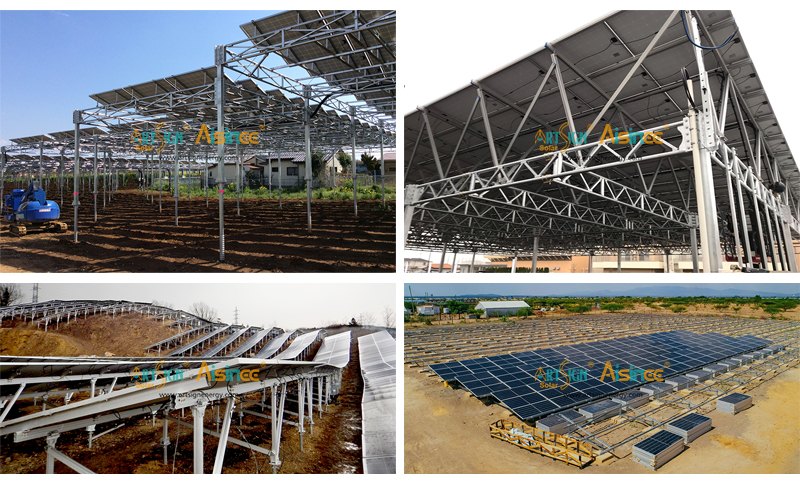
At JinMega, we are advancing the application of solar mounting systems in agriculture with innovative designs that maximize both crop growth and solar generation. Our Aluminum Elevated Fixed Agriculture Mounting System supports installation heights up to 3.5 meters, with adjustable triangular frames for optimal sunlight penetration and energy yield. 


Why Choose JinMega?

·High-strength AL6005-T5 & SUS304, resistant to corrosion, snow, and typhoons. 

·Modular design with high factory pre-assembly for quick on-site installation.

·0°–30° single-row angle adjustment for seasonal optimization of crop light and solar output.


We are continuously developing new Agri-PV solutions and will showcase them at J AGRI TOKYO 2025 in Japan on October 1st. Stay tuned for more updates! Discover how JinMega Agriculture Solutions can maximize the synergy between crops and solar, click at www.jinmegasolar.com 

Continue
CNH330 Series - 3P/3P Online UPS Designed for Computer Rooms


CONSNANT has officially launched the CNH330 series three-phase online uninterruptible power supply (UPS). This product utilizes pure online double-conversion technology and is designed for data centers, server rooms, critical industrial processes, and other applications with stringent requirements for power quality and continuity. It is designed to provide absolutely clean, zero-interruption power to critical loads.


Core Technology: Pure Online Double-Conversion Architecture

The core of the CNH330 series is true online double-conversion technology, recognized in the industry as the highest level of power protection. Its operation is as follows:

1. Rectification (AC/DC): The incoming three-phase AC power (mains) is first converted to DC power. This DC power charges the internal or external battery pack and powers the next-stage inverter.

2. Inversion (DC/AC): The inverter converts the DC power back into pure, stable, sinusoidal AC power with extremely high voltage and frequency accuracy to supply the load. This architecture completely isolates critical equipment from the grid, virtually eliminating all power quality issues such as voltage sags, surges, spikes, harmonic interference, and frequency fluctuations. The zero-millisecond transition time between mains and battery mode ensures absolutely seamless and continuous load operation.


Key Features and Technical Advantages


  • Three-Phase Input/Three-Phase Output (3/3 Phase): Perfectly matches standard three-phase distribution systems in medium- to large-sized equipment rooms and industrial environments. This design provides robust power support and achieves phase-to-phase load balancing, significantly improving distribution efficiency and reducing stress on building power systems compared to single-phase solutions.


  • High input power factor (>0.99) and low input current harmonic distortion (THDi <3%): These characteristics mean the CNH330 presents a near-ideal linear load characteristic to the grid. This significantly reduces the burden on upstream generators, avoids pollution to the distribution system, and reduces line and transformer losses, while meeting stringent industry compliance requirements without the need for expensive additional harmonic filtering.


  • Ultra-wide input voltage (304V-477V) and frequency (40-70Hz) ranges significantly enhance adaptability to harsh power grid environments. This wide mains input range reduces battery activation times, effectively extending the battery life. It also ensures compatibility with various backup generators, reducing the complexity and cost of generator selection and configuration.


  • Fully digital DSP control: Utilizing an advanced digital signal processor (DSP), the rectifier and inverter are fully digitally controlled, achieving faster dynamic response, more precise voltage regulation, and higher overall reliability and stability.


  • Flexible expansion capabilities: Supporting the connection of external battery packs, users can flexibly configure the system based on actual backup time requirements (from minutes to hours) to meet different scenarios requiring delays or waiting for generator startup.


Typical Application Scenarios

The CNH330 series is an ideal power protection solution for the following high-availability environments:

  • Enterprise data centers and server rooms
  • Network Operations Centers (NOCs)
  • Industrial automation control systems and precision manufacturing equipment
  • Medical imaging diagnostic equipment (such as CT and MRI)
  • Core hubs in the financial and telecommunications industries


Intelligent Management and Maintainability

  • Comprehensive Monitoring Interfaces: Standard RS232 and USB communication interfaces, with an optional SNMP/web network management card, enable easy integration into existing network management platforms, enabling remote monitoring, parameter configuration, and safe and orderly shutdown.
  • Preventative Diagnostics: Continuous self-diagnosis and alerting functions proactively identify potential risks, enabling predictive maintenance and preventing problems before they occur.
  • Highly Maintainable Design: Key components utilize a modular, hot-swappable design, significantly reducing mean time to repair (MTTR) and ensuring extremely high system availability.


The CONSNANT CNH330 series three-phase online UPS, with its pure double-conversion technology, superior electrical performance, and high reliability, provides a solid power defense for modern critical infrastructure. It not only protects the power supply of hardware equipment but also serves as a core asset for ensuring business continuity, data integrity, and operational security.


For detailed technical specifications or customized solutions, please contact the CONSNANT technical team.

Continue
Core Advantages of Port-Specific Outdoor UPS Solutions

Outdoor UPS Solutions for Ports

Our core energy efficiency solution market is uninterruptible power supply (UPS) systems, ranging from small UPS systems to large marine UPS systems for critical applications such as transportation, oil and gas, power plants, and data centers. We offer customized power solutions tailored to your application. We remain committed to providing the most reliable solutions and services to a diverse range of customers, ensuring optimal and efficient energy delivery. Leveraging our advanced technology and production lines, we produce UPS systems with power ranges from 1 kVA to 1200 kVA.

 Outdoor Uninterruptible Power Supply


CONSNANT UPS Powered IP55 Outdoor Containers


Features

  • Reliability and performance guaranteed
  • Lower operating cost with better efficiency
  • No interference with sensitive equipment
  • Protection from UPS supply faults
  • Easy connection
  • Cabinet customisation as standard

UPS improves efficiency and reduces your electricity costs. UPS systems are used to stabilize power supply. With the surge in global trade, container ports face increasing pressure to operate efficiently while minimizing environmental impact. Outdoor UPS systems are an increasingly popular innovative solution.


Core Advantages of Port-Specific Outdoor UPS Solutions:


1. Impeccable Protection (IP55 and Above):

* High-strength steel structure or stainless steel casing provides excellent corrosion resistance and effectively resists salt spray erosion.

* Tightly sealed design prevents moisture, dust, and foreign matter from intrusion, ensuring long-term and stable operation.

* Built for outdoor use, unfazed by sun, rain, cold, and heat.


2. Extremely Wide Temperature Range (-25°C to +55°C+):

* Built-in advanced temperature control systems (such as fans and heaters) ensure optimal performance and lifespan of lithium-ion or traditional lead-acid batteries in extreme weather.

* Adapts to climate variations in ports worldwide.


3. Strong Vibration Resistance and Structural Design:

* The robust structure and reinforced internal components effectively withstand the constant vibration and shock from heavy machinery operation and cargo loading and unloading.


4. Flexible Deployment, Space Savings:

* Compact Outdoor Cabinet: Can be installed directly at the terminal edge or near the storage yard, close to critical loads (such as reefer areas, RTGs/RMGs), reducing power transmission losses.

* Containerized Solution: Providing greater power capacity (from 1kVA to 1200kVA), integrating UPS, batteries, power distribution, and cooling within a standard container, this solution offers fast and flexible deployment, making it particularly suitable for large automated terminals or centralized power supply centers.


5. Energy Efficiency, Green Operation:

* Utilizes high-efficiency online double-conversion technology (typically >96%), significantly reducing operating energy consumption and cooling requirements.

* Compatible with efficient and environmentally friendly lithium battery solutions, it offers higher energy density, longer lifespan, reduced maintenance, and improved temperature adaptability, potentially resulting in a more competitive Total Cost of Ownership (TCO).


6. Intelligent Management and Remote Monitoring:

* Equipped with advanced network management cards and software, it supports remote monitoring of UPS status, battery health, environmental parameters, and more. * Provides real-time alerts and predictive maintenance information to enable proactive operations and minimize unplanned downtime.


Operational continuity at a port cannot be compromised. Choosing a professional outdoor UPS solution means building a solid defense against power outages and environmental challenges for your critical loads. Investing in reliability, durability, and intelligent management means investing in your port's operational efficiency, safety reputation, and long-term competitiveness.


Act Now!

 > Contact Us < Learn how to customize a highly reliable, weather-resistant outdoor UPS solution for your port, ensuring continuous operation of critical operations in any weather and any challenge!

Continue
Project Highlight | 998.68 kW Steel Mounting Solution — Concrete Pole Mounting in Thailand

We’re proud to share a successful JinMega installation — a 998.68 kW solar project in Thailand equipped with our Steel Mounting Solution — Concrete Pole Mounting. This system is designed for sites where ground space is limited or challenging — from rural landscapes to uneven terrain — offering a robust, space-efficient solution for maximizing solar output.


Why it works for Thailand’s diverse terrain

·Pre-stressed high-strength foundation ideal for large-scale solar parks in diverse terrains.

·Simple construction with pre-assembly services for a faster build.

·Customized to meet unique site conditions and maximize performance.


At JinMega, we create solar mounting solutions that adapt to your environment — not the other way around. Explore how our Ground Solar Mounting System can power your next project with stability, speed, and savings. Learn more at www.jinmegasolar.com


Continue
Home Archives