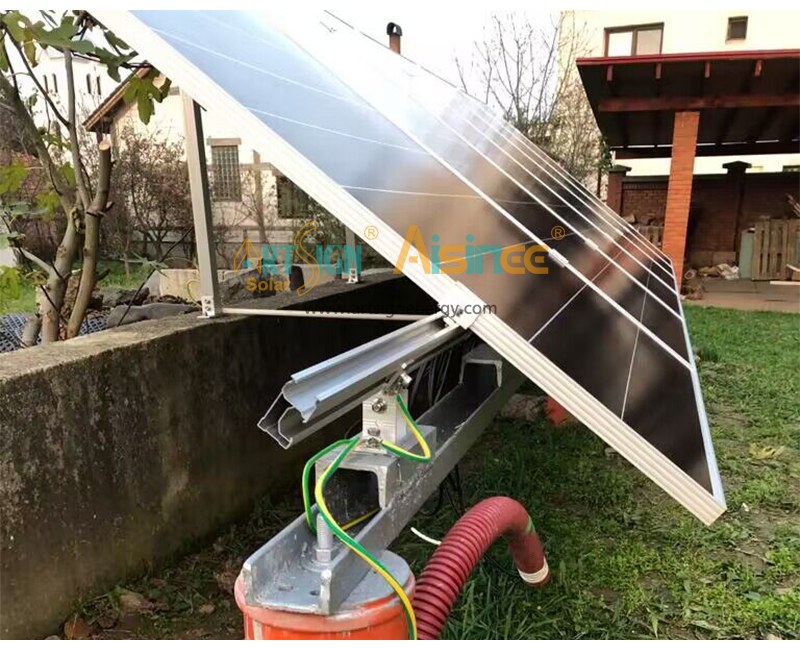
What are Solar Tile Roof Hooks | Artsign

PV tile roof hooks are mounting accessories used to secure solar panels to rooftops. Their high-strength materials and flexible structural design ensure stable installation.


Common materials include stainless steel (304/316L) and aluminum alloy, which are corrosion resistant and wind-resistant. Stainless steel tile roof hooks are highly corrosion resistant and suitable for coastal or high-humidity environments, with a service life of over 25 years. Aluminum alloy tile roof hooks are over 30% lighter, making them suitable for reducing roof loads.


They are suitable for tiled roofs (such as glazed tiles and color-coated steel tiles), metal roofs, and flat roofs. They are secured using expansion bolts and clamps, eliminating the need to penetrate the roof structure. For example, on glazed tile roofs, the tiles must be removed to install the expansion bolts and then reset to ensure sufficient concrete thickness.


Solar Tile Roof Hook Core Functions and Types

Tile roof hooks as core components of solar mounting systems, are primarily used to secure solar panels to rooftops, balconies, or other supporting solar structures. Based on application scenarios and design features, they can be categorized into the following categories:


Balcony roof hook systems:  Connects to the balcony railing via hooks, providing both stability and tilt adjustment.
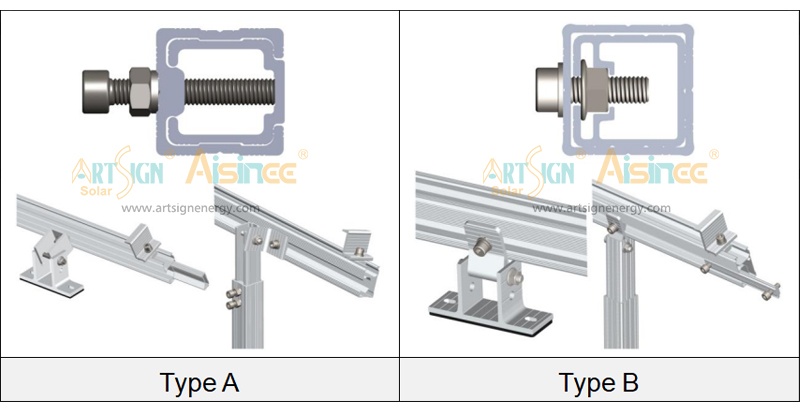
Tile Roof Hooks: Suitable for sloping roofs with ceramic tiles, glazed tiles, and other surfaces, these hooks are made of galvanized steel or aluminum alloy, enabling high pre-installation rates and quick installation.

Adjustable Universal Tile Roof Hooks: Suitable for roofs with color-coated steel tiles and concrete, these hooks utilize a modular design for angle adjustment and wind resistance.


Technical Advantages and Innovations
Structural Stability: Designs such as triangular supports and closed joints, such as Longi Green Energy's patented hooks, prevent panel shifting and improve installation efficiency. ‌‌
Material Durability: High-strength, corrosion-resistant materials such as stainless steel and aluminum alloy are primarily used to ensure long-term outdoor use.

‌Ease of Installation: Some products are 85% pre-assembled at the factory, requiring only simple on-site fastening, reducing labor costs.


ART SIGN Regular Solar Tile Roof Hook


pv tile roof hook


For any inquiry for solar mounting system, please contact us, E-mail: sales@artsign.net.cn, Whatsapp / Wechat / Skype: +86 18030235875, thank you.


Continue
What is the best solar panel system orientation and angle?

We need to consider the solar panels’ output and performance when we install the solar panels. The angle of solar system installation and orientation is crucial for optimal energy production. What factors should we consider when we choose the best angle and orientation?


 solar panel system orientation and angle


Geographic location, season, and roof structures are affecting the angle and orientation of solar panels.


What is Solar panel system angle?
Tilt angle is the how much your solar array tilts from the ground to face the sun. Adjusting this angle ensures the output of electricity generation. The ideal angle changes with your location’s latitude and the time of year. The best angle can boosts the efficiency and output of your solar panel systems.


What is the best angle of your solar panels systems?
According to the experience, the best ideal angle is close to your latitude. So we can search for your home’s latitude on Google, and to see the angle should be. Please note that in summer, subtract 15 degrees, in winter, add 15 degrees.


What is solar panel system orientation?
Solar panel orientation is the direction the solar panel faces: north, south, east, or west. Solar panels should face the direction with the most abundant sunlight and the longest duration of daylight. The best orientation north of the equator is true south. This maximizes sun exposure and electricity production.


What factors affect the optimum solar panel system angle?
In fact, the angle of solar panel system is the vertical tilt of your solar systems. We should consider below factors when find the best angle.
1)Roof tilt: we should consider your roof’s tilt before installing the solar panels. Every roof is different, please contact us for more information.
2)Latitude: chose the right angle according to your home’s latitude to ensure your panels are on sunlight for longest time.Usually the angle is between 30 and 45 degrees.


In conclusion
A right tilt angle can boost energy output. Orientation ensures steady energy. Both orientation and angle are crucial for optimal solar panel performance.
For any inquiry of solar panel mounting system, pls contact us, E-mai:sales@artsign.net.cn, Whatsapp / Wechat / Skype:+008618030235875, thanks.


Continue
What You Should Know on Solar Panel Mounting Rails | Artsign

When it comes to installing solar panels, one crucial component that often goes unnoticed but plays a significant role is the solar panel mounting rails. It provides the structural support needed to secure solar panels in place. Choosing the right solar mounting rails ensures system stability, longevity, and performance. In this article, we will focus particularly on aluminum solar mounting rails.


Understanding Solar Panel Mounting Rails

Solar panel mounting rails are horizontal bars that serve as the backbone of a solar panel installation. They provide the necessary support and framework for installing solar panels on rooftops, ground-mounted systems or other surfaces. These rails are typically made of durable materials such as aluminum or steel and are designed to withstand various weather conditions while supporting the weight of the solar panels.


Aluminum Solar Mounting Rails

When installing a PV system, the solar panel mounting structure is as important as the solar panels. Among the different materials used for solar panel mounting rails, aluminum stands out for its lightweight, corrosion resistance, and durable properties.


Key Features to Consider
Load Capacity – Must support panel weight plus wind/snow loads.
Corrosion Resistance – Anodized or powder-coated aluminum is best for longevity.
Compatibility – Must work with clamps, brackets, and your roof type (e.g., tile, shingle, metal).
Adjustability – Some rails allow for tilt adjustments to optimize sun exposure.

Here are some post popular solar mounting rails from Art Sign.


D nut solar mounting rail
T bolt solar mounting rail
D nut solar mounting rail
T bolt solar mounting rail
CR solar mounting rail
SR solar mounting rail

SR solar mounting rail


Don’t overlook mounting rails, they’re the backbone of a secure, high-performing solar system. Investing in quality rails ensures your solar panels stay efficient and damage-free for decades. For any inquiry for solar mounting system, please contact us, E-mail: sales@artsign.net.cn, Whatsapp / Wechat / Skype: +86 18030235875, thank you.


Continue
Why Are Solar Carport Mounting System Becoming More And More Popular?

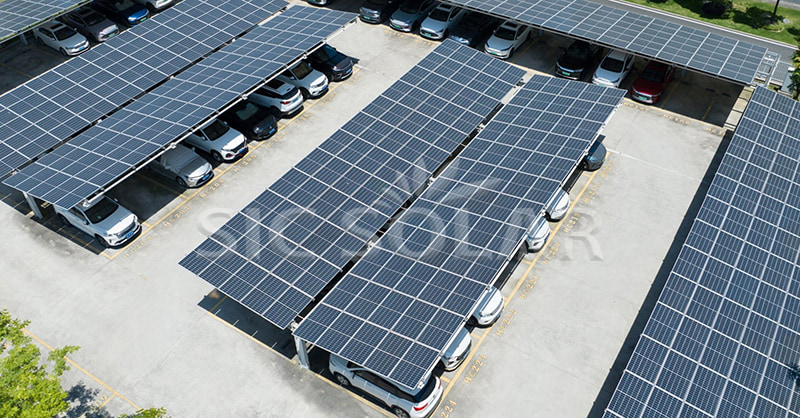
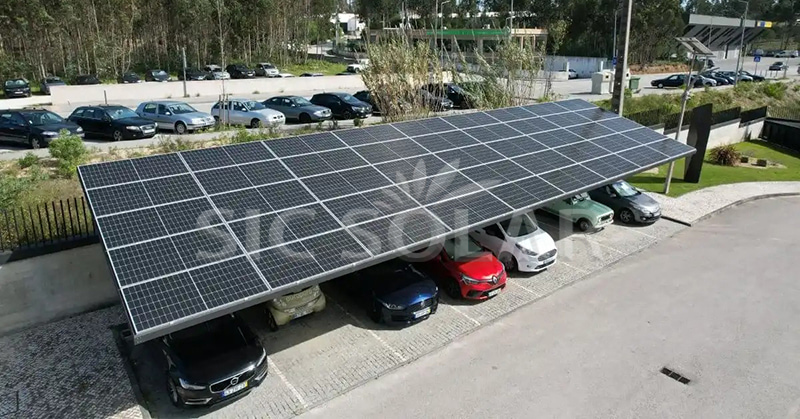
Solar photovoltaic have become more and more popular in recent years. In addition to being used on roofs, agriculture, animal husbandry and fisheries, they can also be used in carports. Solar carport mounting system perfectly combine photovoltaic power generation technology with the carport building itself. They can not only help protect vehicles from wind and rain, but also help supply power to the power grid, which is energy-saving and environmentally friendly. Solar carport system is a general trend and will bring more convenience to people's lives.


For the waterproof solar carport mounting system, Art Sign can support customize them based on client’s requirement and environment, and we are also provide some existing types. There are two solar carport mounting system models for reference.


carport solar structure
installing solar panels on carport

PV Panel Carport Mounting Structures --- Single Post Solar Carport

PV Panel Carport Mounting Structures --- Double Post Solar Carport


Design Feature:
① Hot dipped galvanized steel structure which is strong enough to withstand heavy wind load and snow load.
② Cost-effective and suitable for both residential and commercial solar panel carport.
③ No need extra welding and cutting.
④ Customized to support one car or two cars as per clients’ requrests.


Surface Treatment:
80um thk. Hot dipped galvanizing stee, 10um thk. Anodized aluminum, stainless steel 304 bolts and nuts.


Design Strength:
The structure is designed according to the wind load or snow load request.


solar carport kit
solar panel carport mounting
pv carport structures
Support structure
End clamp for fixing panels
Mid clamp for fixing panels

The advantages of the carport solar mounting system are high reliability, long service life, no environmental pollution, independent power generation and grid-connected operation, which is welcomed by households and enterprises, and has broad prospects for development.


Art Sign will vigorously promote the solar carport mounting system in 2025, and we are committed to providing more and better solar mounting solutions to our customers.


For any inquires for solar panels carport mounting system, please feel free to contact us.
E-mail: sales@artsign.net.cn,
Whatsapp / Wechat / Skype:+86-18030235875, thanks.


Continue
Why More and More People Choose Tripods for Solar Panel Installation

As solar adoption continues to surge worldwide, one component is quietly gaining popularity for its crucial role in system efficiency and ease of installation: the rooftop tripod mount. Whether you're installing on a residential home or a commercial rooftop, the benefits of tripod structures are hard to ignore.


rooftop tripod mount


Unlike traditional fixed-tilt or flush-mounted solar racking systems, tripod mounts offer:
1. Optimal Tilt & Orientation
Tripods allow precise angle adjustment (typically 10-15°, 15-30°, 30-60°) based on your geographic location. This ensures maximum solar irradiance throughout the day and across seasons, directly improving energy yield.


2. Structural Stability
Using a three-point support system, tripods maintain excellent wind and snow load resistance. When secured with ballast or chemical anchors, they remain stable even under extreme weather.


3. Faster Installation

Solar Mounting pre-assembled solutions like the ART SIGN Rooftop Tripod come with U-beam or angle bar options, drastically reducing onsite labor time. These tripod systems are designed for plug-and-play assembly, making them ideal for both professional installers and DIY users.


4. Lower Transportation Costs
ART SIGN solar mounting triangle kits are pre-installed and foldable, allowing for compact packaging. This means more units per shipment and significant savings in logistics—especially important for large-scale deployment.


5. Universal Compatibility
Whether it’s a flat concrete roof or a sloped metal sheet roof, tripod systems are versatile. They can be adapted to various surface materials and rooftop geometries with minimal customization.


Solar Mounting pre-assembled solutions


ART SIGN has become a go-to solution in the solar mounting industry. Our rooftop tripod mounts are engineered for:
Quick assembly with minimal tools
Durability, tested against corrosion and structural fatigue
Global compatibility with most major solar panel sizes and types
Whether you prefer U Beam shapes for higher wind resistance or angle bars for lighter loads, ART SIGN has a model tailored to your project’s needs.


solar mounting triangle kits


Are you planning a rooftop solar project? Still unsure about mounting solutions? Drop your questions or experiences in the comments—we’d love to hear from you!
For any inquiry on solar panel mounting system, please contact us, E-mail: sales@artsign.net.cn, Whatsapp / Wechat / Skype: +0086 180 3023 5875, thank you.


Continue
How to Secure Solar Panels to a Roof?

Installing solar panels on a roof is one of the most effective ways to harness clean energy at home or for a business. However, beyond selecting the right panels, one of the most critical aspects of the installation process is ensuring that they are securely mounted. Proper mounting not only guarantees system performance but also protects the roof from damage and the panels from harsh weather conditions.

solar roof mounting

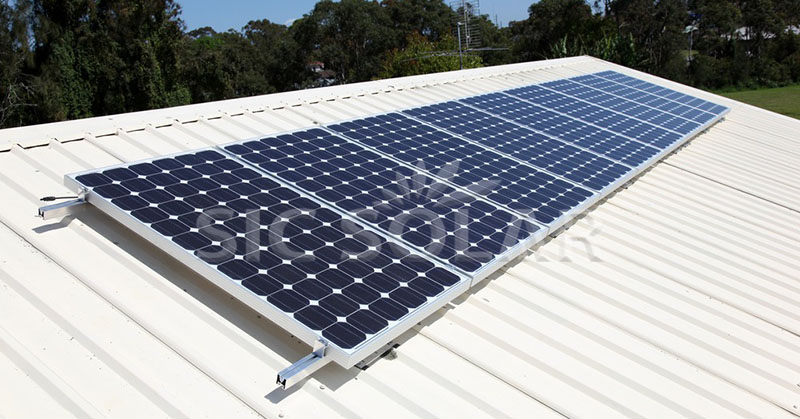
The first step in securing solar panels is choosing the right mounting structure. Rooftop systems usually require rails, clamps, and roof hooks or brackets that anchor the panels safely. These components must be compatible with the roofing material—whether it’s tile, metal, asphalt shingle, or slate. For example, tile roofs often use adjustable roof hooks that fit between tiles without breaking them, while standing seam metal roofs can use clamp systems that avoid drilling altogether.

Once the appropriate hardware is selected, the panels are attached to mounting rails that distribute weight evenly across the roof. This helps maintain structural integrity and prevents leaks. The rails are then fixed to roof hooks or brackets that are secured directly into the rafters or other strong structural points. Precision during this stage is essential, as misalignment can affect both the strength of the installation and the efficiency of the solar panels.

Another important factor is wind resistance. Panels must be able to withstand uplift forces during storms. This is achieved through robust fastening methods, weatherproofing sealants, and in some cases, ballast systems that weigh the panels down without penetration. Proper grounding of the system also ensures electrical safety and protects against lightning strikes.

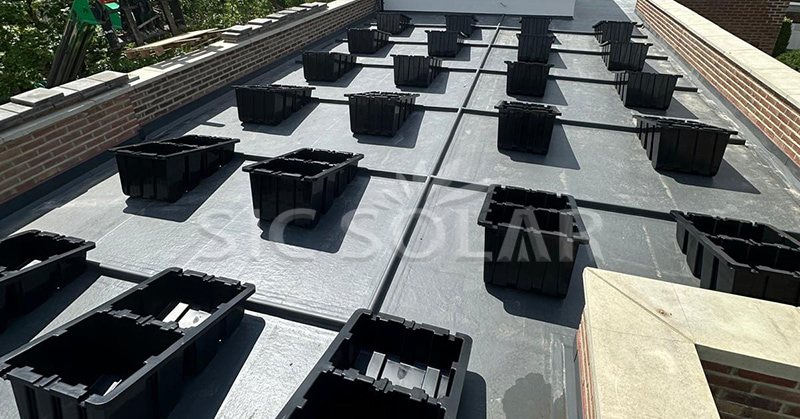
For flat roofs, securing panels often involves ballasted mounting systems. These rely on weight rather than penetration, making them ideal for roofs where drilling could cause damage. Ballast blocks, usually made of concrete, are placed strategically to resist wind uplift while keeping the panels in place.

High-quality mounting systems are key to long-lasting solar performance. This is where companies like SIC Solar, a manufacturer and supplier of photovoltaic mounting brackets, play an important role. Their solutions are designed to fit different roof types and conditions, ensuring that solar panels remain secure, efficient, and safe for decades.

Ultimately, securing solar panels to a roof requires careful planning, the right hardware, and professional installation practices. With reliable mounting systems and proper attention to detail, solar panels can deliver clean energy while keeping both the system and the roof protected.

Continue
What Are Solar Poles?

When most people think about solar installations, they usually picture panels fixed on rooftops or large ground-mounted arrays. However, another practical solution for supporting solar panels is the use of solar poles. These structures provide a strong and elevated base for panels, making them ideal for areas where roof space is limited or ground mounting is not feasible.

solar panel mounting pole

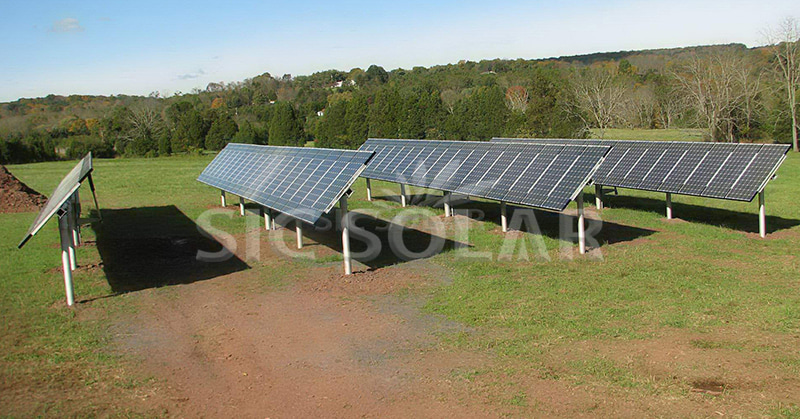
A solar pole is essentially a stand-alone mounting system where one or more solar panels are attached to a vertical pole anchored into the ground. Depending on the design, the pole may hold a single panel (often called a single-pole mount) or multiple panels arranged in series. The height and orientation of the pole allow for flexible installation in open areas such as fields, parking lots, farms, or even residential yards.

One of the key advantages of solar poles is space efficiency. Unlike large ground-mounted arrays that require significant land, pole-mounted systems can be placed in smaller areas without taking up too much space. They are particularly useful for powering standalone applications like streetlights, water pumps, and communication towers.

Solar poles also allow for better sunlight exposure. Because they are elevated, panels avoid shading from nearby structures or vegetation. Many designs include adjustable tilt mechanisms, enabling seasonal angle changes for maximum energy production. Some advanced systems even incorporate solar tracking, where the panels move with the sun throughout the day to capture more energy.

From an engineering perspective, stability is crucial. Solar poles must withstand heavy winds, rain, and other environmental factors. They are anchored deeply into the ground with concrete foundations or steel supports, ensuring long-term durability. The mounting brackets and clamps used to attach panels to the pole must be designed for strength, safety, and ease of installation.

This is where companies like SIC Solar bring value to the solar industry. As a producer and supplier of photovoltaic mounting structures, SIC Solar provides durable solutions that ensure solar poles are both reliable and efficient. Their focus on precision-engineered brackets and supports makes it easier to deploy pole-mounted systems in a wide range of applications.

Whether for residential, agricultural, or utility use, solar poles represent a versatile option in the solar mounting family. They make renewable energy more accessible in locations where other installation methods might not be suitable, while also offering a reliable and efficient way to generate clean power.

Continue
How Much Ballast to Hold Solar Panels Down?

When installing solar panels on flat roofs or certain ground-mounted systems, one common method to avoid drilling or penetrating the surface is the use of ballast. Ballast refers to weights, often concrete blocks, that hold the solar mounting structure firmly in place. It provides stability while ensuring the system withstands environmental forces like wind and rain. But how much ballast is actually required to hold solar panels down safely?

flat roof  ballasted solar mounting system

The amount of ballast needed depends on several key factors. The most important is wind load. Buildings in regions with higher wind speeds require heavier ballast to ensure that panels do not shift or lift during storms. Engineers typically calculate ballast requirements based on local building codes and wind zone ratings to meet safety standards.

Another factor is the roof structure and material. For flat roofs, especially those with limited load-bearing capacity, the weight of the ballast must be carefully balanced. Too much weight can compromise the roof’s structural integrity, while too little ballast can leave the system vulnerable. This is why proper engineering and load assessments are essential before installation.

The tilt angle and layout of the solar panels also influence ballast needs. Panels that are tilted at steeper angles catch more wind, which increases uplift forces. In such cases, additional ballast is required to counteract the pressure. Conversely, low-tilt or flush-mounted systems typically require less ballast because they present less resistance to wind.

Roof surface friction plays a role as well. A rough surface may help stabilize mounting structures with less ballast, while smoother surfaces might require more weight to prevent sliding. Snow loads in colder regions must also be considered, as they add extra force to the system.

To calculate the exact ballast requirements, professional design software and structural analysis are often used. These tools take into account building height, roof type, panel orientation, and environmental conditions. The goal is always to ensure system safety without overloading the roof.

Companies like SIC Solar, a manufacturer of photovoltaic mounting brackets, provide specialized ballasted mounting systems that distribute weight evenly and minimize roof stress. Their designs reduce the overall ballast needed while maintaining stability and compliance with engineering standards. This ensures that panels remain secure while keeping installation efficient.

Ballasted systems are an excellent solution for flat roof solar projects, but they require careful planning. The right amount of ballast will vary from project to project, making it critical to rely on expert design and high-quality mounting structures to achieve long-lasting, safe performance.

Continue
What Is a Floating Solar Array?

As the demand for renewable energy grows, innovation continues to shape how and where solar power can be generated. One of the most exciting developments in recent years is the floating solar array. Unlike traditional rooftop or ground-mounted systems, floating solar involves installing solar panels on bodies of water such as lakes, reservoirs, ponds, or even dams. This unique approach addresses land constraints while unlocking new benefits for both energy and the environment.

factory floating solar structure

A floating solar array consists of photovoltaic panels mounted on buoyant platforms that rest on the water’s surface. These platforms are anchored to the bottom or shoreline to keep the system stable. Electrical components and inverters are either placed on nearby land or integrated into floating structures. The result is a solar power plant that efficiently converts sunlight into electricity without occupying valuable land space.

One of the biggest advantages of floating solar is land conservation. In densely populated regions, finding suitable land for large-scale solar farms can be a challenge. By using underutilized water surfaces, floating solar frees up land for agriculture, housing, or other infrastructure needs.

Another benefit is increased efficiency. Water has a natural cooling effect on the solar panels, helping them operate at lower temperatures compared to ground-mounted systems. This cooling reduces heat-related efficiency losses, meaning floating panels often generate more electricity over time.

Floating solar arrays can also help reduce water evaporation from reservoirs and ponds, which is particularly valuable in hot or drought-prone regions. The panels provide shade, slowing down evaporation rates while also limiting algae growth that can negatively impact water quality.

From an environmental perspective, floating solar systems minimize habitat disruption since they are built on existing water bodies rather than clearing new land. They also integrate well with existing hydroelectric dams, allowing hybrid systems that combine solar and hydro power.

The durability and safety of a floating solar array depend heavily on the mounting structures used. The platforms must withstand waves, wind, and changing water levels while keeping the panels securely in place. Companies such as SIC Solar, which specializes in manufacturing and selling photovoltaic mounting brackets, play an important role in advancing this technology by providing robust and adaptable solutions. Their expertise ensures that solar panels can perform reliably even in challenging aquatic environments.

Floating solar is not just a clever solution to land shortages—it represents the next step in expanding renewable energy capacity worldwide. By harnessing the untapped potential of water surfaces, it offers a sustainable, efficient, and innovative way to generate clean power for the future.

Continue
​Advantages of Square Water Electrolysis Hydrogen Production Systems​

Square water electrolysis hydrogen production systems offer the following significant advantages:

1.High Current Density and High-Efficiency Hydrogen Production​​

Square electrolyzers can easily achieve current densities of 10,000 A/m² or even higher, far exceeding traditional circular electrolyzers (typically around 4,000 A/m²). This translates to faster hydrogen production rates and lower energy consumption per unit. High current density not only reduces electrolyte consumption and electrolyzer volume but also decreases the equipment footprint and capital investment costs.

2.Uniform Flow Field Distribution​​

The utilization of zero-gap electrode plate structures and low-flow-resistance distributed channels ensures a uniform internal flow field distribution and direct fluid flow. This effectively avoids current drift and concentration phenomena, suppresses stray currents, and enhances hydrogen production efficiency and stability.

3.High Safety​​

The atmospheric pressure design significantly reduces the risk of hydrogen leakage, as the leakage rate is markedly lower. The modular design facilitates decentralized handling and relocation, reduces hoisting complexity, and simplifies maintenance and inspection, thereby further enhancing overall safety.

4.Modular Assembly and Flexible Scalability​​

Individual cell units operate independently, enabling independent packaging, convenient handling, and individual replacement of single or multiple cells. This design improves the ease of installation, maintenance, and replacement, and is particularly suited for the flexible expansion requirements of large-scale hydrogen production projects.

5.Wide Load Adaptability​​

The operational load range can reach 10% to 120%, allowing the system to better adapt to the output characteristics of fluctuating power sources like wind and solar PV. It can operate stably even at low loads (e.g., 10%), avoiding frequent shutdowns and electrode damage caused by power fluctuations, thereby effectively improving the utilization efficiency of renewable electricity.

6.Low Operating Costs​​

Atmospheric pressure operation contributes to relatively stable performance and creates more favorable operating conditions for electrode materials and coatings. The comprehensive power consumption is approximately 10% lower compared to pressurized electrolyzers. Concurrently, the modular design reduces maintenance costs; annual maintenance expenses can be significantly lower (e.g., for a 1000 Nm³/h electrolyzer, annual maintenance costs can be controlled below CNY 150,000). The total lifecycle operating cost is over 20% lower than that of pressurized electrolyzers.

7.Long Service Life​​

Employing a filter-press frame design facilitates the renewal of wearing parts and upgrade modifications. The service life can reach over 25 years, aligning with the lifespan of wind and solar power generation facilities and is significantly superior to pressurized electrolyzers (typically 10 years or even 5 years).

In summary, square water electrolysis hydrogen production systems demonstrate significant advantages in safety, efficiency, flexibility, and economy. They are particularly suitable for large-scale wind-solar hydrogen production projects and represent a crucial technological choice for achieving large-scale green hydrogen production.

Continue
Home Archives