What Is V2G and How Will It Transform the Future of EV Charging?

The transition to electric vehicles (EVs) is not only reshaping transportation but also redefining how we interact with energy. One of the most exciting innovations at this intersection is V2G – Vehicle-to-Grid technology.

🔄 What Exactly Is V2G?

Traditionally, EV charging has been one-way: power flows from the grid into the vehicle’s battery. V2G, or Vehicle-to-Grid, changes this dynamic by allowing energy to flow both ways.

This means that EVs can act as mobile energy storage units. They not only charge from the grid but also discharge electricity back into the grid when needed—supporting energy stability, lowering costs, and unlocking new revenue streams for EV owners.

⚡ How Does V2G Work?

  • Off-Peak Charging: EVs charge when electricity demand is low and prices are cheaper.

  • Peak Discharge: When the grid is under pressure, EVs release stored power back to the grid.

  • Compensation: EV owners or fleet operators receive credits or payments for supporting the grid.

In short, EVs become part of a virtual power plant, helping balance energy supply and demand.🌍 Why Is V2G Important?

  • For Consumers: Lower charging costs and backup power during outages.

  • For Fleets: Optimized energy use and new revenue streams by participating in demand response programs.

  • For Utilities: Improved grid stability and better integration of renewable energy like wind and solar.

  • For Society: Higher energy efficiency and accelerated transition toward clean energy.

🔧 What Do We Need for V2G to Work?

  1. V2G-Enabled EVs – Vehicles capable of bi-directional charging.

  2. V2G-Compatible Chargers – Equipped with inverters to allow two-way energy flow.

  3. Supportive Policies – Energy markets must allow EVs to feed power back into the grid and compensate users.

🚀 How FES Power Charging Solutions Fit into the Future of V2G

At FES Charging, we are actively preparing for this next step in EV infrastructure with a portfolio of solutions designed to support smarter, more flexible energy systems:

  • 150–480kW Solar + Storage Ultra-Fast Chargers: Combining renewable energy and storage, these chargers can seamlessly integrate with V2G technology, enabling large fleets to become energy contributors as well as consumers.

  • 7–22kW Wall-Mounted AC Chargers: Ideal for homes, offices, and kerbside charging, providing the foundation for smart scheduling and future V2G adoption.

  • 120–160kW DC Fast Chargers: Perfect for logistics hubs and fleet depots where quick charging is critical, with potential upgrades to support bi-directional energy flow.

By linking EV charging with renewable generation and smart grid systems, we aim to turn every charging point into part of a connected energy ecosystem.

🔮 Looking Ahead

The future of charging is not just about powering vehicles—it’s about redefining the role of mobility in the energy grid. V2G will empower drivers, fleets, and communities to actively participate in energy markets, reduce costs, and accelerate the global shift toward sustainability.

As governments and industries push forward with pilot projects, the question is not if V2G will arrive, but how fast.

👉 Learn more about how FES Charging is shaping the future of energy and mobility at www.fescharging.com.

Continue
Telecom Application Outdoor UPS 1-3KVA with cabinet air conditioner

Overseas project: Outdoor UPS 1-3KVA with cabinet air conditioner for outdoor telecom base stations

Outdoor UPS 1-3KVA with cabinet air conditioner


In today's data-driven world, the continuity and reliability of telecommunications networks are society's lifeblood. From critical cellular base stations and remote fiber nodes to street corner cabinets and access points, these outdoor telecommunications facilities must operate 24/7, regardless of environmental challenges.


For equipment manufacturers and network operators, the greatest threat is often not the equipment itself, but rather the power supply and environmental overheating. Voltage fluctuations, power outages, and extreme temperatures inside cabinets due to direct sunlight and equipment heat are major causes of hardware failure, service interruptions, and data loss.


This is why a power solution that not only provides power but also proactively manages the internal environment is crucial. CONSNANT, a specialist in customized outdoor UPS power solutions, offers 1-40 kVA outdoor integrated UPS cabinet solutions designed specifically for telecommunications applications, complete with integrated intelligent cabinet air conditioning.


Unique Challenges of Outdoor Telecom Sites


  • Limited Space: Outdoor cabinets are limited in space, requiring highly integrated equipment.
  • Harsh Environments: They must withstand extreme weather and corrosive environments, including freezing cold and scorching heat, rain, snow, dust, and salt spray. Unmanned: Sites are often managed remotely, requiring equipment with extremely high reliability and remote monitoring capabilities.
  • Thermal Management Requirements: Electronic equipment generates significant heat during continuous operation. Without timely heat dissipation in confined spaces, temperatures can rise rapidly to dangerous levels.


The Core Advantages of CONSNANT's Outdoor Integrated UPS Solution


Our solution is more than just a UPS; it's a comprehensive protective enclosure for your sensitive telecom equipment.


1. Powerful Uninterruptible Power Supply (1-40kVA)

We offer power supplies ranging from 1kVA to 40kVA, providing ample backup power for most outdoor telecom node equipment. In the event of a utility power failure, seamlessly switching to battery power ensures continuous operation of network equipment and saves valuable response time for maintenance personnel.


2. Integrated Intelligent Cabinet Air Conditioning


This is the temperature control feature of our solution. A built-in, dedicated air conditioning system actively cools the cabinet interior, precisely maintaining the temperature within the equipment's optimal operating range.


  • Efficient Cooling: Significantly reduces internal temperatures, preventing equipment from throttling or downtime due to overheating. Energy-saving Operation: An intelligent temperature control system activates only when needed, optimizing energy consumption.
  • Enhanced Reliability: Stable temperatures significantly extend the lifespan of servers, switches, UPS modules, and their own batteries.


3. Ultimate Outdoor Adaptability (IP55)

Our cabinets utilize robust materials and a sealed design, achieving an IP55 rating. They effectively resist dust intrusion and low-pressure water jets from all directions, making them fully adaptable to harsh outdoor operating environments.


4. 24/7 Remote Monitoring and Management

The integrated intelligent monitoring system allows remote, real-time viewing of all critical information, including UPS status, battery charge, internal temperature, air conditioning status, and access control, via the network (SNMP card). Immediate alert notifications are sent in the event of an anomaly, enabling intelligent management of unmanned sites.


5. One-Stop Integration, Saving Space and Costs

We intelligently integrate the UPS, batteries, power distribution unit (PDU), and air conditioning system into a compact cabinet. You no longer need to purchase and assemble multiple devices separately, which greatly simplifies the deployment process, reduces external cabling, and saves valuable space and total cost of ownership (TCO).


Typical Application Scenarios


  • 5G/4G Cellular Base Stations
  • Fiber-to-Fiber Network Outdoor Distribution Points (ODPs)
  • Microwave Transmission Sites
  • Outdoor Communications Cabinets and Access Points
  • Traffic Lights
  • Road Monitoring
  • CCTV


Why Choose CONSNANT?


At CONSNANT, we understand that a one-size-fits-all solution doesn't meet all needs. We specialize in customization:

  • Power Customization: Precisely match your power requirements with a range of 1-40 kVA.
  • Battery Life Customization: Configure battery packs based on your backup time requirements.
  • Monitoring Interface Customization: Adapt to your existing network management platform.
  • Physical Dimension Customization: Optimize your design within limited space.


Let CONSNANT be the unwavering support for your network reliability.

Contact our expert team today to customize a UPS solution specifically for your outdoor telecommunications application.

Continue
A Guide to Solar Panel Mounting Residential vs. Commercial vs. Utility Installations

Solar energy is growing at every scale—from small rooftops on homes to vast solar farms powering entire regions. At the heart of every installation lies the mounting system, the structure that supports panels, ensures their stability, and maximizes energy production. While the goal is the same, the mounting requirements for residential, commercial, and utility-scale solar projects differ significantly.

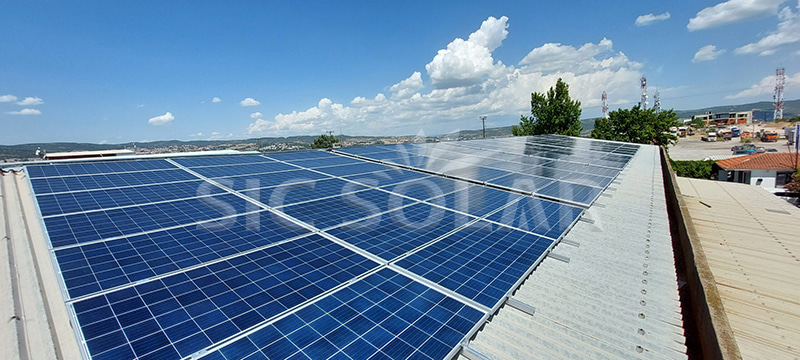
solar panel roof mounting systems

Residential Installations
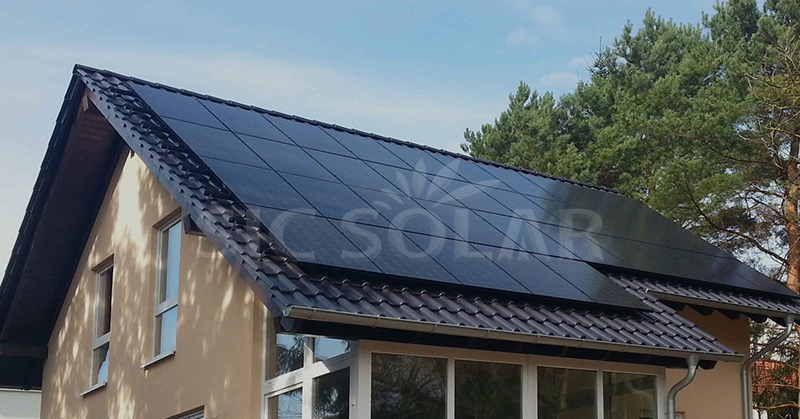
For homeowners, space is usually limited, so efficiency and aesthetics matter. Most residential systems are mounted on pitched roofs, using rails or roof hooks that fit securely under tiles or shingles. Because rooftops vary in material—tile, metal, or asphalt shingles—mounting solutions must adapt accordingly. Homeowners prioritize low-profile designs that blend into the roofline while still offering durability. Ease of installation is also crucial, as it minimizes disruption and keeps project costs down.

Commercial Installations
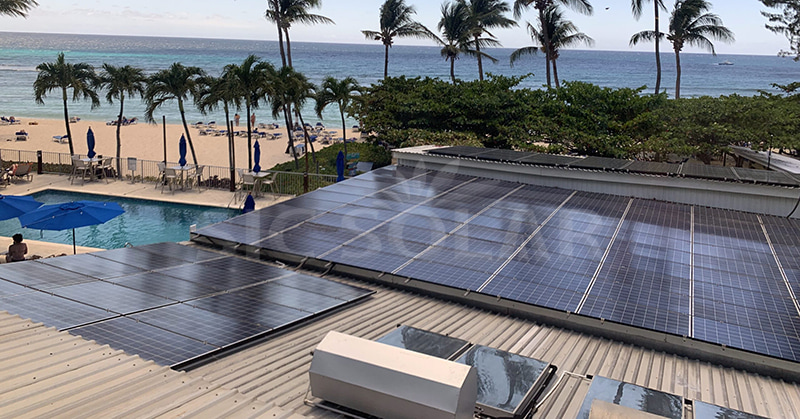
Commercial solar projects typically involve larger, flat rooftops on office buildings, warehouses, or factories. These installations prioritize scalability and structural integrity. Ballasted mounting systems are common for flat roofs, reducing the need for roof penetrations while still keeping panels stable under wind loads. Commercial projects also require precise alignment for maximum efficiency, as small performance gains can have a big financial impact when multiplied across hundreds of panels. Cable management and rooftop walkways often come into play here to maintain safety and accessibility.

Utility-Scale Installations
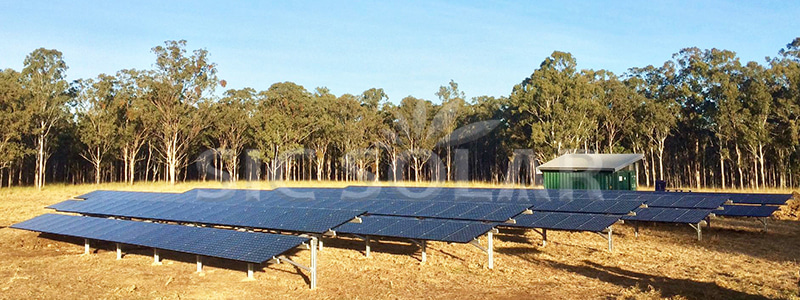
Utility-scale solar farms involve ground-mounted systems covering large areas. These projects demand heavy-duty racking that can withstand decades of exposure to weather, including strong winds, floods, and snow. Tracking systems are often used at this scale, allowing panels to follow the sun’s movement and generate more electricity. The design must balance structural resilience with cost-effectiveness since even minor inefficiencies can lead to significant losses across thousands of modules.

The Role of Quality Mounting Systems
Across all three categories, the mounting system is more than just a supporting frame—it protects the investment and ensures long-term reliability. A poorly designed structure can lead to panel misalignment, roof damage, or even system failure. That is why high-quality components are critical.

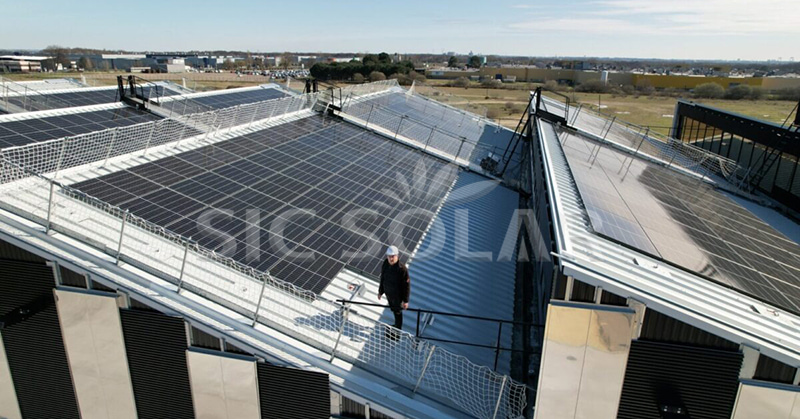
Companies like SIC Solar, a manufacturer and supplier of photovoltaic mounting brackets, provide solutions tailored to each installation type. From adjustable roof hooks for residential homes to robust ground-mount structures for utility-scale projects, their products are engineered for durability, efficiency, and adaptability. Using corrosion-resistant materials like aluminum and stainless steel, these systems are designed to meet the demands of diverse solar environments.

Continue
Are Carports Easy to Install?

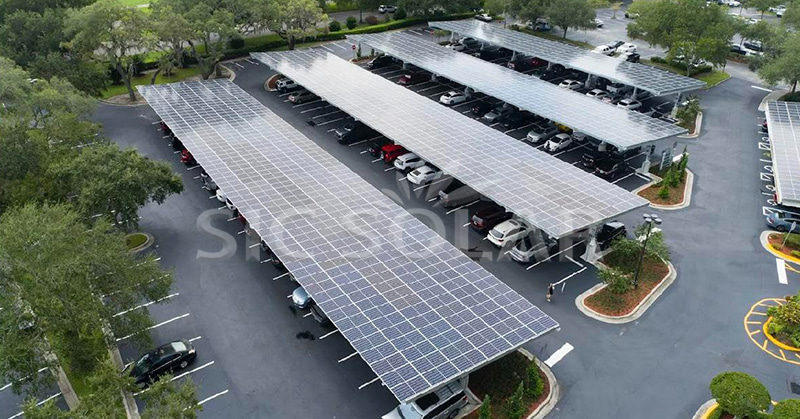
Solar carports are becoming increasingly popular as a dual-purpose solution that combines renewable energy generation with practical vehicle protection. Instead of occupying rooftops or taking up open land, carports make use of parking areas, turning them into clean energy stations. But when considering a solar carport project, one of the most common questions asked is whether these structures are easy to install. The answer depends on the design, materials, and the quality of the mounting systems chosen.

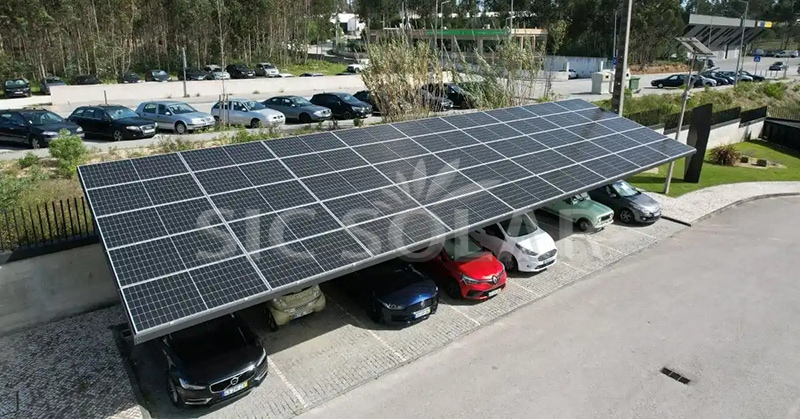
carport solar mounting system

At their core, solar carports are essentially elevated ground-mounted solar systems. Unlike traditional carports made solely for shading, solar carports must be engineered to handle the added weight of solar panels and withstand wind, rain, and snow loads. Thanks to advances in engineering, modern carports are designed for relatively straightforward installation. Pre-engineered kits, modular components, and standardized racking solutions have simplified the process significantly, allowing installation teams to complete projects faster with fewer complications.

One factor that makes carports easier to install today is the use of pre-assembled or modular mounting systems. These reduce the amount of on-site drilling, cutting, and adjustments needed, which not only saves time but also minimizes installation errors. Structural parts made from durable aluminum and galvanized steel are lightweight yet strong, making handling easier while ensuring long-term stability.

The complexity of installation can also depend on the size of the project. A small residential solar carport for one or two vehicles may be relatively simple to install and can often be completed within a few days. Larger commercial or industrial carports that cover extensive parking areas require more planning and preparation but can still be streamlined with efficient racking solutions. In either case, strong foundations and precise structural alignment are critical to success.

Companies such as SIC Solar, a manufacturer of photovoltaic mounting brackets, contribute to easier installation by providing robust yet user-friendly systems. Their solar carport structures are designed to simplify the construction process while maintaining high standards of safety and durability. By offering well-engineered solutions, they allow installers to focus less on overcoming technical challenges and more on delivering a clean energy system that performs reliably.

While solar carports do require careful planning and professional expertise, modern designs have made the installation process much more efficient than in the past. With the right materials, pre-engineered systems, and quality mounting solutions, carports can be built quickly, turning parking spaces into sustainable power stations with minimal disruption.

Continue
Are Ground Mounted Solar Panels More Expensive?

When planning a solar installation, one of the key questions many property owners and businesses ask is whether ground mounted solar panels are more expensive compared to rooftop systems. The answer depends on several factors, including installation complexity, land use, and the type of mounting system chosen.

Generally, ground mounted solar panels tend to be more costly upfront than rooftop systems. This is because installing panels on the ground requires additional materials and preparation. Unlike rooftops, which provide a natural surface for panel placement, ground installations often require structural frames, concrete footings, or pile-driven foundations to secure the system. These extra components add to the cost of materials and labor.

Land availability is another factor. A rooftop installation makes use of existing space, while ground mounting requires access to an open plot of land. For homeowners with limited land, this may not be feasible, but for commercial and utility-scale projects, ground mounting is often preferred because it allows for larger arrays and optimized panel orientation.

Despite the higher initial investment, ground mounted solar panels offer several advantages that can offset the cost over time. They provide flexibility in positioning and angle, ensuring maximum exposure to sunlight and higher energy production efficiency. Unlike rooftops, which may have shading or space constraints, open land offers more freedom for optimal design.

Additionally, ground mounted systems are often easier to clean, inspect, and maintain. Accessibility plays a big role in keeping panels at peak performance. For large installations, this can significantly reduce long-term operational costs and make the investment more worthwhile.

advantages of ground mounted solar panels

Manufacturers such as SIC Solar, a company specializing in photovoltaic mounting brackets, provide durable and adaptable ground mounting solutions. Their systems are designed to handle various soil conditions, withstand wind and snow loads, and offer secure support for long-term performance. Choosing the right mounting solution ensures that while the upfront cost may be higher, the overall project delivers reliable returns.

For utility projects or businesses aiming for large-scale renewable energy adoption, the higher installation cost of ground mounted solar panels is often justified by the benefits of scalability, efficiency, and easier long-term operation. In contrast, rooftop systems may be more affordable for smaller residential projects but come with limitations in size and design flexibility.

Continue
Can I Have Ground-Mounted Solar Panels?

When most people imagine solar panels, they think of rooftops covered in sleek panels generating clean electricity. While rooftop solar is indeed the most common option, it is not the only one. For homeowners, businesses, or organizations with adequate land space, ground-mounted solar panels can be an excellent alternative. They provide flexibility, efficiency, and in many cases, higher energy output compared to traditional roof installations.

One of the main advantages of ground-mounted solar is placement flexibility. Unlike rooftop installations, which are limited by roof orientation, shading, and available space, ground-mounted systems can be positioned in optimal locations. This means they can be angled toward the sun for maximum exposure, ensuring more consistent and efficient energy generation throughout the year.

Another benefit is scalability. Ground-mounted systems can easily accommodate larger arrays since they are not restricted by roof dimensions. This makes them ideal for commercial facilities, farms, and even residential properties with ample land. As electricity demand grows, it’s easier to expand a ground-mounted system compared to modifying a rooftop installation.

Maintenance is also more straightforward. Cleaning and inspecting ground-mounted solar panels is safer and less time-consuming because technicians can access the system without climbing onto a roof. This accessibility often contributes to better long-term performance since the panels can be maintained more frequently and effectively.

ground mounted pv system

Of course, the success of such a project depends heavily on the mounting system. A strong, weather-resistant racking structure ensures stability against wind, rain, and other environmental stresses. Companies like SIC Solar, a manufacturer and supplier of photovoltaic mounting brackets, design ground-mounted solutions that prioritize both durability and ease of installation. Their systems are built to withstand extreme conditions while keeping panels securely in place for decades.

However, it’s important to consider a few challenges. Ground-mounted solar requires sufficient open land, which may not be available in dense urban environments. The upfront cost can also be higher due to additional materials such as concrete foundations or driven piles. Still, for many property owners, the increased energy output and long-term savings justify the initial investment.

Ultimately, if you have available land and are looking for a highly efficient solar solution, ground-mounted panels are worth serious consideration. They offer flexibility in design, room for expansion, and the potential for greater energy production compared to rooftop systems. By choosing the right mounting solutions, you can ensure your system performs reliably for years to come.

Continue
Can Solar Panels Be Mounted on the Ground?

When most people imagine solar panels, they think of them installed on rooftops. However, ground mounted solar systems are an excellent alternative, offering flexibility in design, maintenance, and performance. The short answer is yes—solar panels can absolutely be mounted on the ground, and in many cases, they can even outperform rooftop systems.

Ground mounting involves installing solar panels on a support structure anchored directly into the ground, rather than attaching them to a building. This approach allows for optimal panel orientation and tilt angles, which can significantly increase energy production. Since there are no roof slope limitations, panels can be positioned to face true south (in the Northern Hemisphere) or true north (in the Southern Hemisphere) for maximum sunlight exposure.

There are two main types of ground mounted systems: standard fixed-tilt systems and tracking systems. Fixed-tilt systems hold the panels at a set angle, making them cost-effective and simple to install. Tracking systems, on the other hand, move the panels throughout the day to follow the sun’s path. While tracking systems generate more electricity, they also require more maintenance and a higher investment.

ground mounted solar system

One of the biggest advantages of ground mounted solar is ease of maintenance. Since the panels are easily accessible, cleaning, repairs, and inspections are much simpler compared to working on a rooftop. Additionally, ground systems often stay cooler than roof-mounted panels, which can improve efficiency.

However, ground mounted systems require adequate space and proper site preparation. The installation area should be free from shading by trees, buildings, or other obstructions. The soil must be suitable for supporting the foundation, whether it’s concrete piers, driven posts, or screw piles. Local zoning regulations and property boundaries should also be considered before installation.

High-quality mounting structures are crucial for durability, especially in areas prone to strong winds or heavy snow. Companies like SIC Solar, a manufacturer and seller of photovoltaic mounting brackets, provide ground mounted solutions made from corrosion-resistant aluminum and galvanized steel. These structures are engineered to withstand harsh weather while keeping the panels securely in place for decades.

For homeowners and businesses with available land, ground mounted solar can be an efficient and long-lasting way to generate renewable energy without altering the structure of a building. With proper planning and reliable mounting equipment, it’s possible to turn an open space into a powerful solar energy system.

Continue
Can You Mount Solar Panels on a Flat Roof?

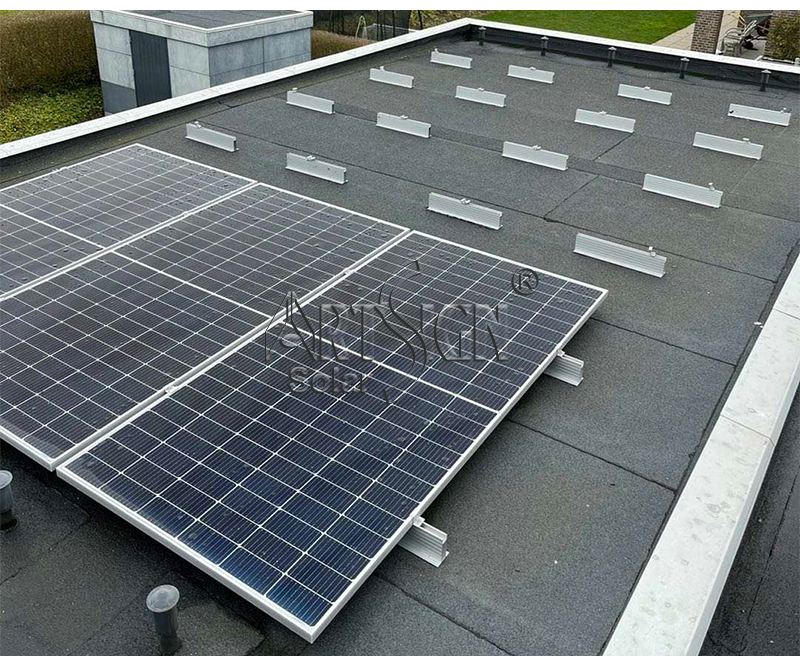
Flat roofs are often overlooked when people think about solar panel installations, but in reality, they can be one of the most versatile and effective locations for a solar array. While sloped roofs naturally offer an angle for sunlight exposure, flat roofs provide complete flexibility in panel positioning, making it possible to optimize orientation and tilt for maximum energy production.

Yes, you can mount solar panels on a flat roof, but the process requires a slightly different approach compared to pitched roof installations. Since flat roofs don’t have a natural slope, mounting systems are designed to tilt the panels at an angle—typically between 10 and 30 degrees—to capture more sunlight and allow rainwater to run off. This tilt can be fixed or adjustable, depending on the design and budget.

solar panel flat roof mounting system

There are two main types of flat roof mounting systems: ballasted systems and penetrating systems. Ballasted systems use weights, such as concrete blocks, to hold the panels in place without drilling into the roof membrane. This method avoids creating holes that could cause leaks, making it ideal for buildings where roof penetration is not allowed. Penetrating systems, on the other hand, involve securely anchoring the mounting structure to the building’s frame. They provide greater wind resistance but require careful waterproofing.

When planning a flat roof installation, wind load is a major factor. Flat roofs are often more exposed to high winds, so mounting systems must be engineered to prevent movement or uplift. Proper spacing between rows is also necessary to avoid shading one panel with another, especially in the low winter sun.

Material durability is equally important. Anodized aluminum and stainless steel are preferred for their corrosion resistance and lightweight properties. Companies like SIC Solar, which specialize in producing and selling photovoltaic mounting brackets, offer flat roof solutions that balance strength, ease of installation, and minimal roof impact. Their designs include adjustable tilt frames and integrated cable management, ensuring both performance and a clean appearance.

Another advantage of flat roof solar systems is accessibility. Maintenance, cleaning, and inspections are generally easier since technicians can walk around the panels without steep inclines. This convenience can extend the system’s lifespan by making upkeep more manageable.

With the right mounting system, careful engineering, and proper installation practices, flat roofs can be transformed into highly productive solar power stations, making efficient use of otherwise unused space.

Continue
How Are Solar Panels Mounted on a Roof?

Installing solar panels on a roof requires more than simply placing them on top of a building. A carefully designed mounting system is essential to ensure stability, efficiency, and long-term performance. The process varies depending on the type of roof, but the principles remain the same: secure the panels safely, allow for maximum sunlight exposure, and protect the structure beneath.

solar panels on roof tiles

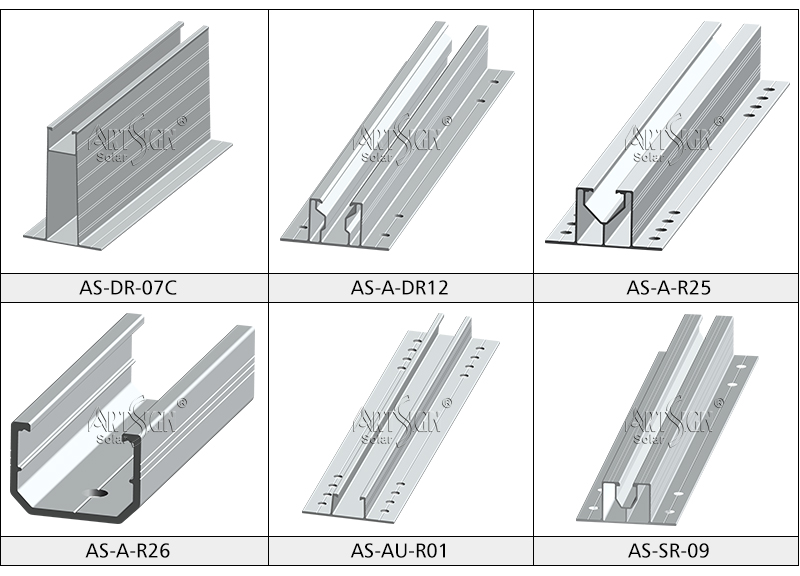
The first step is selecting the appropriate mounting system. Rooftop installations typically use either rail-based or rail-less systems. Rail-based systems involve aluminum rails fixed to the roof, with panels attached using clamps. Rail-less systems reduce material use by attaching panels directly to roof hooks or brackets, often preferred for aesthetic reasons or lighter loads. Both methods need to be engineered to withstand wind uplift and weather conditions.

On pitched tile roofs, roof hooks are commonly used. These hooks are installed under the tiles and connected to rails, creating a secure base for panels. For metal roofs, standing seam clamps or trapezoidal brackets are often employed, fastening directly to the seams without penetrating the roofing material. Flat roofs require a different approach, using ballasted systems or angled frames to tilt panels toward the sun while minimizing roof penetrations.

Weather sealing is another important part of the process. Where penetrations are required, such as with shingle roofs, installers apply flashing and sealing materials to prevent leaks. This ensures the building remains protected while the panels operate above.

Once the mounting structure is installed, solar clamps secure the panels in place. These components hold modules tightly while leaving enough ventilation space beneath them. Proper airflow helps maintain efficiency and reduces overheating risks.

Companies such as SIC Solar, a manufacturer of photovoltaic mounting brackets, provide a range of solutions designed for different roof types. Their systems are built from corrosion-resistant materials like stainless steel and aluminum, ensuring long-lasting durability even in harsh weather conditions. By using professional-grade components, installers can guarantee both the safety of the roof and the stability of the solar array.

The final stage of mounting involves aligning the panels for optimal sunlight exposure and connecting them into the system. Every detail, from angle adjustment to cable management, contributes to the overall efficiency and reliability of the installation.

Continue
How Many Roof Hooks for Solar Panels?

When installing solar panels on a tiled roof, one of the most important considerations is the number of roof hooks required to ensure the system is safe, stable, and long-lasting. Roof hooks are the components that connect the solar racking system to the roof structure, transferring the weight of the panels and racking into the building framework. Using the right number of hooks is crucial for both performance and safety, as underestimating can lead to structural stress, while overusing can drive up costs unnecessarily.

The exact number of roof hooks needed depends on several factors. First is the panel layout and system design. Each rail that supports solar panels must be fixed securely to the roof, and roof hooks are typically placed at regular intervals along these rails. The spacing of hooks often ranges between 1 to 1.5 meters, depending on roof conditions and local building standards. For example, a system with multiple rows of panels will require more hooks to distribute the load evenly across the roof.

photovoltaic solar roof hook

Another key factor is the roof type and material. Different tiles, such as clay, concrete, or slate, may influence how hooks are installed and spaced. Heavier tiles may require closer hook spacing to reduce strain, while lighter, stronger tiles may allow for slightly wider placement. The roof structure underneath, such as wooden rafters or metal beams, also affects hook positioning, since hooks must be secured into solid structural elements for maximum strength.

Local wind and snow loads play a big role as well. In areas with heavy snow or high winds, additional hooks may be required to prevent movement or uplift. National and regional standards often provide guidelines for load-bearing calculations, ensuring that the system is built to withstand environmental stresses.

On average, installers use two to four roof hooks per solar panel, though the exact figure varies with design requirements. This ensures even weight distribution while keeping the mounting system cost-effective. High-quality hooks made from stainless steel are preferred, as they resist corrosion and provide long-term durability.

Companies like SIC Solar, a manufacturer of photovoltaic mounting brackets, design roof hooks that are not only strong and reliable but also adaptable to different roof structures. Their solutions help installers achieve the right balance between safety and efficiency, ensuring panels remain secure for decades without causing unnecessary damage to the roof.

Ultimately, the number of roof hooks for solar panels is determined by a combination of engineering design, environmental factors, and roof type. By carefully calculating requirements and using durable mounting solutions, a secure and efficient rooftop solar installation can be achieved.

Continue
Home Archives